

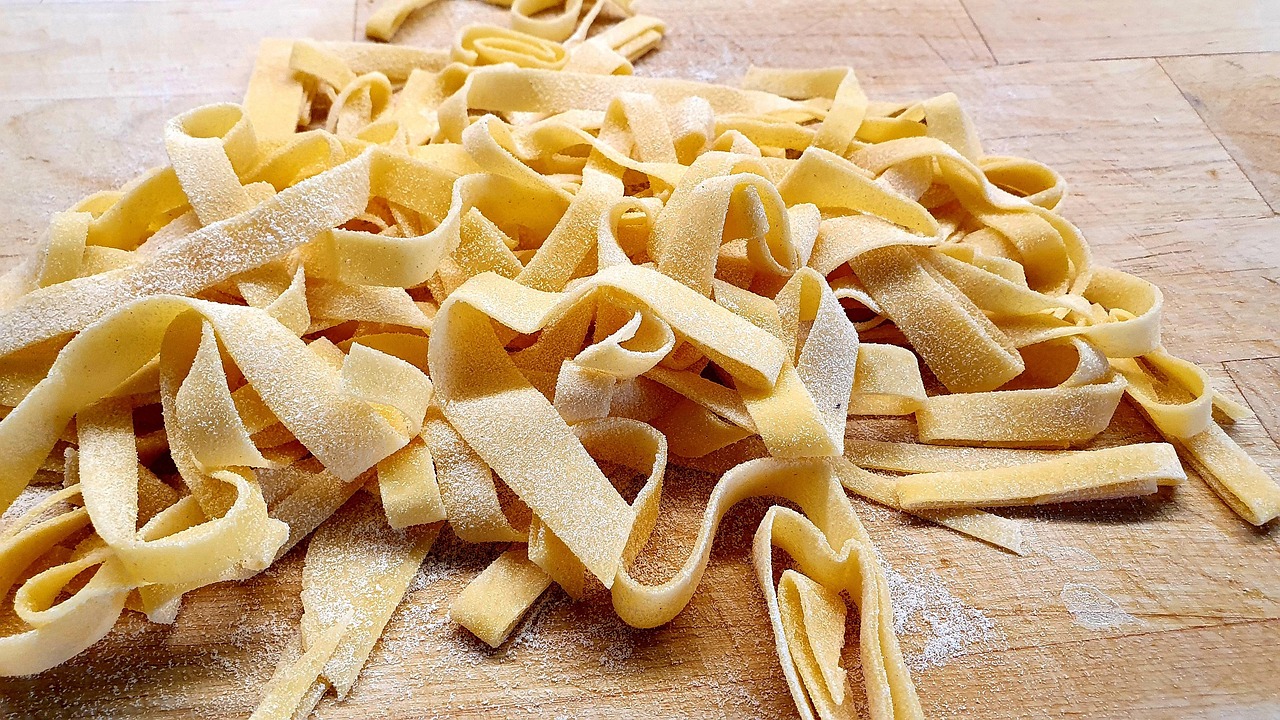

A nationwide outbreak of Listeria monocytogenes has once again raised alarms about the safety of ready-to-eat meals sold in major retail chains. According to the Centers for Disease Control and Prevention, at least 20 people in 15 states have been infected, resulting in 19 hospitalizations and 4 deaths. The outbreak has been linked to prepared dishes including Marketside chicken fettuccine alfredo sold at Walmart and Home Chef pasta meals distributed through Kroger.
This outbreak highlights two troubling realities. First, Listeria remains one of the most dangerous foodborne pathogens in circulation, capable of causing severe illness or death in vulnerable populations such as the elderly, immunocompromised individuals, and pregnant women. Second, despite decades of regulatory improvements, lapses in sanitation and quality control continue to allow contaminated products into the national food supply.
Unlike pathogens such as Salmonella or E. coli, Listeria is uniquely insidious because of its ability to thrive in cold environments. It can persist in food processing facilities, contaminating equipment and spreading across production lines, even when cleaning protocols are in place. For ready-to-eat meals like pasta dishes, where consumers may simply reheat and eat without further preparation, there is little opportunity to kill the bacteria before consumption.
The recall of implicated products is already underway, but for many families the damage has been done. The question now shifts to accountability: how did contamination occur, what safety lapses allowed it to persist, and who is responsible for the resulting illnesses and deaths?
For attorneys like Ron Simon, one of the nation’s leading food poisoning lawyers, these are familiar questions. With more than 30 years of experience in Listeria litigation, Simon has seen how outbreaks of this magnitude unfold—and how preventable they often are. His firm, Ron Simon & Associates, has represented clients in some of the deadliest listeriosis cases in recent history, holding corporations accountable and pressing for systemic reform.
In cases like this, Simon and his team focus on the science. Genetic sequencing links patient samples directly to contaminated products, providing evidence of causation. Supply chain analysis reveals where in the production process safety protocols failed. And depositions often uncover whether companies knew—or should have known—about contamination risks long before recalls were issued.
Legal action in these outbreaks serves two critical purposes. It provides justice and compensation for victims whose lives have been permanently altered. And just as importantly, it forces corporations to make changes: upgrading sanitation procedures, implementing more rigorous pathogen testing, and improving oversight of suppliers and processing facilities.
The Walmart and Kroger fettuccine outbreak will not be the last major Listeria event in the United States. But as litigation unfolds, it may once again serve as a catalyst for change. For families impacted, the path forward may include not just recovery, but also the knowledge that their cases contributed to stronger protections for all consumers.
