

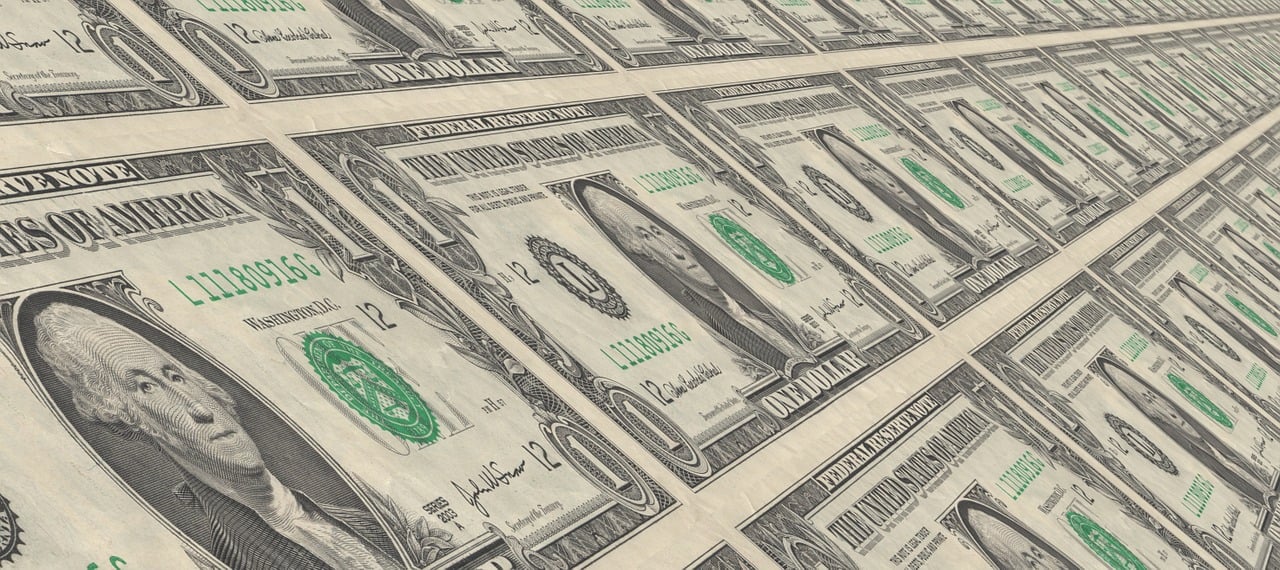

Food recalls make headlines because of their health implications, but the financial fallout is equally important. Behind every recall lies a web of costs borne by companies, consumers, healthcare systems, and even taxpayers.
For corporations, recalls can be catastrophic. Production halts, product destruction, sanitation, and investigation all carry immediate expenses. Add in lost sales, reputational damage, and legal settlements, and the numbers can soar into the millions. The 2015 Blue Bell Creameries listeria recall, for example, forced the company to shut down production and lay off over a third of its workforce. Recovery took years.
Consumers also pay. Those who purchased contaminated products lose money, and those who become ill face medical bills, lost wages, and in some cases, long-term care costs. Families who lose loved ones bear immeasurable losses that no refund or settlement can fully compensate.
Healthcare systems and taxpayers are not spared. Outbreak investigations, hospitalizations, and public health responses are costly, and much of that expense is shouldered by government-funded programs. When recalls are widespread—like the repeated recalls of romaine lettuce tied to E. coli—taxpayer-funded agencies dedicate enormous resources to tracing contamination and warning the public.
Entire industries can feel the ripple effect. After a single contaminated cantaloupe triggered a deadly outbreak, sales of melons across the country dropped. Innocent farmers and distributors who had nothing to do with the outbreak still suffered economic loss due to collapsing consumer trust.
Litigation often reallocates costs back to negligent companies, providing compensation to victims and forcing corporations to bear the consequences of their failures. While some argue lawsuits increase overall expenses, they also reinforce accountability and encourage investment in prevention.
The lesson is simple: the cost of prevention is always lower than the cost of a recall. Investing in robust safety systems is not just ethical—it is economically smart. In the end, when companies cut corners, the entire food system pays the price.
