

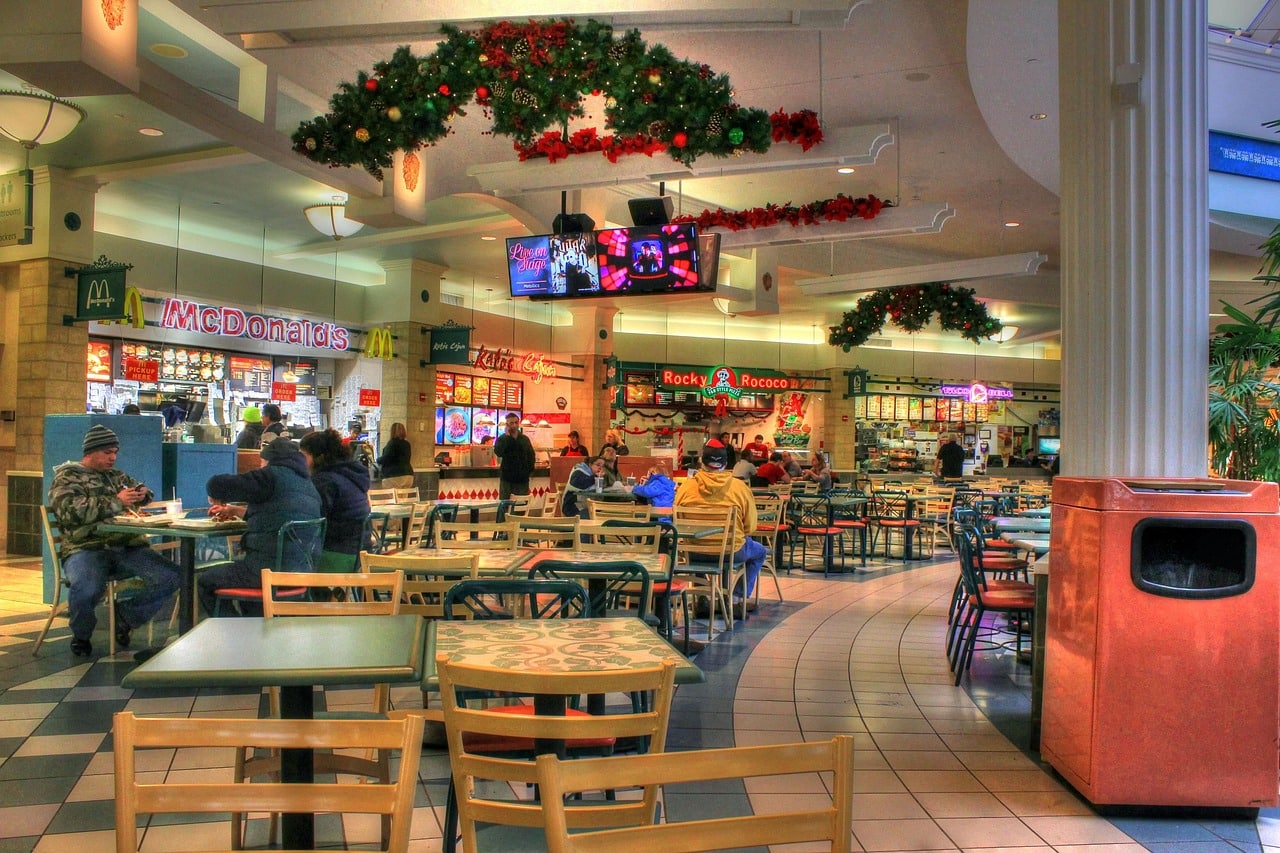

Large food courts — in malls, airports, and other mixed-use centers — are often taken for granted as safe and regulated. But recent scrutiny of inspection practices reveals that shared kitchens, dense vendor clusters, and rapid turnover create unique food-poisoning risk factors. Municipalities are increasingly worrying about how inspection regimes cover food-court vendors, and the implications for public health.
Shared Kitchen Facilities & Oversight Gaps
Unlike independent restaurants, many food-court vendors rely on centralized kitchens, shared prep areas, or limited-size vendor stalls constrained by cost. When inspectors perform food-safety oversight, they may only sample a few units or rely on vendor self-reporting. This can leave gaps — especially in smaller or transient stalls.
Inspection reports in several cities have shown repeat violations: poor refrigeration, cross-contamination between raw proteins and ready-to-eat items, and weak hand-washing enforcement. Crowded plumbing, limited workspace, and high volume of orders compound those risks. Because food courts have many vendors working in parallel, a single lapse can affect multiple stalls or multiple menu items.
Rapid Turnover & Vendor Instability
Food-court vendors often change more frequently than traditional full-service restaurants. Pop-ups, kiosks, and “ghost kitchen” style vendors are common. Each change may reduce institutional knowledge of food-safety standards, or sideline training and oversight. Poor onboarding of new staff and inconsistent sanitation routines are documented weak links in inspection follow-ups.
Inspection Data & Public Awareness
Some municipalities have recently published food-safety inspection results specific to food courts. For example, in Edmonton, public-health inspectors disclosed that several food-court vendors had multiple infractions during routine inspections — though full details and enforcement actions were not always publicly visible. (Inspection transparency is often uneven.)
For consumers, it’s not enough to rely on the perception of “mall-safe food.” Behind the glossy signs, faulty refrigeration, mis-labeled foods, and rushed prep may quietly increase food-borne illness chances.
Legal & Health Consequences
If a food-court vendor causes a documented food-poisoning outbreak (for example through improper storage of deli meats, or serving under-cooked items kept in warm display counters), victims may be eligible to pursue legal action. Food-safety attorneys often advise collecting inspection records, medical reports, and retaining packaging or order receipts as evidence. For guidance on these cases and how to assert your rights, please consult a well-reputed food poisoning lawyer.
Tips for Food-Court Safety
- Choose vendors with recent inspection scores displayed or published.
- Observe how the staff handles raw and prepared foods — do they use separate utensils, protect cooked foods from exposure, keep hot foods hot and cold foods cold?
- Within 2–4 hours of sale, leftover prepared foods should be discarded or properly stored — don’t rely on “all day” display counters without temperature checks.
- If you feel ill after eating at a food-court vendor, immediately note the vendor name, any specific dish, and the time of meal — this can assist health investigators and legal counsel.
