

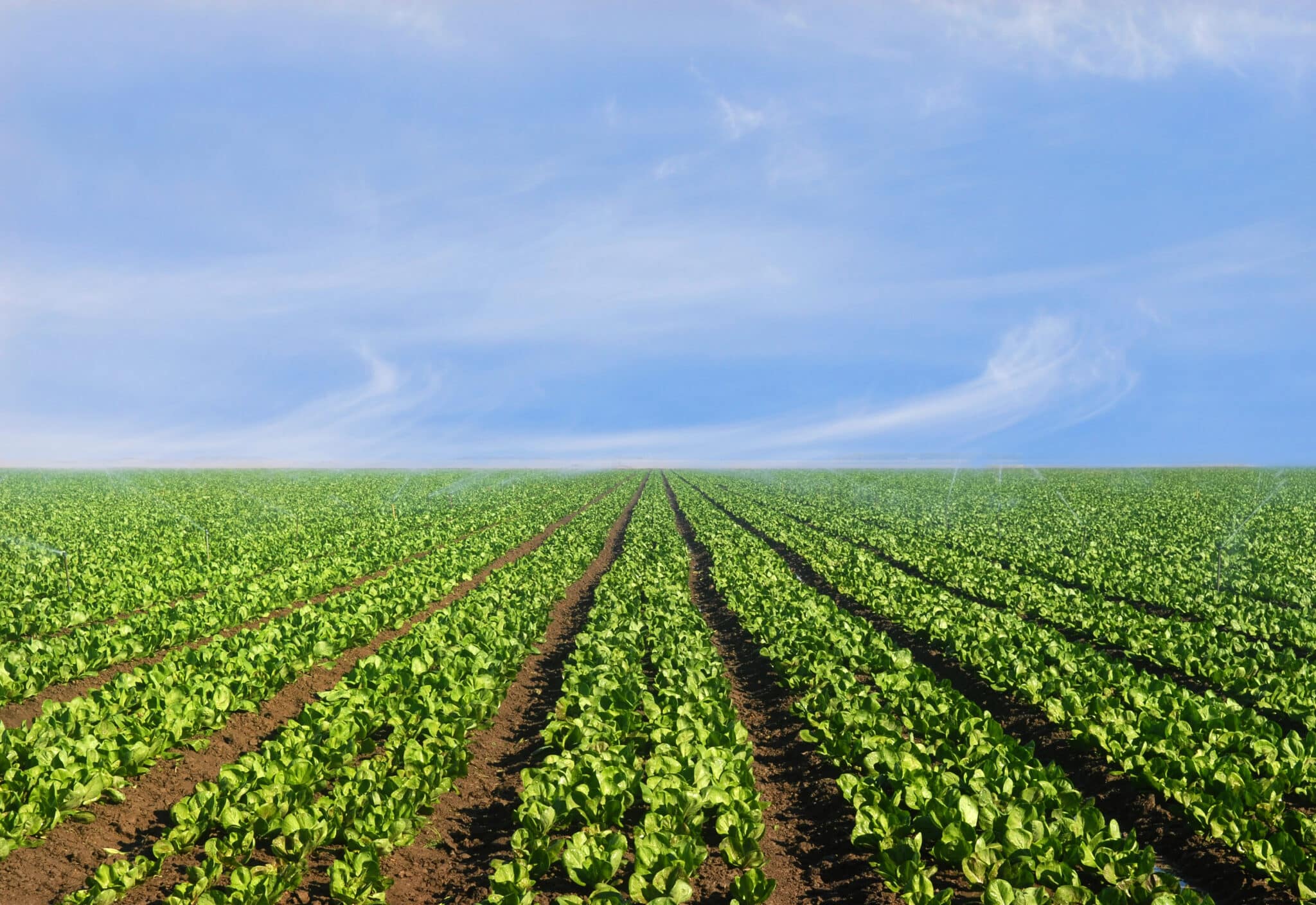

Beneath the sweeping skies of America’s farmland, a microscopic threat moves with the water, the wind, and the very soil meant to nourish us. For decades, public attention on foodborne E. coli has focused on the kitchen: undercooked hamburgers and unwashed produce. However, a growing body of scientific evidence reveals that the story of contamination begins long before food reaches a plate, in the interconnected environments where our food is grown. The journey of a dangerous bacterium from an animal reservoir to a human illness is a complex tale of ecology, weather, and modern agriculture, exposing critical vulnerabilities in our farm-to-fork food system.
This path is not a simple one. It involves cattle that carry the pathogen without harm, irrigation water that can become a highway for germs, and dust particles that carry them across fields. Understanding this environmental journey is key to preventing the outbreaks that sicken thousands annually. Scientists and regulators are now tracing these routes with unprecedented detail, finding that the safety of a salad may hinge on factors far from the processing plant, from the distance to a cattle feedlot to the timing of a migratory bird’s flight.
The Primary Reservoir: Cattle and the “Supershedder” Phenomenon
The story of Shiga toxin-producing E. coli (STEC), the group that includes the notorious O157:H7 strain, begins with healthy animals. Ruminants like cattle, sheep, and goats are the primary natural reservoirs for these bacteria. The bacteria live harmlessly in their digestive tracts, a fact central to the contamination puzzle. Because these animals do not get sick from the bacteria, there is no visible sign of which animals are carrying it.
Research shows that prevalence in cattle herds peaks during the warmer summer months and is typically higher in younger animals like post-weaned calves. Within any given herd, a critical dynamic occurs: while individual animals may carry the bacteria for only a short time, specific strains can persist in a farm environment for months or even years. This is partly due to a phenomenon known as “supershedding.” A small percentage of animals, known as “supershedders,” excrete exceptionally high numbers of the bacteria in their manure for extended periods, dramatically amplifying the pathogen load in the environment and raising the risk of spread.
The bacteria are shed in manure, which then enters the farm environment. From this point, rainfall and irrigation practices become major determinants of where the pathogens travel. A 2025 research review of leafy green outbreaks concluded that the primary environmental reservoir for STEC is ruminant animal feces, and contamination occurs through the overlap of these animals with crop land, either directly or through an environmental intermediary like water or dust.
Pathways to the Plate: Water, Wind, and Wildlife
Once introduced into the environment, E. coli can contaminate fresh produce through several interconnected routes. The scientific community and outbreak investigators have identified three major pathways.
Contaminated Water: This is perhaps the most significant and documented route. Water used for irrigation, spraying pesticides, or applying fertilizers can act as a direct conduit for bacteria onto crops. If the water source, such as a canal, pond, or river, is contaminated with runoff from cattle operations, the pathogen is spread across fields with every watering. A landmark 2018 outbreak of E. coli O157:H7 linked to romaine lettuce was traced to sediment in an agricultural reservoir in California. Studies show that cattle density near waterways has the largest influence on E. coli concentrations in the water. Alarmingly, research indicates that contamination can occur even without direct runoff; dust or sub-surface water flow from a feedlot can pollute irrigation canals.
Wind and Dust: Newer research highlights air as a surprising transmission vector. Dust storms or strong winds can lift dried particles of contaminated soil or manure and deposit them onto nearby or even distant crop fields. Preliminary findings from the U.S. Food & Drug Administration (FDA) studies in the Southwest have recovered viable pathogens from air samples, confirming that bacteria can survive in the air and that dust can transfer them from adjacent lands to crops. One investigation found a higher likelihood of finding E. coli in samples taken close to beef cattle feedlots.
Wildlife and Improper Amendments: Birds, deer, and other wildlife that come into contact with cattle manure can become transient carriers, depositing contaminated feces directly onto crops as they move. Additionally, the use of raw or improperly composted manure as a soil fertilizer is a well-known risk. If manure is not treated to kill pathogens before being applied to fields, or if it is applied too close to harvest time, it can directly introduce E. coli to the root zone or edible parts of plants.
The table below summarizes these primary environmental pathways from reservoir to crop:
| Contamination Pathway | How it Happens | Key Challenge for Growers |
| Irrigation Water | Runoff from cattle operations contaminates surface water used for watering crops. | Testing and treating large volumes of surface water is difficult and costly. |
| Wind & Dust | Airborne particles from nearby feedlots or dry manure settle on plants. | Contamination can come from sources outside a grower’s direct control. |
| Animal Intrusion | Wild animals (birds, deer) or livestock deposit feces directly in fields. | Requires physical barriers and constant monitoring of large, open areas. |
| Soil Amendments | Use of raw, untreated manure as fertilizer. | Requires strict composting protocols and long waiting periods between application and harvest. |
The Scale and Complexity of the Challenge
Protecting crops within this complex environmental web is a daunting task. As the FDA notes, most fresh produce is grown in an outdoor environment open to soil, air, water, and windborne contaminants. Unlike packaged goods, leafy greens and many vegetables are consumed raw, without a “kill step” like cooking that would eliminate pathogens. Washing can reduce some risk but is not foolproof, as bacteria can lodge deep in the crevices of leaves or stem connections.
The scale of production adds to the difficulty. Major growing regions for commodities like romaine lettuce supply the entire nation. A single contamination event on a few fields in Arizona or California can lead to a nationwide outbreak, as has happened repeatedly. Traceability, the ability to track a bag of salad back to a specific field and harvest day, has historically been a major hurdle. Investigations are often slowed as officials scramble to identify the source, during which time more contaminated products may reach stores.
Furthermore, the agricultural landscape itself is interconnected. Many crop fields are located near animal feeding operations because they often share the same regions for water and fertile land. The 2025 study analyzing leafy green outbreaks from 2009 to 2021 found that for investigations with a single implicated farm, the presence of nearby animal industry like concentrated animal feeding operations (CAFOs) or grazing cattle was a common factor. One cited investigation had a CAFO located just a quarter-mile from the affected fields. This proximity creates a persistent, low-level risk that can explode into an outbreak when environmental conditions, like heavy rains causing runoff or high winds stirring dust, are right.
New Science and Evolving Responses
In response to persistent outbreaks, our understanding and strategies are evolving. A significant shift has been the move from merely investigating outbreaks to proactively trying to understand the environmental ecology of pathogens. The FDA, along with academic and state partners, has initiated multi-year studies in key growing regions like Yuma, Arizona, to learn how pathogens survive and move in the environment.
On-farm investigation techniques have also become more sophisticated. Historically, investigators primarily tested the finished product. Now, they conduct extensive environmental sampling, testing irrigation water, soil, sediment from canal beds, air samples, and animal feces from adjacent lands. This approach has been pivotal. In several outbreaks, investigators found the exact outbreak strain not on the lettuce itself, but in sediment from the irrigation water reservoir used to grow it.
This science is driving new prevention guidelines. Recommendations now stress the importance of assessing and managing risks from all agricultural water, not just the direct source. They advise implementing physical barriers to keep wildlife and livestock out of fields, requiring long intervals between manure application and harvest, and ensuring manure is properly composted to generate pathogen-killing heat. Some growers are transitioning from overhead sprinklers, which can splash contaminants onto leaves, to drip irrigation or soaker hoses that deliver water directly to the soil.
Perhaps the most significant regulatory advance is the increased focus on traceability. New rules aim to make it faster to trace contaminated food back to its source. Improved traceability allows for more targeted recalls, sparing unaffected farms from devastating financial loss and getting dangerous products off shelves more quickly. As one research review concluded, this, combined with continued grower education and the adoption of science-based best practices, is critical to improving the safety of fresh produce.
Analysis & Next Steps
The investigation into E. coli’s environmental journey reveals a fundamental shift in food safety thinking. What is new is the recognition that produce safety is an ecological and geographical challenge, not just a processing and hygiene one. We now understand that a pathogen’s path from cattle to lettuce involves factors as varied as cattle density, irrigation methods, wind patterns, and wildlife migration. This matters because it moves the front line of prevention from the factory floor back to the farm field and the surrounding watershed. It underscores that the safety of our fresh food supply is inextricably linked to how we manage the entire agricultural landscape.
The populations affected by failures in this system are everyone who consumes fresh produce, but the burden is heaviest on the most vulnerable. Children and the elderly are at greatest risk of developing severe, life-threatening complications like hemolytic uremic syndrome (HUS) from STEC infections. The economic impact is also widespread, devastating individual growers and shaking consumer confidence in entire commodity sectors, as seen with repeated romaine lettuce outbreaks.
Moving forward requires action on multiple fronts. For growers and the industry, the necessary response is the widespread adoption of stringent, science-based preventive measures. This includes mandatory testing and treatment of agricultural water, strict controls on manure use, and investment in buffer zones or physical barriers where fields neighbor animal operations. For regulators, the priority must be to support and enforce robust traceability systems and to fund the long-term environmental research needed to understand and mitigate risks. Finally, for consumers, awareness is key. While thorough washing of produce is always recommended, it is not a complete guarantee. The ultimate power consumers hold is in supporting policies and companies that invest in true preventive farm safety, recognizing that the cost of safe food includes protecting the environment it grows in. The goal is a resilient system where the journey from farm to fork is not a race against contamination, but a safeguarded pathway.
