


State Fair Was Source of Arizona E. coli Outbreak
In late 2025, families across Arizona were shaken by a state-level Escherichia coli outbreak linked to one of the most beloved fall traditions: the Arizona State Fair. By November, health officials were investigating dozens of E. coli infections, many involving children who had visited the fair’s petting zoo and animal exhibits. The outbreak not only sickened attendees, it highlighted critical gaps in fair safety protocols, public awareness, and infection prevention at large public events.
What Happened: An Outbreak Linked to the Arizona State Fair
The Arizona State Fair, held from September 19 to October 26, 2025, in Phoenix’s Maricopa County, drew tens of thousands of visitors. Like many state fairs, it included animal exhibits and a petting zoo, where children and adults alike can interact with livestock and other animals.
In late October and early November, local emergency departments began reporting a spike in children with symptoms consistent with E. coli infection, including bloody diarrhea, severe stomach cramps, vomiting, and fever. Many of the affected children had visited the fair shortly before becoming ill.
Public health officials, including the Maricopa County Department of Public Health (MCDPH), launched an outbreak investigation. They identified 18 confirmed or probable cases of a Shiga toxin-producing E. coli (STEC) infection, with 16 of those cases occurring in children. Of those, 13 reported attending the Arizona State Fair and most reported exposure to animal exhibits such as petting zoos, a known risk factor for STEC infection.
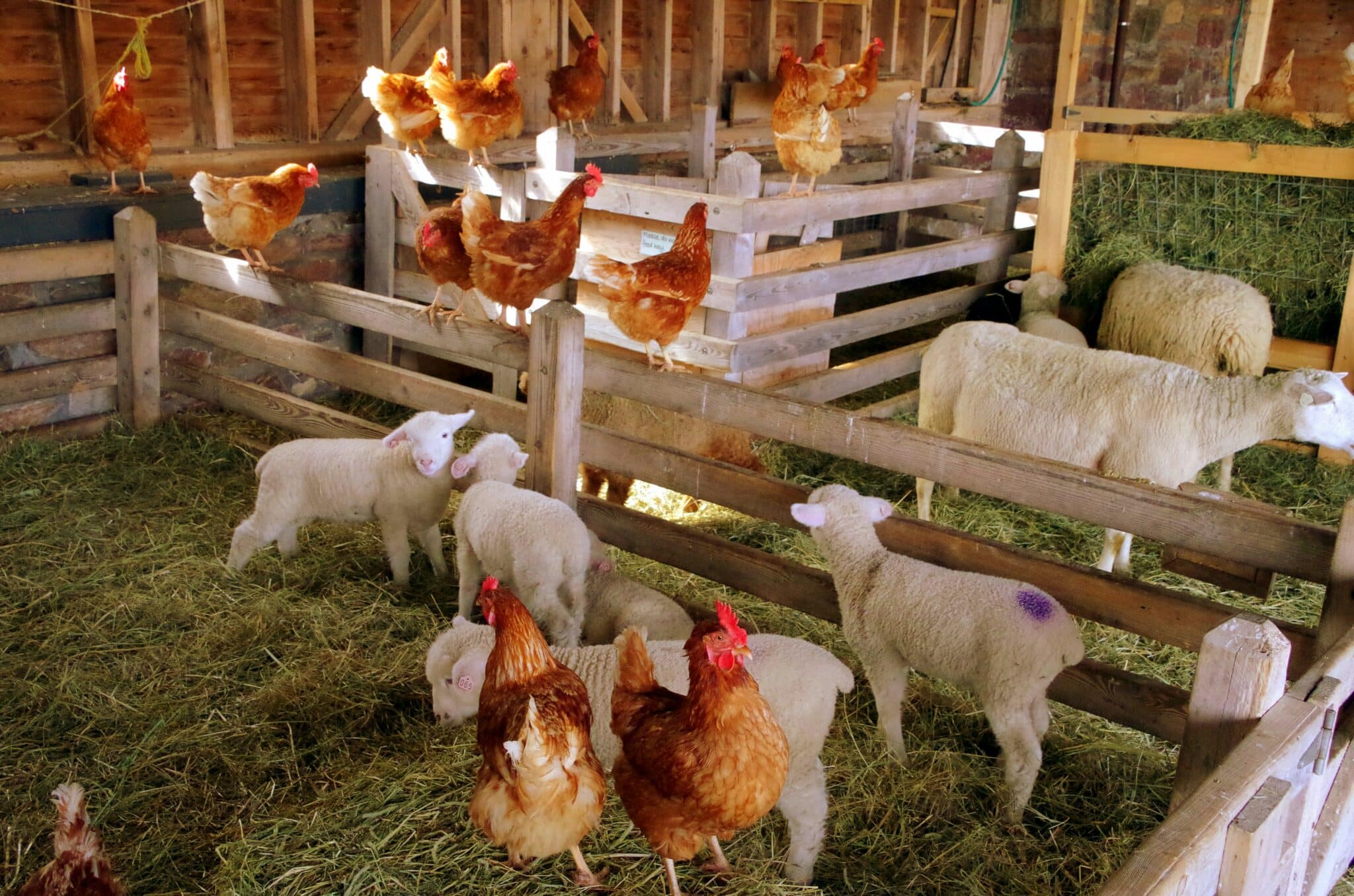
The investigation found that the outbreak strain, bacteria producing a dangerous toxin, likely originated from ruminant animals (cows, goats, and sheep) in these exhibits. These animals can carry STEC bacteria in their intestines without becoming sick themselves, shedding the pathogen in feces that contaminates hides, hair, and the surrounding environment. Visitors touching animals, fence rails, and hay bales can easily transfer the bacteria to their hands, and ingestion occurs when hands touch food or mouths before proper washing.
Officials ultimately closed the investigation after more than two incubation periods of STEC (usually 1–10 days), without new cases being identified.
What Is E. coli and Why Petting Zoos Are a Risky Setting
Escherichia coli is a common bacterium in the gut of humans and animals. Most E. coli strains are harmless, but Shiga toxin-producing E. coli (STEC), particularly E. coli O157:H7 and related serotypes, can cause severe illness. Infections often begin with gastrointestinal symptoms that can escalate to hemolytic uremic syndrome (HUS), a life-threatening complication characterized by kidney failure, particularly in young children.
Animal contact settings such as fairs, petting zoos, and agricultural exhibits present known transmission risks. Ruminant animals often carry STEC bacteria asymptomatically and shed them in feces. Because these animals don’t exhibit illness, visitors are not always aware of the hazard, and bacteria can be present on the animals’ hides, pens, or surrounding bedding and surfaces.
According to public health experts, even a very small number of STEC bacteria, as few as 10 organisms, can be enough to cause serious disease in susceptible individuals.
Handwashing remains the most effective personal prevention measure. However, reports and testimony from observers indicate that handwashing stations were reportedly absent or inadequate at the State Fair’s animal areas, leaving visitors with limited opportunities to clean their hands after contact with animals. Proposed legislation in the Arizona State Senate now seeks to mandate handwashing stations, warning signage, and monitoring at all animal exhibits statewide.
Human Impact: Stories Behind the Numbers
The consequences of this outbreak were more than abstract case counts. Children became seriously ill; some required hospitalization.
One of the most severe consequences of E. coli can lead to the sudden onset of symptoms within days after fair visits, including bloody diarrhea, abdominal cramps, and vomiting, hallmark signs of STEC infection. Early and aggressive symptoms also triggered concerns about HUS, a dangerous complication, especially in children.
Public health alerts emphasized that anyone experiencing characteristic symptoms after fair attendance should seek medical evaluation promptly, particularly because early supportive care can mitigate complications. Tests at hospital labs confirmed infection with a Shiga toxin–producing strain in many of the children affected.
Why The Outbreak Occurred: Identifying Key Causes
Several factors converged to fuel this outbreak:
1. Animal Contact Without Adequate Controls
Petting zoos and animal exhibits are inherently risky because animals carry bacteria that are normal to them but dangerous to humans. Without strict hygiene controls, including designated handwashing stations, staff supervision, and physical barriers, bacteria easily transfer from animals to humans.
2. Inadequate Handwashing Opportunities
Reports suggest that handwashing stations were absent or insufficient in key areas where attendees interacted with animals. Handwashing with soap and water, not just hand sanitizer, is critical because it physically removes bacteria, while hand sanitizers are less effective against STEC.
3. Lack of Public Health Warnings and Infrastructure
Warning signs and visible hand hygiene infrastructure help set expectations and prompt safer behavior. Reports indicate that signage and education about risks were limited or absent, a gap now targeted by new legislative proposals.
4. Vulnerable Population, Children
Children are a disproportionate share of STEC cases in petting zoo outbreaks because they are more likely to touch animals and then put unwashed hands in their mouths. Their developing immune systems and smaller body size make them particularly susceptible to severe disease and complications like HUS.
Prevention: Lessons From the Fair
Public health experts highlight that outbreaks associated with animal contact at fairs are preventable when proper precautions are in place:
Handwashing Stations
Installing conveniently located handwashing facilities, with soap and warm water, at all animal exhibits significantly reduces transmission. Supervising children to ensure they use these stations before eating or leaving the area is crucial.
Warning Signage
Clear signage reminding visitors of the risks and urging hand hygiene helps reinforce safe behavior before, during, and after animal contact.
Staff Training and Monitoring
Trained staff at petting zoos and exhibit exits can remind visitors about handwashing, help enforce hygiene rules, and ensure compliance with health guidance.
Separate Eating Areas
Food vendors and animal contact zones should be physically separated. Eating or drinking near animals increases the risk that bacteria on hands or surfaces will enter the mouth.
Broader Context: E. coli Outbreaks and Public Health
Outbreaks linked to animal exhibits are part of a long pattern of STEC transmission settings. Petting zoos, agricultural fairs, and similar interactive attractions have been associated with outbreaks in multiple states over the years, often prompting review of safety measures and policy changes.
Public health agencies like the CDC and state health departments routinely track these incidents and issue guidance on animal contact safety. Health officials emphasize that E. coli bacteria can survive on surfaces and hands, and that simple practices, especially handwashing, have powerful protective effects.
Analysis & Next Steps
What’s New: The Arizona outbreak confirms that E. coli transmission continues to occur in settings with close animal contact. Unlike food-borne sources such as contaminated produce or undercooked meat, these animal exhibits present a direct non-food route of exposure that public health authorities track carefully. Reports indicate that the lack of adequate handwashing infrastructure may have contributed to the spread at this fair, a preventable factor now drawing legislative attention.
Why It Matters: The outbreak sickened children with serious symptoms and raised public awareness that E. coli risk isn’t confined to food. Direct contact with animals at events like state fairs, especially for children, can lead to infections that require hospitalization and may result in lifelong health issues. Ensuring that controls are in place protects vulnerable populations and prevents repeat outbreaks.
Who’s Affected: Children, fair attendees, families, event organizers, animal exhibit operators, and public health professionals are all stakeholders. Local hospitals and clinics also experience increased demand during outbreaks. Lawmakers and community members face decisions about public safety investments.
What To Do Now:
- Implement and enforce handwashing infrastructure at all animal contact points in fairs and petting zoos.
- Mandate education and signage about STEC risks for visitors, especially families with young children.
- Separate food and eating areas from animal contact zones to prevent cross-contamination.
- Empower staff to monitor and promote hygiene behaviors.
This outbreak reminds us that public health safety at mass gatherings, especially those involving animals, requires thoughtful planning, infrastructure, and community cooperation. With the right precautions, fairs can remain enjoyable and safe for everyone.
