

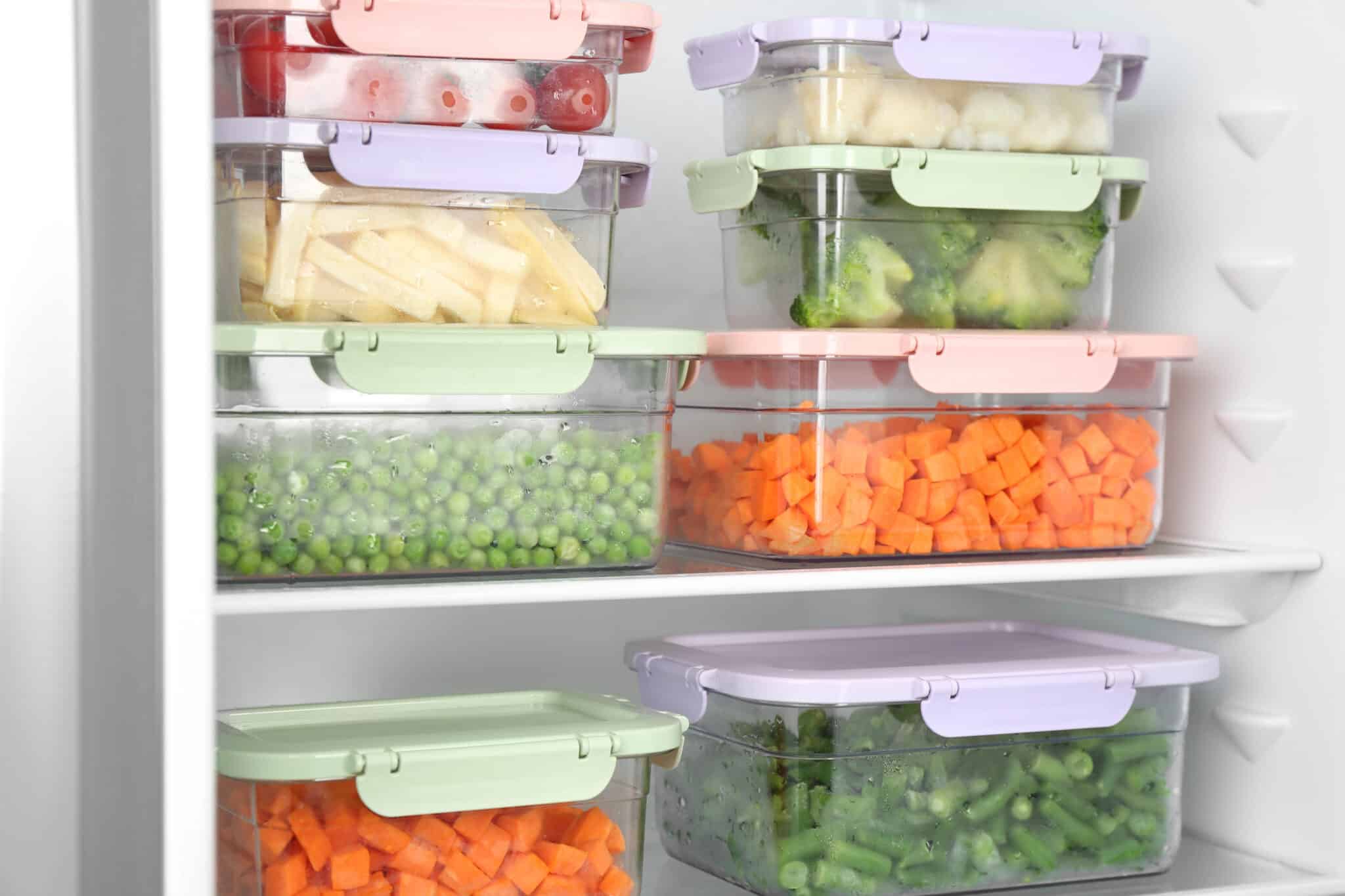

Food preservation is one of humanity’s foundational technologies, enabling food storage across seasons and trade across distances while serving two essential purposes: preventing spoilage from microorganisms and enzymes, and protecting against contamination by pathogens that cause foodborne illness. Food begins deteriorating immediately after harvest or slaughter through enzymatic activity, microbial growth, and chemical changes. Fresh-cut produce, for example, exhibits dramatically accelerated respiration, moisture loss, and enzymatic browning that reduce quality and create conditions favorable for pathogen proliferation.
Thermal processing remains the most widely used preservation method. Canning applies sufficient heat to destroy pathogenic microorganisms, with Clostridium botulinum spores serving as the critical target for low-acid foods. The pH threshold of 4.6 determines whether boiling water canning or pressure canning is required. Freezing preserves by converting water to ice, halting microbial growth but not killing microorganisms, which resume activity upon thawing. Quick freezing produces smaller ice crystals that better preserve food texture.
Chemical and biological preservation methods include traditional additives like salt and vinegar, as well as modern approaches using bacteriocins and bacteriophages. The hurdle concept combines multiple preservation factors that microorganisms must overcome simultaneously, creating synergistic effects. Emerging technologies including high-pressure processing, pulsed electric fields, and modified atmosphere packaging offer alternatives to traditional thermal processing while maintaining food quality.
These preservation methods address global challenges of food waste, approximately one-third of agricultural production is lost, with one-quarter due to microbiological spoilage, and foodborne illness, which causes 600 million cases and 420,000 deaths annually. Understanding preservation science enables food producers, regulators, and consumers to make informed decisions about food handling and storage.
Food preservation represents one of humanity’s oldest and most essential technological achievements. Before the development of modern preservation methods, human populations were constrained by seasonal availability of food and geographic limitations on trade. The ability to store food safely for extended periods fundamentally altered human settlement patterns, enabled long-distance exploration, and created the foundation for modern urban civilization. Today, food preservation serves two primary purposes: preventing spoilage caused by microorganisms and enzymes, and protecting against contamination by pathogens that cause foodborne illness. Understanding the scientific principles underlying these methods is essential for both food industry professionals and home food preservers.
The Challenge of Food Deterioration
Food begins to deteriorate from the moment it is harvested or slaughtered. This deterioration occurs through multiple mechanisms operating simultaneously. Enzymatic reactions, naturally present in all plant and animal tissues, continue to break down cellular structures after harvest. Microbial growth, from bacteria, yeasts, and molds present on food surfaces and in the environment, multiplies rapidly under favorable conditions. Chemical changes, such as oxidation of fats leading to rancidity, alter flavor and nutritional value. Physical changes, including moisture loss and texture degradation, reduce palatability.
Fresh-cut fruits and vegetables illustrate these deterioration processes particularly clearly. When plant tissues are damaged through peeling, slicing, or chopping, mechanical injury triggers a cascade of physiological responses. Respiration rate increases dramatically, cutting yams elevates respiration from 60 to 210 milligrams of carbon dioxide per kilogram per hour (Food Chemistry, June 2025), while shredded cabbage shows respiration increases from 23 to 194 milligrams of carbon dioxide per kilogram per hour depending on the fineness of cutting (LWT, March 2025). This elevated respiration consumes sugars and starches, depleting energy reserves and accelerating senescence. Transpiration increases as protective cuticles are breached, leading to moisture loss of 4 to 6 percent, which causes wilting and shrinkage. Cut surfaces undergo enzymatic browning as polyphenol oxidase and peroxidase catalyze phenolic compounds into quinones that polymerize into brown melanin pigments. These physiological changes not only reduce quality but also create conditions favorable for microbial proliferation.
Thermal Preservation: Canning and Heat Processing
Heating remains the most widely used and efficient food preservation method. The primary objective of thermal processing is to destroy pathogenic and spoilage microorganisms while inactivating enzymes that would otherwise degrade food quality during storage. Different levels of heat treatment achieve different preservation goals. Ordinary cooking eliminates many spoilage organisms and pathogens but does not produce shelf-stable products, requiring additional preservation methods such as refrigeration. Canning, by contrast, applies sufficient heat to destroy virtually all microorganisms capable of growing in the food under normal storage conditions.
The critical target in canning low-acid foods is Clostridium botulinum, a bacterium that forms heat-resistant spores and produces a potent neurotoxin. These spores are ubiquitous in soil and routinely contaminate agricultural products. Research-based canning recipes are developed through laboratory testing that standardizes multiple variables: ingredient measurements, jar size, pH measurement, processing time and temperature, pressure, water activity, heat penetration rates, food piece size, raw versus hot pack methods, altitude adjustments, and headspace. These factors interact to determine the final temperature achieved inside the jar and the duration required to kill bacterial spores.
The critical distinction in canning science is between high-acid and low-acid foods. Foods with pH below 4.6, including most fruits, pickled vegetables, and tomatoes with added acid, can be safely processed in boiling water canners at 212 degrees Fahrenheit (PennState Extension, September 2024). This temperature destroys molds, yeasts, and most bacteria, while the acidic environment prevents germination of surviving spores. Low-acid foods with pH above 4.6, including vegetables, meats, poultry, and combination products, must reach 240 degrees Fahrenheit to destroy C. botulinum spores (PennState Extension, September 2024). This temperature can only be achieved under pressure, requiring pressure canner processing.
Freezing: Halting Microbial Activity
Freezing preserves food by converting most water into ice, which dramatically reduces water activity and halts microbial growth. Unlike canning, freezing does not sterilize food. Pathogenic and spoilage microorganisms are preserved in a dormant state and can resume activity upon thawing. Frozen foods have an excellent overall safety record, but the process does not reliably eliminate all human pathogens.
The physics of freezing involves phase transition during which water separates as ice crystals and the remaining non-frozen portion becomes increasingly concentrated with solutes. This “freeze concentration” effect depresses the freezing point progressively, orange juice at 12 percent sugar freezes at approximately minus 1.5 degrees Celsius, while concentrate at 48 percent sugar freezes at minus 9.2 degrees Celsius. The rate of freezing significantly affects food quality. Quick freezing produces smaller ice crystals that cause less damage to cellular structures, while slow freezing allows large ice crystals with sharp edges to form, rupturing cell walls and degrading texture.
Freezing kills some microorganisms through physical and chemical effects, including ice crystal damage to cell membranes and osmotic stress from concentrated solutes. However, many pathogens survive freezing and may be sublethally injured rather than killed. These injured cells can resuscitate under appropriate conditions and become infectious. Research continues into understanding how different food matrices interact with microbial cells during freezing and how to prevent resuscitation of injured pathogens.
Chemical and Biological Preservation
Chemical preservation methods use either natural or synthetic compounds that inhibit microbial growth or delay oxidative deterioration. Traditional chemical preservatives include salt, sugar, vinegar, and various curing compounds. Modern food systems incorporate both synthetic additives and natural preservatives derived from plant sources. Consumer concern about synthetic additives has driven research into natural alternatives including essential oils, organic acids, and plant extracts.
Biopreservation has emerged as a promising approach that uses naturally occurring microorganisms and their antimicrobial products. This strategy leverages bacteriocins, proteinaceous compounds produced by bacteria that inhibit other bacteria, as well as bacteriophages (viruses that infect bacteria) and protective cultures that outcompete pathogens. Bacteriophages offer particular promise because they are naturally occurring, highly specific to target bacteria, and do not affect beneficial microorganisms or human cells. Research continues into optimizing these biological control methods for commercial application (International Journal of Food Microbiology, January 2004).
Emerging Technologies and Hurdle Approaches
Contemporary food science recognizes that no single preservation method optimally addresses all quality and safety concerns. The hurdle concept combines multiple preservation factors that microorganisms must overcome simultaneously, creating additive or synergistic effects. Typical hurdles include temperature control, reduced water activity, acidity, preservatives, competitive microorganisms, and modified atmospheres.
Emerging physical technologies include high-pressure processing, which inactivates vegetative pathogens without heat, preserving fresh-like qualities. Pulsed electric fields apply short electrical pulses to disrupt cell membranes. Ultraviolet and irradiation technologies provide non-thermal pathogen reduction. Ohmic heating uses electrical resistance to generate internal heat rapidly and uniformly. These technologies offer potential for reducing processing time, conserving energy, and enhancing food safety, though industrial adoption requires addressing equipment costs and regulatory approval.
Innovations in packaging complement these preservation methods (Food Chemistry Advances, December 2024). Modified atmosphere packaging replaces air with gas mixtures that slow microbial growth and oxidative reactions. Edible coatings incorporating antimicrobial compounds provide additional protection. Smart packaging incorporating sensors can monitor temperature history or detect spoilage indicators. Nanotechnology applications are being explored for antimicrobial packaging and enhanced barrier properties.
Analysis and Next Steps
What is new in food preservation science is the convergence of traditional methods with sophisticated technological innovations. The same fundamental principles that guided ancient preservation, reducing water activity, applying heat, creating acidic environments, remain valid, but our understanding of their mechanisms at molecular levels has deepened enormously. Advanced sequencing technologies now allow researchers to track specific pathogen strains through food systems. Computational modeling enables prediction of pathogen behavior under multiple interacting hurdles. Biotechnology provides new tools including bacteriophages and protective cultures that work with rather than against natural systems.
This matters because global food demand is projected to increase 60 percent by 2050, with meat production needing to increase nearly 70 percent and aquaculture by 90 percent(“Methods of Controlling Microbial Contamination of Food,” MDPI, May 2025). Meeting this demand while reducing food waste, currently one-third of agricultural production is lost, with 25 percent due to microbiological spoilage, requires continuous improvement in preservation methods. Foodborne illness remains a significant global burden, with approximately 600 million cases and 420,000 deaths annually, representing direct medical costs and productivity losses exceeding 110 billion dollars (World Health Organization, October 2024).
The populations affected by preservation failures extend across the entire food system. Consumers face health risks when preservation fails and economic costs when food spoils. Food producers bear liability for safety failures and losses from spoilage. Regulatory agencies must balance safety requirements against innovation. Developing countries face particular challenges in maintaining cold chains and implementing advanced preservation technologies.
What to do now requires action at multiple levels. For home food preservers, the most important step is using only research-tested recipes from university extension services or the National Center for Home Food Preservation. Family recipes can be adapted by finding similar tested recipes and adding non-preserved ingredients only at serving time. For the food industry, investment in emerging preservation technologies and hurdle approaches offers opportunities to reduce processing time, conserve energy, and enhance safety while meeting consumer demand for minimally processed products. For researchers, continuing investigation into pathogen behavior during freezing, mechanisms of sublethal injury and resuscitation, and optimization of biological control agents will provide foundations for next-generation preservation methods. The science of food preservation, ancient in origin but rapidly evolving, remains essential to global food security and public health.
