

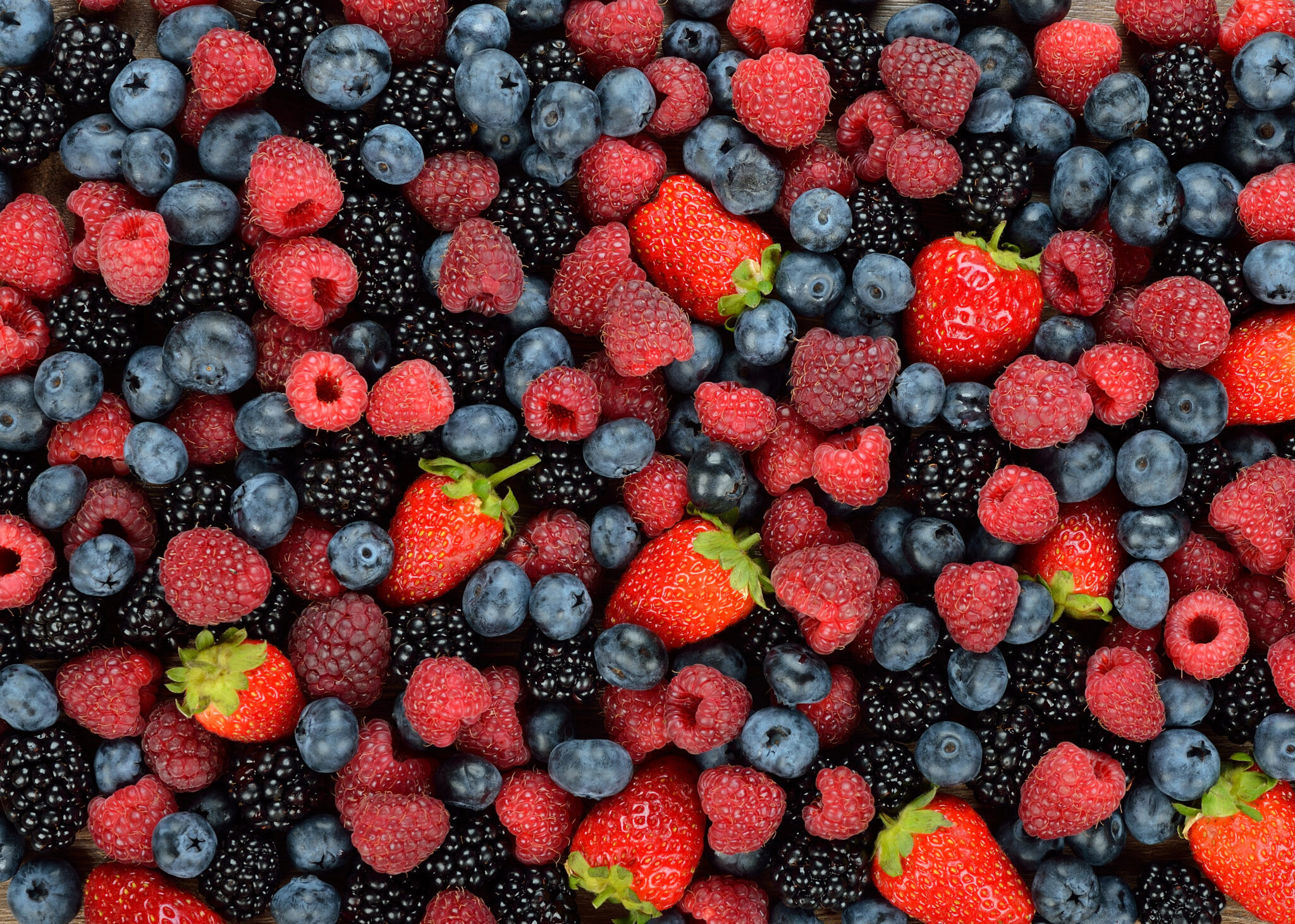

A bag of frozen strawberries sits in a home freezer, destined for a breakfast smoothie. Organic. Convenient. Safe. Or are they? Between 2022 and 2025, a transformation occurred in the world of foodborne illness surveillance. Hepatitis A incidents linked to frozen berries surged by a factor of 39 (SGS Digicomply, November 2025) with incident mentions rising from a baseline of sporadic reports before 2022 to levels more than 30 times higher through 2024 and into 2025. What was once a footnote in outbreak logs has become one of the most persistent and perplexing food safety challenges facing regulators, industry, and consumers.
Unlike bacterial contaminants such as Salmonella or E. coli, which can be detected through routine culturing, hepatitis A virus (HAV) does not grow on food. It merely survives. And it survives freezing exceptionally well, which is precisely what makes frozen berries so problematic. Fresh strawberries picked by an infected worker can be processed into frozen products within hours, entering complex supply chains where they are repackaged under multiple brand names and stored in freezers for months before reaching consumers. By the time someone falls ill, tracing the contamination back to its source becomes extraordinarily difficult. Yet the consequences are severe: hepatitis A is an inflammatory liver disease that, while usually mild in children, can cause hospitalization, liver failure, and death in older adults and those with underlying liver conditions (Cleveland Clinic, March 2026).
This article examines the global resurgence of hepatitis A linked to imported frozen berries, the supply chain vulnerabilities that enable contamination, the detection challenges that hamper prevention, and the regulatory responses taking shape from the FDA to the European Union and beyond.
The 2022-2023 Catalyst: One Farm, Two Outbreaks
The explosive growth in incident mentions correlates directly with real-world outbreaks. In 2022 and 2023, federal investigators in the United States and Canada traced 39 hepatitis A cases back to a grower in Baja California, Mexico (Journal of Food Protection, May 2025). The same farm supplied both fresh strawberries for the 2022 outbreak and frozen strawberries for the 2023 outbreak, and genetic testing confirmed that the virus strain, HAV genotype IA, was identical across both events. Of the 39 reported cases across the U.S. and Canada, 21 resulted in hospitalizations.
A farm inspection in Mexico conducted in 2023 revealed critical gaps in agricultural practices. Investigators observed inadequate handwashing facilities, insufficient worker training on hygiene protocols, and potential contamination in irrigation water. While the FDA did not detect the virus itself in the limited berry samples collected, testing found indicator organisms associated with human fecal contamination in environmental water samples. These findings suggested that fecal contamination had reached the growing environment, even if the virus itself could not be isolated from the tested berries.
What made this outbreak particularly damaging was the commingling effect. Fresh strawberries from the contaminated harvest were sold to multiple importers. Some went directly to retail as fresh fruit. Others were processed into frozen products and distributed under numerous brand names to major retailers. The 2023 outbreak linked to frozen organic strawberries resulted in recalls at major retailers including Costco, Aldi, KeHE, Vital Choice Seafood, and PCC Community Markets (U.S. Food & Drug Administration, March 2023). The commingling of strawberries within frozen market supply chains meant that contamination from a single harvest could affect products sold under dozens of brand names across multiple countries.
The investigation highlighted persistent challenges. Limited recall of food exposures by patients, exposures associated with multiple purchase dates spanning months, and the inherent complexity of communicating these outbreaks to the public all hampered the response. The cases occurred over an extended period, and the long incubation period of hepatitis A, typically 15 to 50 days, with an average of 28 days, further complicated traceback efforts.
The Dutch Outbreak: A European Echo
The problem is not confined to North America. Between late 2024 and early 2025, a new hepatitis A outbreak emerged in the Netherlands linked to frozen blueberries sold by Albert Heijn, the country’s largest supermarket chain. At least twelve people were sickened (Dutch News, January 2025), with illness onset dates ranging from November 26 to December 22, 2024. Patients ranged in age from 25 to 79 years, and two required hospitalization.
Lab testing results received in January 2025 confirmed the presence of hepatitis A virus in the blueberries. The affected product, Albert Heijn frozen blueberries in 1-kilogram bags, had expiration dates up to April 14, 2026, and was sold from October 2024 to January 13, 2025. A total of 20,260 bags were included in the affected batch. The blueberries came from a supplier in Poland. Albert Heijn stated that each batch is routinely tested and that previous analysis had not detected hepatitis A. How the berries became contaminated remains under investigation, but the case underscores that no country or supply chain is immune.
The berries were also recalled in Belgium, though no related illnesses were reported there. Health officials in the Netherlands noted that while the overall risk was low, it was possible that additional people who had eaten the berries would become ill, given the virus’s long incubation period. The Dutch outbreak demonstrates that the hepatitis A-berry problem spans continents, involving suppliers in Mexico, Poland, and beyond.
How the Virus Enters the Supply Chain
Hepatitis A virus spreads through the fecal-oral route. In berry production, contamination can occur at multiple points. Infected field workers who do not have access to adequate handwashing facilities can transfer the virus to fruit during harvesting. Contaminated irrigation water, drawn from sources polluted with human or animal waste, can spread the pathogen across entire fields. Insufficient sanitation facilities near harvest areas create conditions where workers cannot maintain basic hygiene.
Unlike bacteria, HAV does not multiply on food. It is an obligate parasite that requires a human host to replicate. But what it lacks in growth capacity, it compensates for in resilience. The virus can survive in the environment for prolonged periods at low pH, and freezing does not inactivate it. HAV can be transmitted through ice and frozen foods, and heat inactivation requires temperatures exceeding 85 degrees Celsius (185 degrees Fahrenheit) for at least one minute.
The survival characteristics of HAV are particularly concerning for frozen berries, which are often consumed without any cooking step. A consumer might add frozen strawberries to a smoothie, thaw frozen raspberries to top a dessert, or eat frozen blueberries straight from the bag as a snack. In none of these scenarios does the fruit reach the 85-degree threshold required to inactivate the virus. This absence of a “kill step” is what makes frozen berries a high-risk vehicle for hepatitis A transmission, alongside other ready-to-eat foods that are consumed raw.
Fresh produce is at particular risk when sourced from countries where HAV is endemic, hygiene and sanitation are inadequate, or food safety standards are lacking or unenforced. Hepatitis A is common in areas with inadequate sanitation and limited access to clean water, including parts of Africa and Asia (high endemicity), as well as parts of Central and South America, eastern Europe, and parts of Asia (intermediate endemicity) (The Centers for Disease Control and Prevention, April 2025). In contrast, Western Europe and the United States have low endemicity, meaning the population has less natural immunity, making imported contaminated produce a greater relative threat.
The Challenge of Detection
Testing berries for hepatitis A virus is not straightforward. Unlike bacterial contaminants, viruses cannot be routinely cultivated in vitro. The current global gold standard testing method is reverse transcription-quantitative polymerase chain reaction (RT-qPCR), as specified in the ISO 15216-2:2019 standard. This method detects viral RNA, but it does not distinguish between infectious virus particles and non-infectious viral fragments.
The FDA’s surveillance sampling assignment conducted between 2018 and 2023 tested frozen strawberries and raspberries for enteric viruses (FDA, January 2025). While most samples tested negative, the presence of any positives, and the detection challenges inherent in the methods, underscored the need for vigilant monitoring. The 2022-2023 strawberry outbreak investigation itself highlighted the limitations of current testing: the FDA did not detect HAV in the two frozen strawberry samples linked to the recalled lots or in environmental water samples collected at the implicated grower. Only the presence of indicator organisms suggested fecal contamination.
Industry groups have also noted limitations in current approaches. The American Frozen Food Institute responded to an FDA report on hepatitis A in berries by noting that the report contained no new information but instead repeated publicly available information about previous outbreaks from years prior (American Frozen Food Institute, September 2025). This exchange points to ongoing tensions between industry and regulators about the adequacy of current surveillance and prevention efforts.
The FDA’s Prevention Strategy
In January 2025, the FDA released a summary of a new strategy to prevent the contamination of fresh and frozen berries with enteric viruses. The strategy acknowledges a striking fact: while no enteric virus outbreaks associated with domestic berries have been reported in 35 years, outbreaks have been repeatedly linked to imported fresh and frozen berries.
The prevention strategy outlines actions for the FDA, industry, and other stakeholders to identify preventive measures and ensure their consistent application across the global berry industry. Key focus areas include proper hygienic practices of field workers, management of sanitary facilities, measures to prevent cross-contamination of fruit in field and processing operations, and measures to monitor and limit viral carriage of farm and facility workers.
The strategy also addresses significant knowledge gaps by fostering scientific research to enhance the ability to detect and characterize enteric viruses in different sample types, as well as linking the source of contamination using advanced laboratory methods. The strategy further identifies research to understand the ecology of enteric viruses in berry and other fresh produce operations.
A Global Public Health Priority
The significance of this issue extends well beyond individual recalls. In 2023, a joint expert panel of the Food and Agriculture Organization of the United Nations and the World Health Organization identified frozen berries contaminated with HAV and norovirus as one of the virus-commodity pairs of “highest global public health burden” in its updated review of foodborne viruses.
Globally, an estimated 1.4 million cases of HAV infections occur each year (World Health Organization). In the United States, the number of cases in 2023 was 1,648, approximately 1.2 times as high as in 2015 before the large person-to-person transmission outbreaks of the late 2010s. However, these figures likely undercount true incidence, as many infections are asymptomatic or mild, particularly in children. The CDC notes that hepatitis A is among the most common vaccine-preventable infections acquired during travel, and cases can occur in travelers to both developed and developing countries.
For vulnerable populations, the consequences are severe. The FDA notes that while anyone can contract HAV, older adults, immunocompromised individuals, those with chronic liver disease, and people with other underlying health conditions are at higher risk of severe outcomes, including liver failure. Symptoms include fatigue, nausea, vomiting, abdominal pain, jaundice, dark urine, and pale stool, and illness can last from several weeks to months.
Analysis and Next Steps
Several developments have reshaped the landscape of hepatitis A risk from frozen berries in recent years. What is new includes the dramatic surge in incident mentions beginning in 2022, a 39-fold increase from baseline levels, sustained through 2025. The 2022-2023 outbreaks linked to a single grower in Baja California demonstrated that the same HAV strain can cause multiple outbreaks across fresh and frozen product categories over consecutive years, with identical genetic signatures confirming a common source. Also new is the FDA’s formal prevention strategy released in January 2025, which for the first time provides a coordinated framework for addressing enteric viruses in the global berry supply chain, acknowledging that imported products carry risks not seen in domestic berries for 35 years. The Dutch outbreak in late 2024-early 2025, linked to Polish blueberries, showed that Europe faces the same vulnerabilities as North America, with a major retailer forced to recall 20,260 bags of frozen fruit after confirming viral contamination.
This matters because frozen berries are consumed by millions of people globally, often raw, without any cooking step that would inactivate the virus. The absence of a reliable kill step for frozen berries means that prevention must occur entirely upstream, at the farm, during harvesting, and throughout processing. Yet the challenges of detection, the complexity of global supply chains, and the long incubation period of hepatitis A all undermine traditional outbreak investigation and recall effectiveness. A consumer who eats contaminated berries in October may not develop symptoms until November, by which time the implicated product may have been out of freezers for weeks.
The populations affected are not evenly distributed. Pregnant women, older adults, immunocompromised individuals, and those with chronic liver disease face the highest risks of severe outcomes, including hospitalization and liver failure. However, anyone can become infected, and asymptomatic individuals, particularly children, can unknowingly transmit the virus to others. The CDC emphasizes that infants and children can shed the virus for up to six months after infection, even without showing symptoms, creating potential for secondary household and community transmission.
What to do now requires coordinated action across multiple levels. For consumers, particularly those in vulnerable groups, the most practical protective measure is to cook frozen berries before consumption. Heating frozen berries to a temperature exceeding 85 degrees Celsius (185 degrees Fahrenheit) for at least one minute will inactivate hepatitis A virus. This is the only reliable way to eliminate the pathogen. Boiling berries for use in jams, sauces, baked goods, or heated smoothies eliminates the risk. For consumers who prefer to eat berries raw, vaccination against hepatitis A provides a strong layer of protection. The vaccine is safe, effective, and recommended for all children, travelers to endemic regions, and adults with risk factors, though it must be administered before exposure.
For the berry industry, the FDA’s prevention strategy provides a roadmap. Key priorities include ensuring adequate handwashing facilities in fields, providing worker training on hygiene protocols, monitoring irrigation water quality, and implementing measures to prevent cross-contamination during harvesting and processing. The strategy also calls for enhanced detection methods, including advanced laboratory techniques such as whole-genome sequencing to link outbreak strains to specific sources. The American Frozen Food Institute has noted that current reports contain no new information, indicating that more robust surveillance and data sharing are needed.
For regulators, the findings support continued investment in surveillance sampling at ports of entry, particularly for berries sourced from regions with endemic HAV and less stringent agricultural hygiene practices. The FDA’s strategy emphasizes collaboration with the global berry industry, recognizing that contamination events in one country can affect consumers worldwide. International cooperation on outbreak investigation and recall coordination is essential.
For researchers, critical questions remain. Better detection methods are needed to distinguish infectious virus from non-infectious viral RNA, as current RT-qPCR methods cannot reliably indicate whether a positive result represents an actual health risk. The ecology of enteric viruses in berry production environments remains poorly understood. Research into alternative processing methods, such as high-pressure processing or other non-thermal interventions, that could inactivate viruses while preserving the fresh qualities of frozen berries is urgently needed.
The globalization of the food supply has brought year-round access to nutritious, convenient frozen berries. But it has also created pathways for pathogens to move across borders, silently contaminating products that sit in home freezers for months before being consumed. Hepatitis A in imported berries is not a problem with a simple solution, but it is a problem that can be managed through better prevention, better detection, and informed consumer choices. The most powerful message for consumers is also the simplest: when in doubt, cook it. A minute of heat makes a bag of frozen berries safe.
