

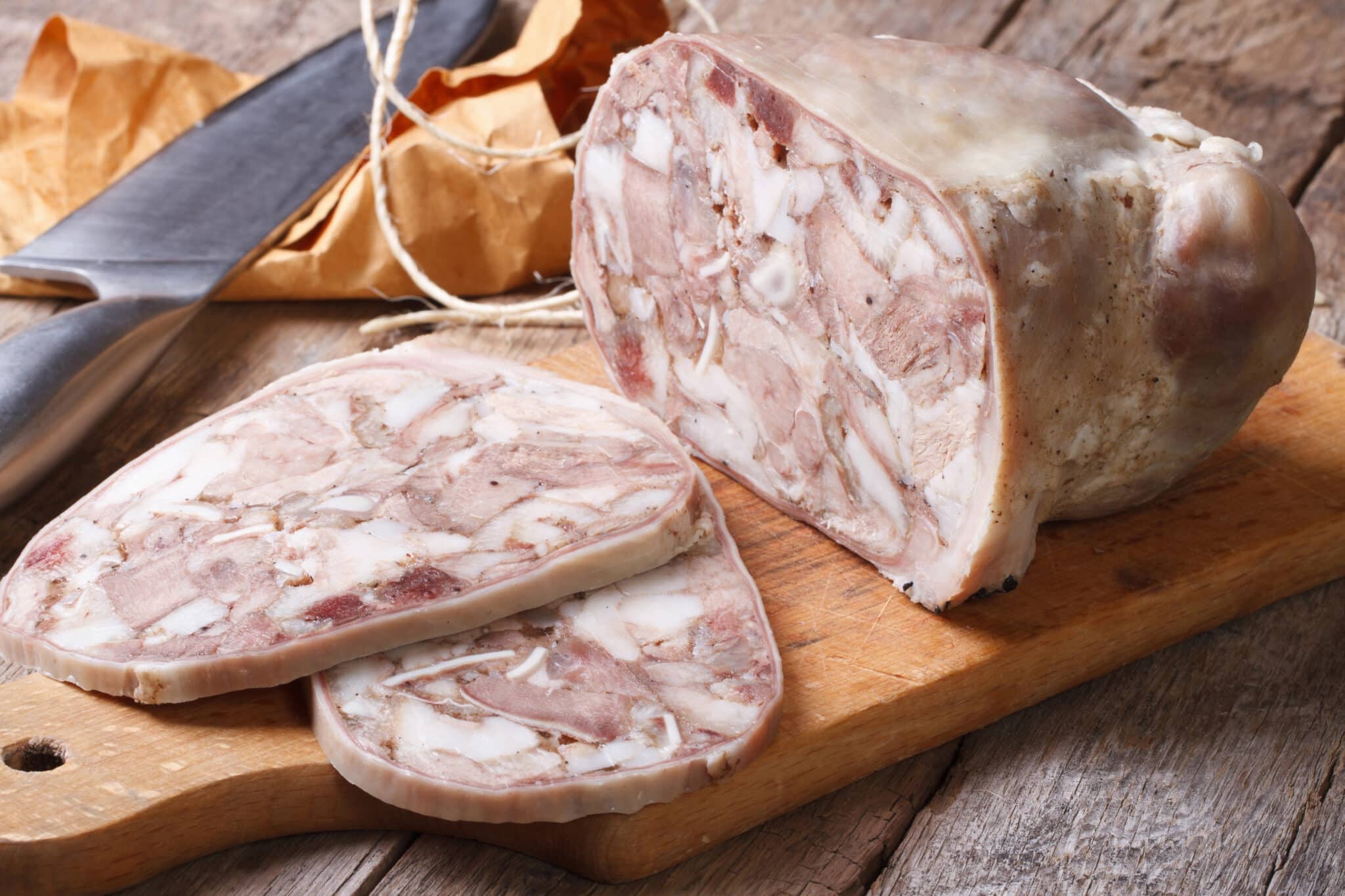

On May 9, 2026, the U.S. Department of Agriculture’s Food Safety and Inspection Service (FSIS) issued a public health alert for a traditional pork product known as headcheese due to potential contamination with the pathogen Listeria monocytogenes. Produced by Crawford Sausage Co. and sold under the DAISY BRAND label, the ready-to-eat deli meat had been distributed to retail locations in Illinois and Indiana, where at least three people had already been sickened. By the time the alert was issued, the affected products, carrying a “USE BY” date of March 26, 2026, were no longer available for purchase, yet FSIS remained concerned that the meat might still be lingering in consumers’ refrigerators. This incident, though small in scale, is a reminder that Listeria monocytogenes continues to pose a persistent and deadly threat in the modern food supply, particularly through ready-to-eat foods that require no additional cooking before consumption. The headcheese outbreak is not an isolated event but part of a broader pattern of Listeria contamination in prepared foods that has led to hospitalizations, deaths, and widespread recalls across the United States in recent years.
Listeria monocytogenes: A Refrigerator Pathogen
To understand the significance of the headcheese alert, it is necessary to first understand the bacteria at its center. Listeria monocytogenes is not a typical foodborne pathogen. Unlike Salmonella or E. coli, which are effectively controlled by proper refrigeration, Listeria can not only survive but actively grow at cold temperatures, including inside a home refrigerator. The bacteria are also remarkably resilient in the environment, commonly found in soil, water, sewage, rotting vegetation, and the intestines of animals. This environmental ubiquity means that Listeria can enter the food supply at almost any point, from the farm to the processing plant to the retail deli counter.
When a person consumes food contaminated with Listeria, the resulting illness is called listeriosis. The disease manifests in two distinct forms. The less severe, non-invasive form primarily affects healthy adults and presents with mild symptoms such as fever, muscle aches, nausea, vomiting, and diarrhea, typically resolving within one to three days. The more severe, invasive form occurs when the bacteria spread beyond the gastrointestinal tract, leading to headache, stiff neck, confusion, loss of balance, and convulsions. Invasive listeriosis is a life-threatening event, particularly for vulnerable populations.
Outbreak Background
The Indiana headcheese outbreak, though localized, followed a familiar pattern. Headcheese is a ready-to-eat pork deli product typically made from meat and seasonings that are cooked together and formed into a loaf or jelly-style product. The products implicated in the alert were produced on January 20, 2026, and were intended for slicing at retail delis, meaning that individual consumer purchases may not have carried the original packaging with the “USE BY” date, making traceability more difficult.
The problem was discovered as part of an ongoing illness investigation involving the Illinois Department of Public Health and local health departments. FSIS collected an unopened headcheese product sample that tested positive for Listeria monocytogenes, though further testing was ongoing to determine if the product sample matched the specific strain found in the three sick individuals in Illinois.
FSIS did not request a formal recall because the affected products were no longer available for purchase. Nevertheless, the agency urged consumers who may have purchased the product not to eat it and to clean their refrigerators thoroughly to prevent cross-contamination.
Why Headcheese and Other Deli Meats Are at Risk
Headcheese is far from the only deli meat that has been linked to Listeria outbreaks. The bacteria are particularly problematic in foods that are sliced or handled after cooking, such as at a retail deli counter. Delis are required to keep their refrigerators at 40°F or below, but Listeria can still grow at these temperatures if given enough time. Moreover, the bacteria can persist on surfaces, such as slicers and counters, for extended periods, contaminating multiple products over time. The FDA notes that ready-to-eat foods are at especially high risk because they undergo no additional cooking step before consumption, meaning any contamination present at the time of purchase remains present on the plate. This is precisely why the headcheese alert prompted FSIS to recommend that retail delis not only discard the affected products but also “clean and sanitize all food and non-food surfaces and discard any open meats and cheeses in the deli that housed the products subject to this alert”. The agency also directed retailers to its “Best Practices Guidance for Controlling Listeria monocytogenes in Retail Delicatessens,” a document outlining steps to prevent contamination in products like deli meats and deli salads that are prepared or sliced at retail and consumed in the home.
The Human Toll: Why Listeria Is So Dangerous
The danger of Listeria is not evenly distributed across the population. For most healthy adults, exposure to the bacteria results in mild or no symptoms, and they recover without medical intervention. However, for certain high-risk groups, listeriosis is among the most lethal of all foodborne illnesses. These groups include pregnant women, older adults (particularly those over 65), and individuals with weakened immune systems due to conditions such as cancer, diabetes, liver or kidney disease, HIV/AIDS, or treatments like chemotherapy and steroids.
Pregnant women are approximately twenty times more likely to get listeriosis than other healthy adults, primarily because hormonal changes during pregnancy alter the immune system, making it harder to fight off infections. Alarmingly, pregnant Hispanic women are about 24 times more likely to get listeriosis, a disparity linked to higher consumption of foods highly susceptible to Listeria contamination, such as queso fresco-type cheeses. The FDA estimates that roughly one in six of all Listeria cases occur in pregnant women.
For the baby, the consequences of a maternal Listeria infection can be dire. The bacteria can cross the placenta and infect the unborn child, whose immune system is not fully developed and cannot fight off the infection. This can lead to miscarriage, stillbirth, premature delivery, or a life-threatening infection of the newborn. Babies born with listeriosis may face lifelong health problems, including intellectual disability, paralysis, seizures, blindness, or impairments of the brain, heart, or kidneys. In newborns, the bacteria can cause blood infections and meningitis.
For older adults, the risk is similarly elevated. As people age, their immune system becomes less effective at recognizing and eliminating harmful germs, giving Listeria an opportunity to grow and spread within the body. The same is true for individuals with weakened immune systems, whose ability to fight off infections is compromised by the disease process itself or by the side effects of treatments such as chemotherapy.
The incubation period for listeriosis is remarkably long. Symptoms typically appear within two weeks after eating contaminated food, but the range can extend from as few as one day to nearly 70 days. This long and variable incubation often makes it difficult for both patients and healthcare providers to identify the source of the infection, complicating outbreak investigations.
Broader Trends in Ready-to-Eat Food Recalls
The headcheese public health alert arrived amid a flurry of other recalls and outbreak investigations involving ready-to-eat foods, which stresses the persistent nature of the Listeria problem throughout the food industry.
A particularly severe outbreak in 2024 to 2025 involved prepared pasta meals sold at major grocery retailers, with products supplied by Nate’s Fine Foods and FreshRealm. The investigation revealed that the ready-to-eat pasta salads and prepared meals were linked to a total of six deaths and at least 36 hospitalizations across multiple states.
Whole genome sequencing (WGS) has become an indispensable tool in these investigations. This advanced technology allows public health officials to compare the DNA fingerprints of bacteria found in sick people, in food samples, and in processing environments to determine if they are related. In the Fresh and Ready Foods outbreak, which resulted in ten hospitalizations and one death in late 2024 and early 2025, WGS analysis confirmed that the strain of Listeria found on equipment at the facility was an exact match to the outbreak strain sickening people, allowing investigators to pinpoint the source of contamination with a high degree of certainty.
The science is clear: Listeria is a persistent, dangerous, and sometimes deadly presence in the food supply, particularly in ready-to-eat foods that require no cooking. The Indiana headcheese outbreak, though small, is a reminder that no product is immune and no consumer is safe from harm.
Analysis & Next Steps
The continued emergence of Listeria outbreaks in ready-to-eat products, from traditional deli meats like headcheese to prepared pasta meals sold at national grocery chains is reason for continued consumer caution. The headcheese alert, issued just days ago, reinforces that even products with full cooking processes like headcheese, which is fully cooked before packaging, can still become contaminated, likely during slicing, handling, or packaging at retail. Also notable is that the outbreak was identified through routine illness surveillance, not through consumer complaints, highlighting the importance of public health monitoring systems.
Why it matters is because Listeria monocytogenes remains one of the most lethal foodborne pathogens. While the three confirmed illnesses in Indiana may seem small, the consequences of listeriosis can be catastrophic for vulnerable individuals. A single undetected contaminated product sitting in someone’s refrigerator could cause miscarriage, stillbirth, or death in an older adult or immunocompromised individual. The bacteria’s ability to grow at refrigeration temperatures means that standard cold storage does not eliminate risk and it may only slow it down.
Who is affected includes everyone, but the severe outcomes fall hardest on pregnant women, older adults, and those with weakened immune systems. For these groups, the advice is not merely cautionary but potentially life-saving: avoid high-risk ready-to-eat foods unless they have been reheated to steaming hot (165°F internal temperature). For deli meats like headcheese, the safest approach is to heat them before eating. Pregnant women in particular should be aware that their personal risk is elevated even if they feel healthy, and they should consult healthcare providers if they have consumed a recalled product or develop flu-like symptoms.
What to do now for consumers is straightforward but essential. First, check home refrigerators for the recalled headcheese products (DAISY BRAND, “USE BY” MAR 26 2026) and discard them immediately. Because Listeria can spread, the entire refrigerator should be cleaned thoroughly with a sanitizing solution to prevent cross-contamination. Any surfaces or containers that touched the product should also be sanitized. Second, for anyone in a high-risk group who has consumed the product, monitor for symptoms of listeriosis, which may appear anywhere from a few days to two months after exposure. If fever, muscle aches, headache, stiff neck, confusion, or loss of balance occur, seek medical care immediately and inform the healthcare provider about the potential exposure. For all consumers, the general advice remains: keep refrigerators below 40°F (4°C), use ready-to-eat foods promptly, and consider reheating deli meats and prepared salads to steaming hot before consumption, as heat reliably kills Listeria bacteria.
For delis and retailers, the FSIS guidance is clear: clean and sanitize all food and non-food surfaces that may have come into contact with the affected products, and discard any open meats and cheeses in the deli area. Following established best practices for controlling Listeria in retail environments is essential to prevent future outbreaks.
