

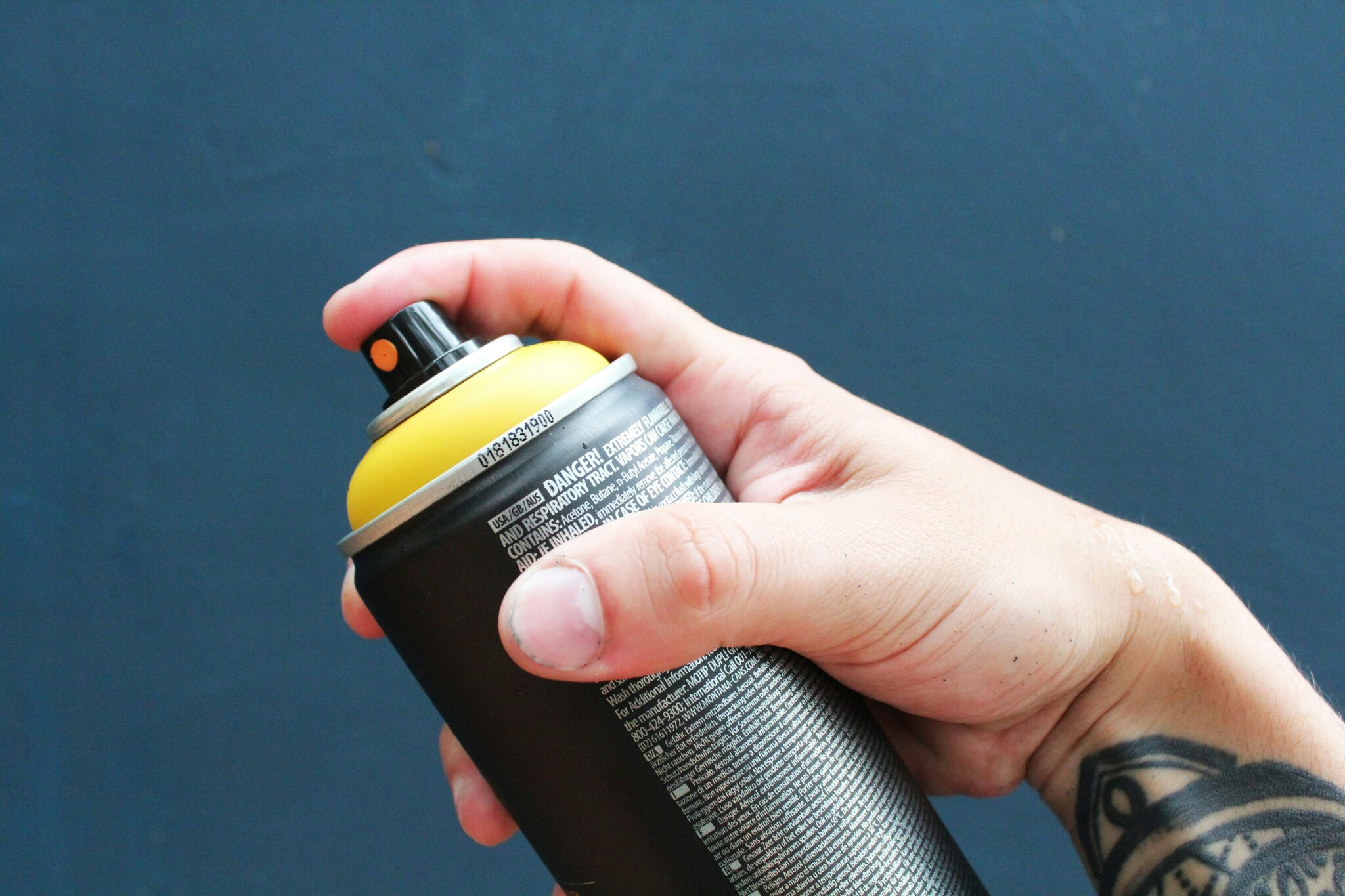

The concept of airborne transmission in foodborne illness traditionally focuses on respiratory pathogens, but emerging evidence suggests that kitchen activities may aerosolize foodborne pathogens, creating invisible routes of contamination. Pathogen-laden aerosols, microscopic particles suspended in air, can be generated during routine tasks like washing produce, using high-pressure faucets near raw meat, or even emptying a contaminated sink strainer.
These aerosols behave differently based on particle size: droplets larger than 20 micrometers typically fall quickly onto surfaces within 3 feet, while smaller particles under 10 micrometers (true aerosols) can remain airborne for extended periods, traveling on air currents and potentially being inhaled or deposited on food or utensils. Norovirus, a leading cause of foodborne illness, exemplifies this risk. During vomiting episodes, a common symptom, the virus can become aerosolized in particles as small as 10–12 micrometers, settling on surfaces far from the original source. Similarly, Campylobacter and Salmonella in splatter from washing poultry or rinsing raw meat may disperse through droplets.
Pathogens of Concern
- Fungal threats: Aspergillus fumigatus spores (2–3.5 μm) exhibit exceptional airborne buoyancy, settling at approximately 1 meter per hour in still air. These spores can colonize damp kitchen environments like sink drains, refrigerator seals, or dishcloths, posing risks to immunocompromised individuals if inhaled or ingested via contaminated food.
- Bacterial hazards: E. coli and Salmonella thrive in moist kitchen niches. Sink drains, garbage disposals, and sponges develop biofilms that, when disturbed, release bacteria into the air. For instance, biofilm-laden sludge in sink P-traps can disseminate pathogens when water flow agitates the residue.
- Viral vectors: Norovirus’s stability in aerosols allows it to infect via inhalation or surface contamination. Studies note its detection in air samples during outbreaks, with particles penetrating deep into respiratory tracts when inhaled.
Activity-Generated Risks
High-velocity water from faucets can aerosolize pathogens from raw foods, projecting them up to 3 feet onto counters or utensils. Dishwashing, particularly without sanitizing cycles, leaves residues on sponges and rags that release bacteria when used. Garbage disposals, if not disinfected monthly, accumulate microbial films that disperse during operation. Even seemingly benign actions like shaking a wet salad spinner or unloading a dishwasher can resuspend dried pathogens into the air.
Mitigation Strategies
Preventive measures focus on source control and airflow management:
- Mechanical intervention: Position sinks away from food prep zones, use laminar airflow hoods for high-risk tasks, and run dishwashers on sanitizing cycles (≥150°F) to destroy pathogens.
- Targeted disinfection: Sanitize sinks nightly with 1 tablespoon bleach per gallon of water to disrupt biofilms, replace sponges weekly, and clean garbage disposals with chlorinated cleaners.
- Behavioral adjustments: Avoid high-pressure rinsing of raw foods, use lids when blending, and ensure kitchen ventilation systems exhaust externally to reduce aerosol accumulation.
While direct ingestion remains the dominant route for foodborne illness, aerosolization presents a plausible secondary transmission pathway, particularly in enclosed kitchens with poor ventilation. Ongoing research aims to quantify its contribution to outbreaks, but current evidence underscores integrating aerosol mitigation into food safety protocols.
