

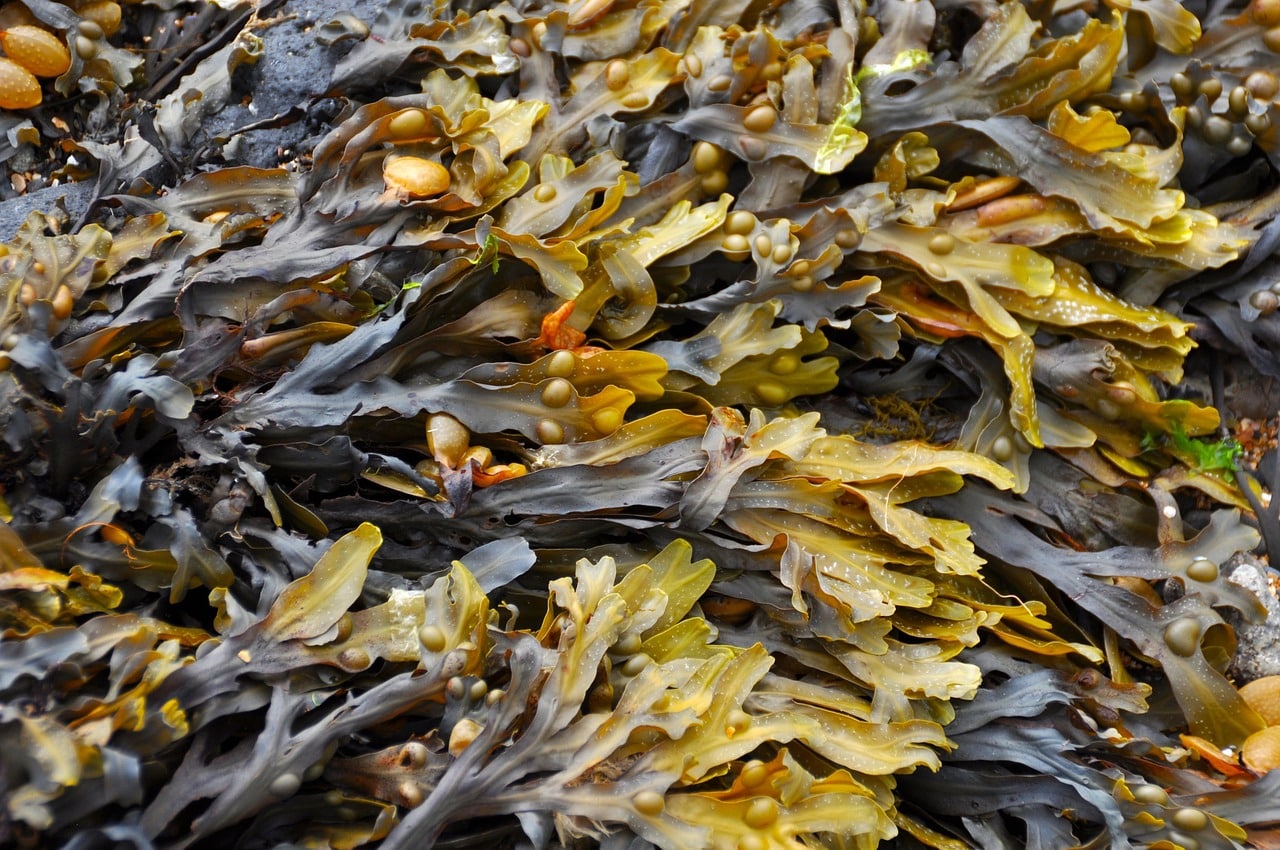

When people think of seafood poisoning, bacteria like Vibrio or parasites like tapeworms usually come to mind. But an increasingly common culprit lies not in the fish themselves, but in the algae they feed on: harmful algal blooms (HABs). These events produce toxins that accumulate in shellfish and fish, causing unique forms of food poisoning often mistaken for allergic reactions or stomach flu.
One well-known example is ciguatera fish poisoning, caused by eating reef fish like barracuda or grouper contaminated with ciguatoxins. Symptoms include nausea and vomiting, but also unusual neurological effects like temperature reversal — where hot feels cold and vice versa. Another is paralytic shellfish poisoning (PSP), triggered by saxitoxins from dinoflagellates, which can cause tingling, paralysis, and in severe cases, death.
These toxins are odorless, tasteless, and unaffected by cooking or freezing, making them nearly impossible for consumers to detect. Outbreaks often spike in coastal areas during summer when algae flourish. Climate change is amplifying this risk: warmer waters and nutrient runoff are fueling larger and more frequent HABs worldwide.
Public health agencies monitor shellfish beds for algal toxins, but gaps remain. Travelers eating seafood abroad are especially vulnerable, since monitoring standards vary widely. Recreational fishers, too, may unknowingly bring home contaminated catches.
Unlike bacterial food poisoning, which usually resolves in days, algal toxin poisoning can have lasting effects. Ciguatera symptoms, for example, can recur for months after the initial illness, triggered by alcohol or certain foods.
The lesson is clear: seafood carries risks beyond bacteria. Paying attention to local advisories, avoiding high-risk species, and diversifying seafood choices can reduce exposure. Algal toxins may be invisible, but their impact on human health is anything but.
