
Close Menu
  • Food Poisoning
    • Symptoms
    • Prevention
    • Treatment
    • Causes
  • Pathogens
    • Botulism
    • Campylobacter
    • E. coli
    • Cyclospora
    • Norovirus
    • Hepatitis A
    • Salmonella
    • Listeria
    • Shigella
  • Food Safety
    • How to wash your hands
    • Food Safty And The Holidays
  • Legal
    • Can I sue for Food Poisoning?
    • E. coli Lawyer
      • E. coli Lawsuit
    • Salmonella Lawyer
      • Salmonella Lawsuit
    • Botulism Lawyer
    • Cyclospora Lawyer
    • Shigella Lawyer
    • Hepatitis A Lawyer
  • Outbreaks and Recalls
  • Connect With A Lawyer
What's Hot

Do You Meal Prep on the Weekends for the Week Ahead? Safety Tips to Avoid Food Poisoning During Batch Meal Preparation

January 12, 2026

Harnessing Our Microbial Allies: How Probiotics Wage War on Foodborne Pathogens Like Salmonella and E. Coli

January 12, 2026

Peace by Chocolate Recalls Pistachio-Containing Chocolates Amid Salmonella Contamination Concern

January 10, 2026
Facebook X (Twitter) Instagram
Facebook X (Twitter) YouTube
  • About
  • Contact Us
Food Poisoning NewsFood Poisoning News
  • Home
  • Food Poisoning
    • What is Food Poisoning?
      • Symptoms
      • Causes
      • Prevention
      • Treatment
      • Statistics
    • Pathogens
      • Botulism
      • Campylobacter
      • E. coli
      • Hepatitis A
      • Shigella
      • Norovirus
      • Salmonella
      • Cyclospora
      • Listeria
  • Food Safety
    • How to wash your hands
    • Food Safty And The Holidays
  • Legal
    • Salmonella Lawyer
      • Salmonella Lawsuit
    • E. coli Lawyer
      • E. coli Lawsuit
    • Cyclospora Lawyer
    • Shigella Lawyer
    • Hepatitis A Lawyer
    • Botulism Lawyer
  • Outbreaks and Recalls
Food Poisoning NewsFood Poisoning News
Home»Food Safety Updates»Alien E. coli: As Dangerous as STEC O157:H7
Alien E. coli: As Dangerous as STEC O157:H7
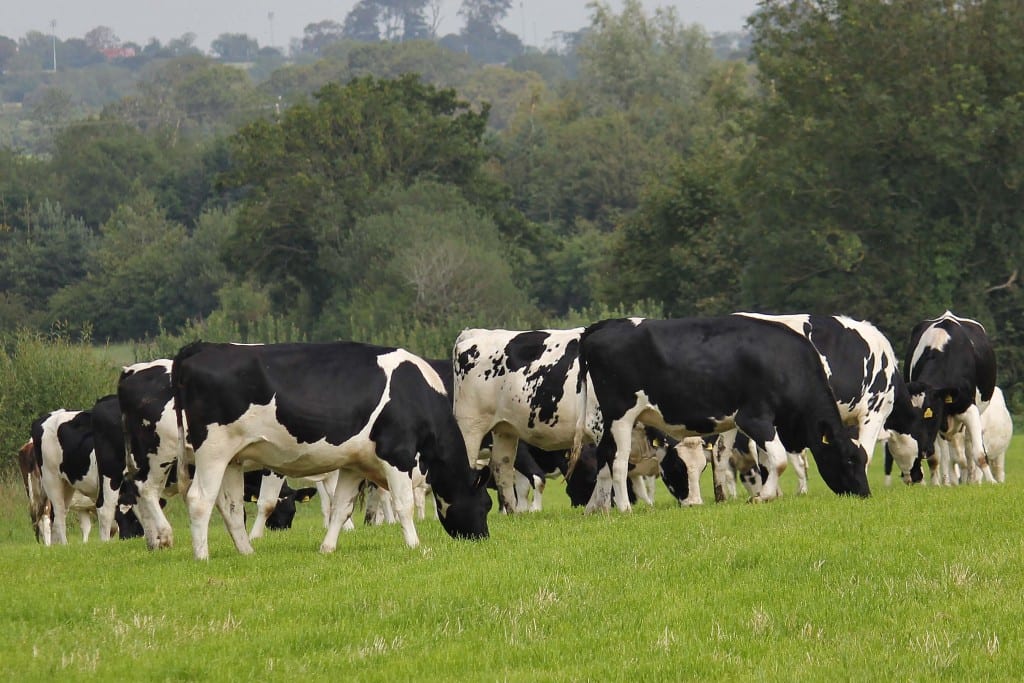
Cattle feeders and veterinarians should keep an eye out for E. coli O165:H25, an enterohemorrhagic strain that can cause disease in cattle and potentially poses a food-safety hazard for humans.
Food Safety Updates

Alien E. coli: As Dangerous as STEC O157:H7

Tony Coveny, Ph.DBy Tony Coveny, Ph.DApril 26, 2016Updated:January 20, 2022No Comments4 Mins Read
Share
Facebook Twitter LinkedIn Pinterest Email Reddit

An Unexpected Death in the Family…

Russ Rice, a Veterinarian from Broken Bow, Nebraska, did not expect today to be the beginning of a saga that made him consider E. coli – certain STEC subsets, in particular – in a different way. He stood still as he observed the crew begin to pull some young female cows from a pen of 170 other heifers. Rice and his crew chose the cows based on their general demeanor and appearance, carefully selecting those that seemed to be lethargic, sick, or acting abnormally.

Today, he had noticed a number of heifers he felt were in need of respiratory disease treatment.

As the crew pulled the cows, Rice “noted that some bloody stools were present in the containment pen.” As a result, he also treated the animals for coccidiosism, a parasitic disease of the intestinal tract that manifest as bloody diarrhea. Despite the treatment, the cows’ bloody stools continued, and one of the animals died.

Rice examined the cow that died from what he had believed to be a fairly common intestinal ailment among young cattle. He immediately noticed abnormalities in the animal’s intestinal tract that were readily visible to the human eye.

He immediately submitted specimens from the heifer to the University of Nebraska diagnostic laboratory for testing.

…From an Unexpected Cause – Non-O157:H7 STEC (EHEC)

The test results came as more than a bit of a surprise: the laboratory found signs of attaching and effacing E. coli, and subsequently diagnosed the O165:H25 enterohemorrhagic, also known as Shiga toxin-producing (STEC) strain.

In humans, infections with some STEC serotypes “may result in hemorrhagic or nonhemorrhagic diarrhea, which can be complicated by” Hemolytic Uremic Syndrome (HUS), a potentially fatal complication that has the potential to lead to liver failure and death.

These specific STEC strains are known as enterohemorrhagic E. coli (EHEC) — EHEC strains are a subgroup of STEC with “high pathogenic potential for humans.”

Protecting the Herd

Rice recognized the need to take proactive measures to prevent the other heifers from contracting the potentially lethal disease. He added bovamine – essentially probiotics for cattle, or additional “good bacteria” to offset any STEC in the animals’ digestive tracts – to the cows’ food. He also decreased the amount of grain and increased the amount of hay the heifers were rationed each day.

A week following the change in diet, stool samples taken from the pen in question all tested negative for E. coli O165:H25.

At the same time, tests conducted on samples taken from the pen next to the one that had housed the E. coli-infected heifers tested positive for coccidia, the parasitic condition that Rice initially believed the animals infected with STEC had.

Rice drew two conclusions from the presence of coccidia in the adjacent pen:

First, he came to strongly suspect that coccidiosis initially infected the cows that later contracted E. coli O165:H25. The coccidiosis would essentially weaken the heifers’ immune system, making them more susceptible and less able to fight off the E. coli infection.

Second, Rice “also suggests that cases of STEC could be mistaken for coccidiosis, salmonella, BVD” (a diarrheal disease affecting bovine) or “other diseases” in the absence of laboratory diagnosis.

While his first conclusion helped explain the events of the past week or so, the second observation was more troubling. A potentially lethal strain of E. coli could easily be mistaken for a much more mundane condition. The second conclusion only led to more questions: how prevalent is this strain of E. coli? is it frequently detected in bovine? has it been detected in humans? how often is it tested for?…and the questions continued.

Future Ramifications

“Cattle feeders and veterinarians should keep an eye out for E. coli O165:H25, an STEC strain that can cause disease in cattle and potentially poses a food-safety hazard for humans.”

“The O165:H25 serotype,” Rice says, “is similar to E. coli O157:H7, and could be an emerging food-borne pathogen in cattle and beef.” He suggests that veterinarians include STEC in their list of differential diagnoses when they see enteric disease in feedlot cattle.”

Serotype O165 has now been associated with an outbreak in the Northwest US, and the complete whole-gene sequence for E. coli O165:H25 STEC was finally reported in December of 2015.

All that’s left to discover is how many other serotypes may be – or become – virulent to humans; and whether – or how much – they differ from O157:H7.

If you or a family member have been affected by food poisoning, please fill out our free case evaluation form or call us toll-free at 1-888-335-4901. One of our attorneys will contact you to discuss your potential case at absolutely no cost to you.

Share. Facebook Twitter Pinterest LinkedIn Tumblr Email
Tony Coveny, Ph.D

Tony Coveny, has been practicing infectious disease litigation exclusively for more than a decade, settling cases against major agro-industrial companies, international suppliers, and domestic distributors and manufacturers. Tony Coveny, alongside Ron Simon, has tried cases against restaurants, distributors, national manufacturers, and foreign corporations to recover damages against their clients. From the main office in Houston, which he manages, he speaks to potential and current clients on a daily basis.

Related Posts

Peace by Chocolate Recalls Pistachio-Containing Chocolates Amid Salmonella Contamination Concern

January 10, 2026

Antibiotic-Resistant Foodborne Infections: A Growing Threat at the Dinner Table

January 9, 2026

Norovirus: What You Need to Know About the Highly Contagious “Stomach Bug”

January 8, 2026

Hepatitis A Virus (HAV): The Spread, Incubation Period, and Recovery from HAV

January 7, 2026
Add A Comment
Leave A Reply Cancel Reply

Attorney Advertisement
Ron Simon

Subscribe to Updates

Get the latest food safety recall, outbreak, & investigation news.

Latest Posts

Do You Meal Prep on the Weekends for the Week Ahead? Safety Tips to Avoid Food Poisoning During Batch Meal Preparation

January 12, 2026

Harnessing Our Microbial Allies: How Probiotics Wage War on Foodborne Pathogens Like Salmonella and E. Coli

January 12, 2026

Peace by Chocolate Recalls Pistachio-Containing Chocolates Amid Salmonella Contamination Concern

January 10, 2026

Food Poisoning News is a website devoted to providing you with the most current information on food safety, dangerous pathogens, food poisoning outbreaks and outbreak prevention, and food poisoning litigation.

We're social. Connect with us:

Facebook X (Twitter) YouTube
Latest Posts

Do You Meal Prep on the Weekends for the Week Ahead? Safety Tips to Avoid Food Poisoning During Batch Meal Preparation

January 12, 2026

Harnessing Our Microbial Allies: How Probiotics Wage War on Foodborne Pathogens Like Salmonella and E. Coli

January 12, 2026

Peace by Chocolate Recalls Pistachio-Containing Chocolates Amid Salmonella Contamination Concern

January 10, 2026
Get Informed

Subscribe to Updates

Get the latest food safety recall, outbreak, & investigation news.

Facebook X (Twitter) YouTube
  • Home
© 2026 Food Poisoning News. Sponsored by Ron Simon & Associates a Houston, TX law firm. Powered by ArmaVita.
Our website and content are for informational purposes only. Food Poisoning News does not provide legal advice, medical advice, diagnosis, or treatment.

Type above and press Enter to search. Press Esc to cancel.