

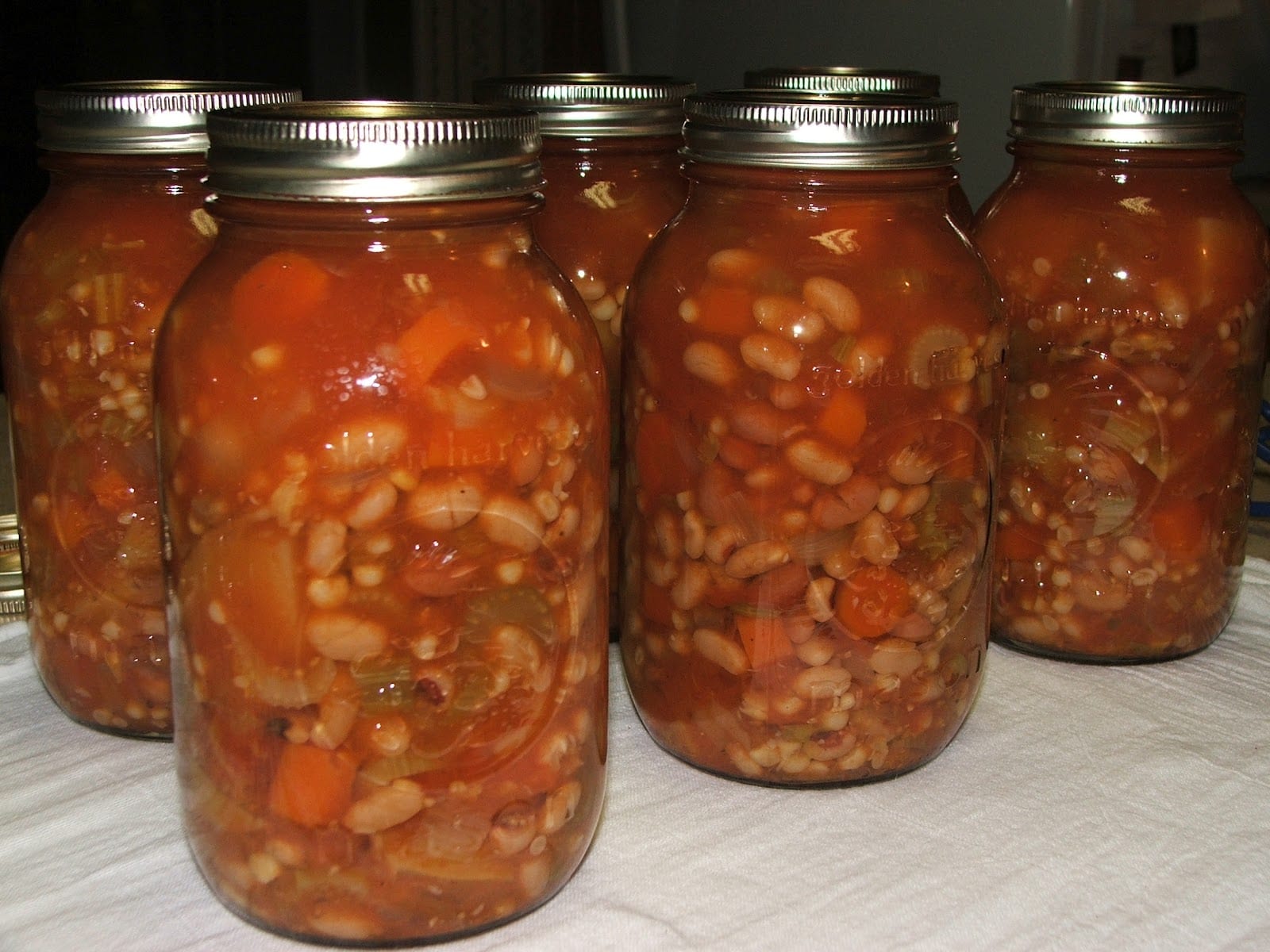

Home canning has long been a popular method for preserving fresh fruits and vegetables, allowing food enthusiasts to enjoy their favorite produce year-round. However, the U.S. Food and Drug Administration (FDA) and the American Medical Association (AMA) warn that improperly canned foods can pose a serious health risk, potentially causing botulism – a rare but deadly kind of food poisoning.
Earlier this month, Food Poisoning News reported on a botulism outbreak at two family events in California linked to the consumption of a salad containing home-canned cactus pads. Ten people were hospitalized and two sisters were in intensive care as of July 8th.
Botulism, a rare but potentially fatal form of food poisoning, can occur when the bacterium Clostridium botulinum grows and produces toxins. Symptoms of botulism can include general weakness, dizziness, double vision, difficulty speaking or swallowing, breathing problems, muscle weakness, abdominal distension, and constipation. These symptoms may appear anywhere from six hours to two weeks after consuming contaminated food.
To ensure safe home canning practices, experts recommend following these crucial guidelines:
- It’s essential to use a canner specifically designed for canning that should be appropriately sized to prevent undercooking. For low-acid vegetables like green beans and corn, as well as meats, fish, and poultry, a pressure canner is mandatory. Boiling water canners are not suitable for these foods as they cannot protect against botulism.
- Regular maintenance of your canner is vital. Check the rubber gasket for flexibility and softness, ensuring it’s not brittle, sticky, or cracked. Clean small pipes and vents routinely to remove any debris. Before pressurizing the canner, vent air from it for 10 minutes.
- Adopt the “when in doubt, throw it out” approach. Home-canned foods can be contaminated even if they appear normal. Carefully inspect jars when opening, looking for signs of leaking, bulging, or swelling. Be wary of damaged or cracked containers, or those that spurt liquid or foam upon opening. Contaminated foods may show discoloration, mold, or have an off-odor.
By following these guidelines, home canners can significantly reduce the risk of foodborne illnesses while enjoying the benefits of preserved produce. Remember, proper canning techniques are crucial for maintaining food safety and preventing potentially life-threatening conditions like botulism.
Commenting on this story, one national food safety attorney said, “Safety should always be prioritized over convenience. By taking precautions, consumers can safely preserve their favorite fruits and vegetables, ensuring a pantry full of food throughout the year.”
