

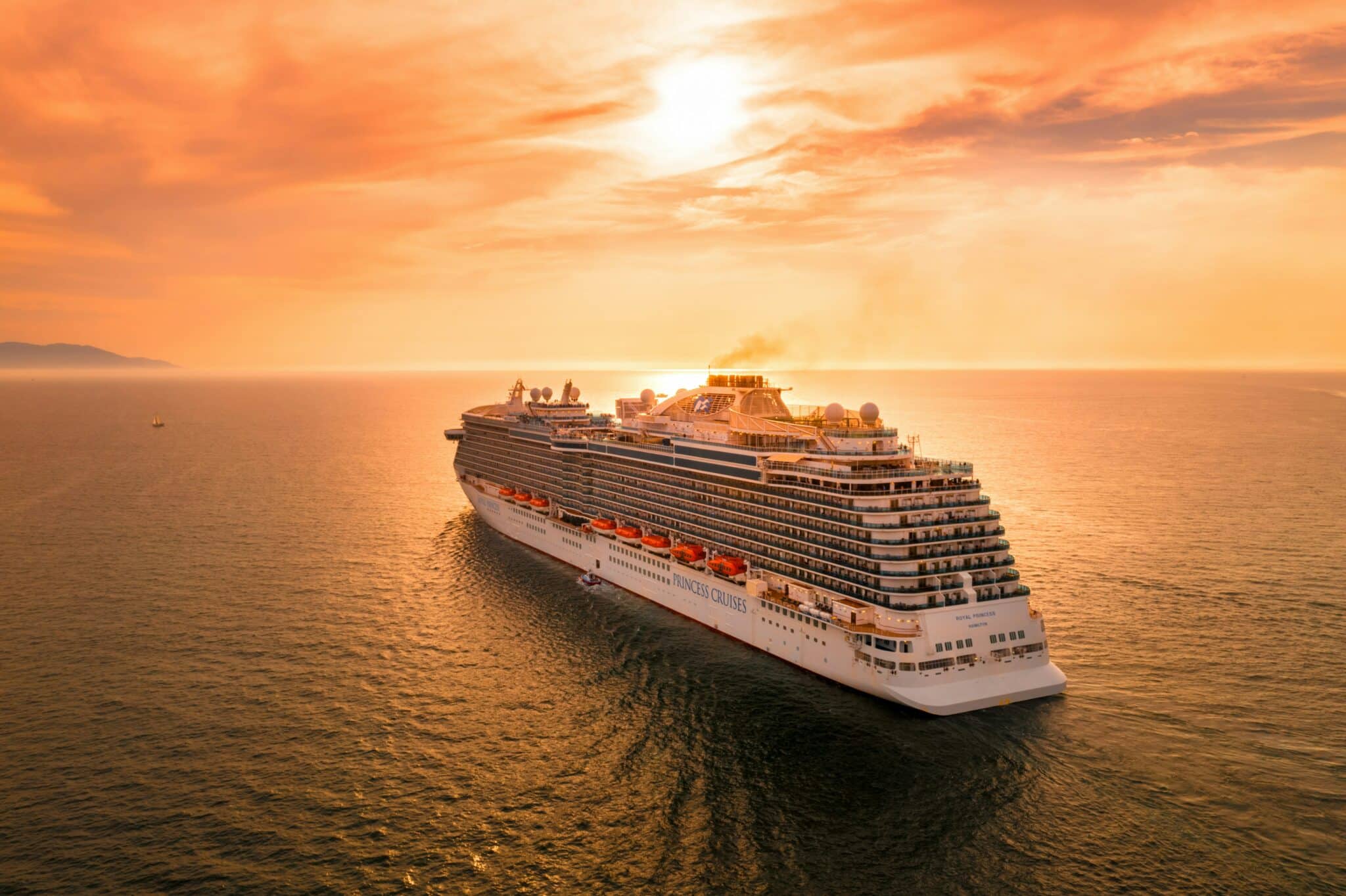

For many travelers, cruises are the ultimate vacation — endless buffets, exotic ports of call, and the convenience of unpacking just once. But behind the glamour of ocean sunsets and fine dining lies a reality most passengers never consider: cruise ships are uniquely vulnerable to foodborne illness outbreaks.
When thousands of people share the same kitchens, dining rooms, and recreational spaces — often in close quarters for a week or more — bacteria can travel just as easily as the passengers. And once it’s on board, there’s no quick trip to shore to restock, sanitize, or seek outside medical care.
Why Cruise Ships Are High-Risk Environments
Cruise ships are essentially floating cities. They have multiple restaurants, cafés, and buffet stations, all fed by a centralized network of galleys (ship kitchens) and storage areas. These kitchens operate around the clock, serving thousands of meals daily, which means food is constantly being prepared, served, and replenished.
While health and safety regulations for ships departing from U.S. ports are strict — overseen by the CDC’s Vessel Sanitation Program (VSP) — the nature of cruising still creates challenges:
- Limited space for food storage and prep.
- Shared serving utensils at buffets, increasing the risk of cross-contamination.
- Rapid turnover between meals, which can lead to lapses in cleaning.
- Global supply chains, meaning ingredients may come from regions with varying safety standards.
Pathogens of Concern
On cruise ships, the most common pathogen people hear about is norovirus, a highly contagious virus that spreads rapidly in close quarters. But norovirus isn’t the only threat — Salmonella, E. coli, and Listeria monocytogenes have all been linked to cruise ship outbreaks.
These bacteria can come from contaminated meat, seafood, produce, or even water. Because passengers often eat multiple meals daily on board — and sometimes sample the same ingredients in different dishes — one contaminated batch can expose hundreds of people before the source is identified.
Case Study 1: Salmonella Outbreak on Radiance of the Seas
In September 2024, Royal Caribbean’s Radiance of the Seas reported a Salmonella outbreak during a seven-day voyage from September 20–27. According to the CDC’s Vessel Sanitation Program (VSP), 180 of the 2,172 passengers—along with three crew members—experienced symptoms including diarrhea, abdominal cramps, headache, and muscle aches. Laboratory testing confirmed the presence of Salmonella, prompting the ship to implement enhanced cleaning protocols, collect stool samples for analysis, and reinforce food safety practices across all dining areas. The incident served as a reminder that even on vessels with strong sanitation scores, lapses can have widespread impact.
Case Study 2: Scarlet Lady’s Dual Pathogen Outbreak
Just one year earlier, in October 2023, Virgin Voyages’ Scarlet Lady faced a rare dual-pathogen outbreak involving both Salmonella and E. coli. CDC records show that 71 of 2,198 passengers, along with seven crew members, fell ill during the voyage. Investigators traced the outbreak to contaminated food served onboard, though the exact dish was not publicly disclosed. The case demonstrated that bacterial outbreaks—though far less common than norovirus incidents on cruise ships—can still occur, and they often present serious risks when detected too late in a closed-quarters environment.
How Outbreaks Spread So Quickly on Ships
Cruise ships create a perfect storm for foodborne illness spread:
- Shared dining spaces mean bacteria from one contaminated item can reach hundreds of passengers in hours.
- Self-service buffets increase contact between passengers and food, utensils, and surfaces.
- Tight living quarters make isolation difficult once someone is sick.
- Multiple food sources (ship kitchens, ports, excursions) complicate tracing the original source.
Prevention Efforts Onboard
Cruise lines have become more aggressive in preventing outbreaks, especially since high-profile norovirus and bacterial cases have made headlines. Common measures include:
- Frequent inspections by the CDC’s Vessel Sanitation Program.
- Onboard food safety officers overseeing storage, prep, and cooking procedures.
- Mandatory handwashing stations at buffet entrances.
- Temperature checks for all meats, seafood, and egg dishes.
Still, mistakes happen — especially when ships are at capacity and serving thousands of meals daily.
What Passengers Can Do
While much of the responsibility lies with the cruise line, passengers can take steps to reduce their own risk:
- Choose freshly cooked items over pre-prepared or buffet foods that have been sitting out.
- Avoid undercooked eggs, meats, or seafood, especially in buffet settings.
- Wash hands frequently, especially before eating.
- Drink bottled water when unsure of local water sources at port.
- Be cautious with salads and raw vegetables on ships where produce origins are unclear.
The Bigger Picture
From a legal perspective, passengers who become ill due to negligence in food preparation or sanitation may have grounds to pursue claims for medical expenses, lost vacation value, and other damages. Law firms specializing in foodborne illness litigation — like Ron Simon & Associates — have successfully represented victims of cruise ship outbreaks, holding companies accountable for lapses in safety protocols.
Final Thoughts
A cruise should be remembered for the sights, the relaxation, and the once-in-a-lifetime experiences — not for days spent in the ship’s infirmary. But the reality is that foodborne pathogens don’t care if you’re on vacation.
By understanding the risks and taking a few extra precautions, passengers can enjoy the culinary delights of cruising without falling victim to the invisible bacteria that sometimes stow away on board. And if illness does strike, knowing your rights and where to turn for help is the first step toward getting justice — and ensuring cruise lines take safety as seriously as they take luxury.
