


Beyond the Plate: Surprising Ways Foodborne Illnesses Develop
When most people hear the term “foodborne illness,” they immediately think of undercooked chicken, tainted lettuce, or spoiled leftovers. While contaminated food is indeed the leading source of outbreaks, it’s not the only way harmful microbes find their way into our lives. Pathogens like Salmonella, E. coli, Listeria, and norovirus are everywhere, in the environment, on surfaces, in water, and even on people. Understanding these alternate routes of exposure is essential for preventing illness and protecting public health.
Here are some of the unexpected ways foodborne illnesses can develop beyond food itself.
1. Contaminated Water Sources
Water is one of the most common yet overlooked carriers of pathogens. Drinking water contaminated with fecal matter can introduce bacteria, viruses, and parasites into households. But water doesn’t have to be ingested directly to cause problems.
- Irrigation & produce contamination: Crops watered with untreated or contaminated water can harbor pathogens before they ever reach the grocery store.
- Ice & beverages: Ice made from unclean water can introduce norovirus or Cryptosporidium into drinks.
- Recreational water: Lakes, pools, or splash pads contaminated with human or animal waste are frequent sources of outbreaks, especially norovirus and E. coli.
Water-related contamination is often silent, since it looks and tastes normal, but it remains one of the biggest culprits in foodborne illness beyond the plate.
2. Poor Hand Hygiene
Humans are excellent vehicles for spreading pathogens. Hands carry bacteria and viruses from one surface to another, making hygiene critical.
- Cross-contamination in kitchens: Even if food is safe, dirty hands can transfer germs from raw meat, animals, or surfaces onto ready-to-eat foods.
- Person-to-person transmission: Norovirus, one of the leading causes of gastroenteritis, spreads rapidly in households, schools, cruise ships, and nursing homes when infected individuals don’t wash properly.
- Surface contamination: Pathogens can survive on doorknobs, phones, and keyboards, then travel to mouths or meals when hands aren’t washed.
In many outbreaks, it isn’t the food itself that was initially contaminated, but the people handling it.
3. Surfaces and Household Items
The kitchen is often called the “heart of the home,” but it can also be one of the dirtiest environments. Studies consistently show that dish sponges, towels, and cutting boards harbor high bacterial loads.
- Cutting boards: Using the same cutting board for raw chicken and fresh vegetables without washing in between is a classic route for Salmonella or Campylobacter.
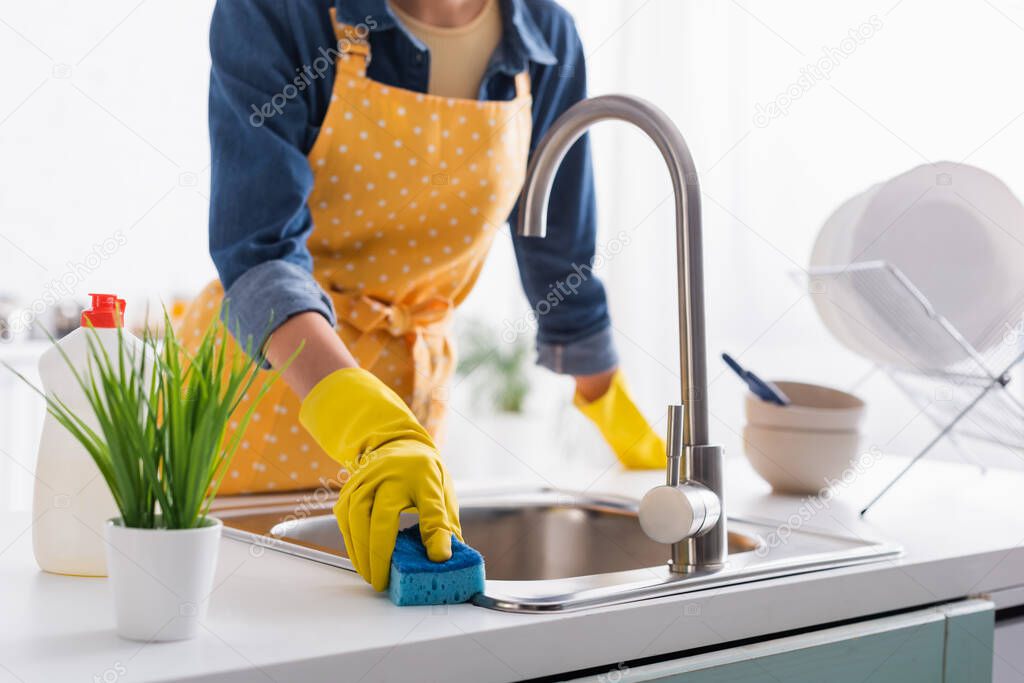
- Sponges & dishcloths: These stay moist and warm, providing ideal conditions for bacterial growth. Unless sanitized regularly, they can spread pathogens to counters, plates, and utensils.
- Towels: Reused hand towels can pass germs between family members.
Even outside the kitchen, contaminated surfaces like bathroom sinks and pet feeding areas can act as hubs for foodborne pathogens.
4. Animals and Pets
Animals, both domestic and wild, are natural carriers of bacteria and parasites.
- Backyard flocks: Chickens and ducks can carry Salmonella without looking sick. Handling them and then touching food can spread the bacteria.
- Reptiles & amphibians: Turtles, lizards, and frogs are frequent carriers of Salmonella. Children are especially at risk.
- Pets fed raw diets: Dogs and cats can shed pathogens in saliva and feces after eating contaminated pet food, spreading germs around the home.
- Rodents & wildlife: Rats, mice, and wild birds can contaminate kitchens, pantries, and gardens with droppings carrying E. coli or Listeria.
Pet cuddles and animal contact are valuable, but without careful hygiene, they can be a hidden source of illness.
5. Airborne Transmission
Some pathogens can hitch a ride through the air, though this is less common.
- Norovirus particles: Vomiting releases microscopic viral particles into the air, which can land on surfaces or be inhaled.
- Processing plants: In food production facilities, airborne dust or droplets can spread Listeria or Salmonella between surfaces
This route is especially dangerous in crowded settings like cruise ships, dormitories, or hospitals, where outbreaks spread rapidly.
6. Inadequate Sanitation During Disasters
During floods, hurricanes, or infrastructure breakdowns, sanitation systems often fail. This creates prime conditions for outbreaks not directly tied to food.
- Floodwaters: Sewage mixed into floodwaters contaminates homes, playgrounds, and gardens.
- Improvised food prep: Lack of clean water or soap can make safe cooking and serving nearly impossible.
- Overcrowding: Shelters and relief centers, without strict hygiene practices, can quickly see norovirus or Salmonella spread.
Final Note
Foodborne illness doesn’t always start with food. Water, hands, surfaces, pets, and even the air can play a role in spreading dangerous microbes. While it’s impossible to eliminate every risk, awareness and good hygiene can significantly reduce exposure.
- Wash hands often and thoroughly.
- Sanitize high-touch kitchen items like sponges, towels, and cutting boards.
- Keep animals away from food prep areas.
- Pay attention to water quality, especially during travel or emergencies.
By broadening our understanding of how pathogens move beyond the plate, we can protect ourselves not only at mealtimes but throughout daily life.
