

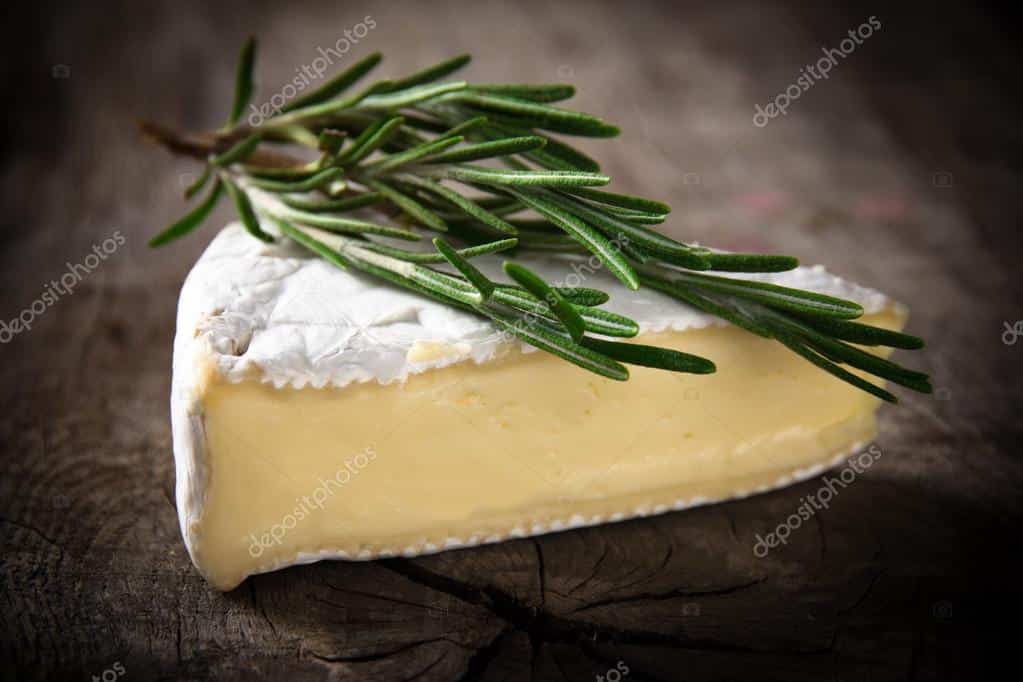

On August 14, 2025, Fromi USA, based in New York, issued a voluntary recall of its Brie Royal Faucon 1 kg cheese due to possible contamination with Listeria monocytogenes. This recall came after the company was notified by its foreign supplier that some products may be tainted.
What’s Being Recalled:
- Product: Brie Royal Faucon cheese (1 kg), made from pasteurized cow’s milk
- Packaging: Two units per case in wooden boxes
- Lot: Lot number 615, clearly marked on both the wooden box and the case
- Distribution: Sold either whole or as cut portions
- Retail Locations: Distributed to Cheese Plate Park Slope LLC in Brooklyn, NY, then sold at Cheese Plate Brooklyn – Park Slope and Carroll Gardens between July 24 and August 13, 2025.
No illnesses have been reported in connection with the recall in the U.S.
Understanding Why Listeria Matters
Listeria monocytogenes is a bacteria of significant concern in cheese recalls, especially soft cheeses like Brie, because it can survive refrigeration and grow slowly even in cold conditions.
Although healthy individuals may experience mild symptoms such as fever, headache, stiffness, nausea, abdominal pain, or diarrhea, listeriosis can be far more serious in vulnerable populations, including:
- Pregnant individuals (risking miscarriage, stillbirth, and neonatal infections)
- Older adults
- Infants and newborns
- Individuals with compromised immune systems
Annually in the U.S., there are about 1,600 cases of listeriosis, with approximately 260 fatalities, underscoring the public health importance of such recalls.
Parallel Alerts from Europe
A similar recall was issued in Spain by the Basque Health Department after detecting Listeria monocytogenes in Brie Royal Faucon (two 1 kg units with a best-before date of September 1, 2025) and another soft cheese, Camembert du caractère Vieux Porche.
These cheeses had been distributed across Madrid, Euskadi, and the Balearic Islands, and sold in markets such as La Bretxa in San Sebastián. Authorities advised consumers not to consume these products and to practice strict hygiene measures to avoid cross-contamination. Anyone experiencing symptoms, such as vomiting, diarrhea, or fever, was urged to seek medical attention, with pregnant individuals advised to consult specific guidance.
What Consumers Should Do
For those who purchased or received Brie Royal Faucon cheese:
- Do not consume it.
- Return it to the place of purchase for a full refund.
- If you’ve already eaten it and experience symptoms, particularly if you’re pregnant, elderly, or immunocompromised, seek medical attention immediately.
Why Recalls Like This Happen
Soft cheeses like Brie and Camembert pose an elevated Listeria risk because:
- Their high moisture and slightly acidic conditions favor pathogen growth.
- Even when made from pasteurized milk, contamination can occur via equipment, packaging, or the environment during processing.
- Wooden packaging, though traditional, can be harder to sanitize effectively.
Recalls often occur when upstream suppliers alert distributors and retailers, like from France to Fromi USA, about potential contamination, leading to immediate preventive action.
Final Note
While Brie Royal Faucon cheese has been recalled over Listeria concerns, it’s important to note that no infections have been linked to it in the U.S. so far. Nonetheless, the recall underscores how quickly food safety issues can cross borders and why vigilance is essential.
Consumers, especially those in higher-risk groups, should stay informed, adhere to manufacturer and health agency directives, and immediately discard or return suspect products. As always, when it comes to food safety, it’s better to err on the side of caution.
