

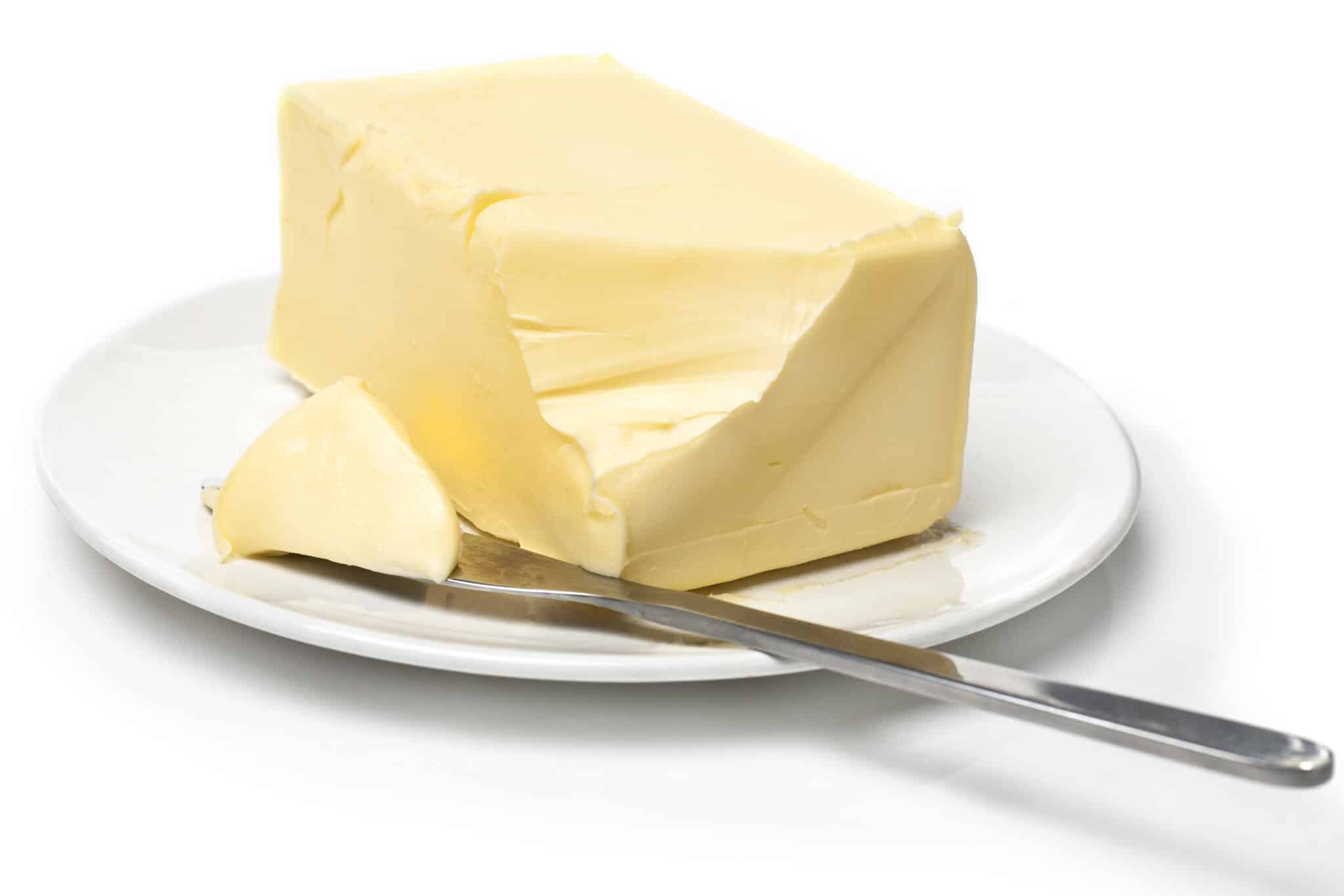

Butter is a staple in many households, used to spread on toast, bake pastries, and enrich sauces. But there’s one question that continues to spark debate in kitchens everywhere: Should butter be stored on the counter or in the refrigerator? While both storage methods have their pros and cons, the answer ultimately comes down to a balance between food safety, texture preferences, and usage habits.
What Is Butter, Really?
Butter is made by churning cream until the fat separates from the buttermilk. The resulting product is about 80% fat, with the remainder being water and milk solids. Its high fat content and low moisture make butter less hospitable to bacterial growth than many other dairy products. However, this does not mean butter is completely immune to spoilage.
Room Temperature Storage: Pros and Risks
The Appeal of Soft, Spreadable Butter
One of the main reasons people leave butter out is convenience. Cold butter straight from the refrigerator can be hard and difficult to spread. Keeping it at room temperature ensures it’s always ready for use, especially for breakfast items or quick recipes.
How Long Can It Safely Sit Out?
According to the U.S. Department of Agriculture (USDA), butter can be safely kept at room temperature for up to one to two days—especially if stored in a covered butter dish or crock that limits exposure to air and light. Salted butter is more stable at room temperature than unsalted butter because the salt acts as a preservative.
That said, if your kitchen is particularly warm (above 70°F or 21°C), the butter is more likely to go rancid quickly. Rancid butter won’t necessarily make you sick, but it does develop an unpleasant taste and smell.
Refrigerated Butter: A Safer Bet?
Preserving Quality and Preventing Rancidity
The refrigerator is undoubtedly the safest place to store butter for the long haul. Cool temperatures slow down the oxidation process that causes butter to turn rancid, as well as inhibit the growth of bacteria and mold. Unopened butter can be kept in the fridge for up to a month past the “best by” date, while opened butter typically lasts 1–2 weeks, depending on how it’s handled.
Freezing for Long-Term Storage
If you stock up during a sale or don’t use butter often, freezing is another option. Butter freezes well and can be stored in the freezer for up to six to nine months. It’s best to keep it in its original packaging, then place it in an airtight container or freezer-safe bag to prevent it from absorbing odors.
What About Butter Bells and Butter Dishes?
Butter crocks or “butter bells” are ceramic containers designed to keep butter fresh at room temperature. The bell is filled with butter, and the base is filled with a small amount of water to create an airtight seal. When used properly and with regular water changes, butter stored in a bell can last up to two weeks on the counter.
However, hygiene is crucial: always use clean utensils when handling the butter to prevent contamination. Also, these devices work best with salted butter, which has a lower risk of bacterial growth.
Signs Butter Has Gone Bad
Regardless of where you store it, butter can go bad over time. Look out for:
- Sour or rancid odor
- Discoloration or mold
- Unpleasant taste
If you notice any of these, it’s best to discard the butter to avoid possible foodborne illness or an off flavor in your cooking.
What Do the Experts Say?
- The USDA recommends refrigerating butter to ensure safety but acknowledges short-term room-temperature storage of salted butter.
- Healthline suggests that if you prefer to leave butter out, do so in small quantities and consume it within a few days.
- The FDA does not require butter to be labeled with the same strict refrigeration guidelines as other dairy products, largely due to its fat content and relatively low water activity.
Best Practices for Butter Storage
To safely enjoy the convenience of room-temperature butter:
- Use Salted Butter – It lasts longer unrefrigerated due to its preservative quality.
- Keep Portions Small – Only leave out what you’ll use in a few days.
- Use a Covered Container – Protect butter from air, light, and contaminants.
- Keep It Clean – Always use a clean knife to avoid introducing bacteria.
- Monitor Room Temperature – Avoid leaving butter out if your kitchen regularly exceeds 70°F (21°C).
Final Note
The question of whether to refrigerate butter or leave it out is less about a hard rule and more about informed personal preference. If you like your butter soft and ready to spread, keeping a small amount out on the counter is fine—just be mindful of how long it sits there and under what conditions. For long-term storage and peace of mind, the refrigerator is the safest choice. Understanding the science behind butter’s composition and spoilage can help you make the best decision for your household while ensuring both flavor and safety.
