

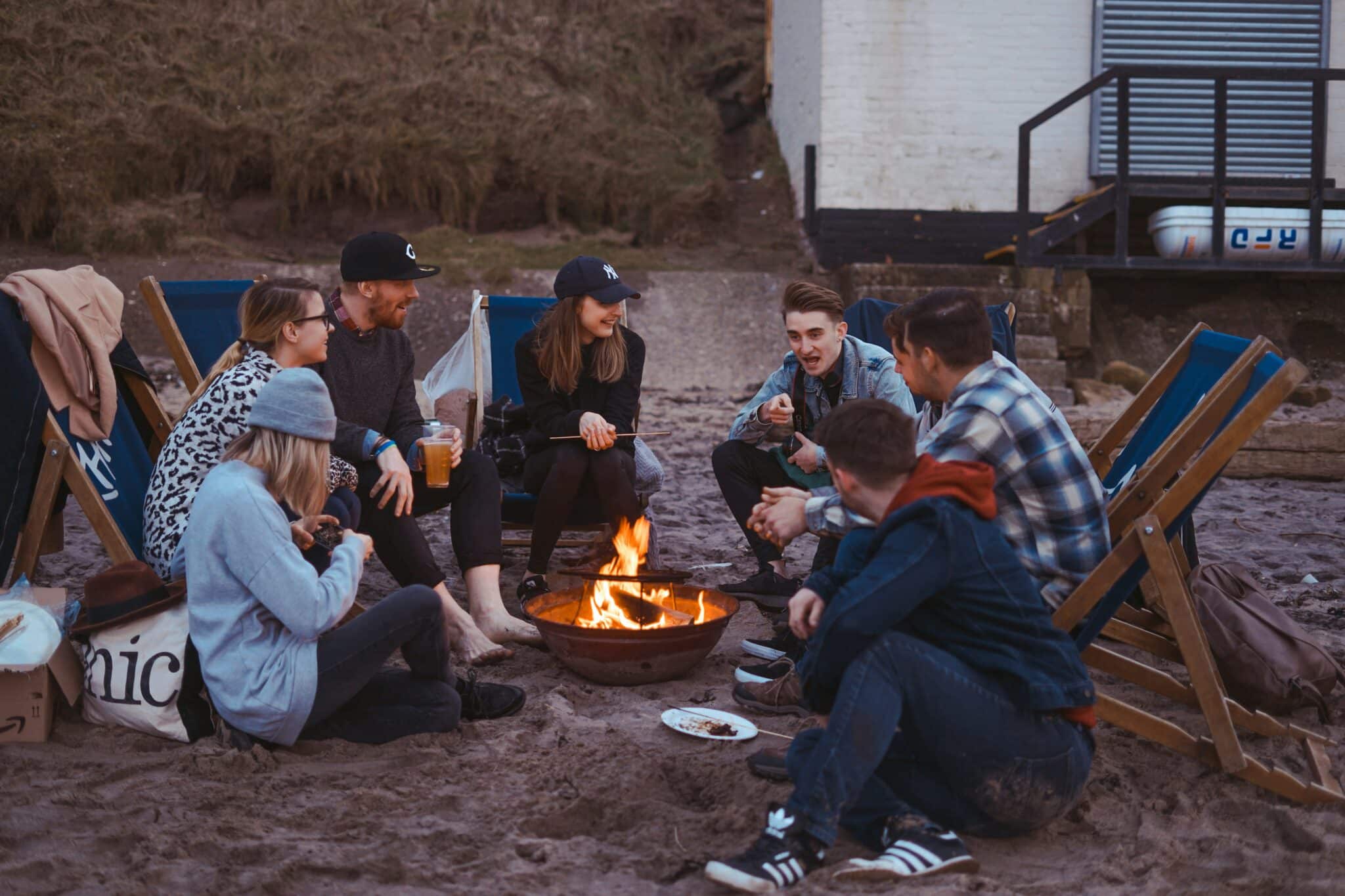

Camping Food Safety: Keeping It Fresh Without a Fridge
Camping offers a break from the routine and a return to nature, but it also presents a unique set of food safety challenges, especially when you don’t have access to a refrigerator. Whether you’re spending a weekend in the woods or a week off-grid, keeping food fresh without modern conveniences is key to avoiding foodborne illness and making your trip enjoyable. Poor planning can result in spoiled food, digestive distress, or worse. The good news? With a few smart strategies, you can stay safe and well-fed, no fridge required.
Understanding the Danger Zone
Food safety starts with understanding the “danger zone”: temperatures between 40°F and 140°F, where bacteria multiply rapidly. Perishable items such as meat, dairy, eggs, and some cooked foods should never stay in this range for more than two hours, or just one hour if the outdoor temperature is above 90°F.
Without a fridge, maintaining safe temperatures means being proactive about how you pack, store, and handle food. This requires the use of insulation, cooling methods, and smart menu choices.
Smart Packing: The Right Gear Makes a Difference
Investing in a high-quality cooler is the most important step for campers aiming to keep perishable items safe. Look for coolers with thick insulation, tight-sealing lids, and the ability to retain ice for multiple days. Pre-chill your cooler before packing by storing ice or frozen water jugs inside for a few hours.
Use frozen gel packs, block ice, or frozen water bottles rather than loose ice cubes, which melt quickly and can leave food soggy. Freeze food items ahead of time whenever possible. As they thaw, they’ll help keep surrounding items cold and extend the cooler’s effectiveness.
Pack coolers in layers, placing raw meat or seafood at the bottom in sealed containers to avoid drips, and keep frequently accessed items near the top to minimize open-lid time.
Choose Shelf-Stable and Non-Perishable Foods
One of the easiest ways to stay safe while camping is to limit how many perishable items you bring. Fortunately, many delicious and nutritious options don’t require refrigeration:
- Canned goods: Beans, tuna, soups, vegetables, and fruit.
- Dehydrated meals: Backpacking meals only need hot water.
- Nut butters and nuts: High in protein and shelf-stable.
- Dried fruit and jerky: Great snacks that don’t spoil easily.
- Hard cheeses: Some varieties like aged cheddar or Parmesan can last a day or two unrefrigerated.
- Powdered milk or plant-based shelf-stable cartons: Great for coffee or cooking.
Plan meals that incorporate these foods while using perishable items like meat, dairy, or eggs within the first 24-48 hours of your trip.
Cook Safely and Clean Thoroughly
Cooking outdoors requires extra attention to cleanliness. Always wash your hands before preparing food, or use hand sanitizer with at least 60% alcohol if water is scarce. Keep a separate cutting board for raw meat, and use a food thermometer to ensure meat reaches safe internal temperatures:
- Poultry: 165°F
- Ground meats: 160°F
- Beef, pork, lamb: 145°F (with a three-minute rest time)
Leftovers should be eaten quickly or discarded. Without refrigeration, do not save cooked food beyond two hours unless you’re confident it has stayed cold.
Keep It Cool in Transit
Food safety begins before you reach the campsite. If you’re driving for several hours, a hot car can be a food safety hazard. Pack food last to keep it cold as long as possible, and place the cooler in the back seat or under shade, not the trunk, where it gets less heat exposure. If possible, use separate coolers for drinks and perishable food, since opening the cooler for drinks introduces warm air and speeds up ice melt.
Know When to Toss It
When in doubt, throw it out. Spoiled food isn’t always obvious. A change in texture, odor, or color can signal danger, but harmful bacteria can also multiply without visible signs. If something feels warm or has been left out too long, don’t risk it. Illness from spoiled food can ruin more than just a camping trip.
Bonus Tips for Safe Camping Meals
- Eat perishables first: Plan meals to use up refrigerated items early in your trip.
- Keep coolers in the shade: Cover with a reflective blanket or towel to block heat.
- Use resealable containers: Prevents leaks and cross-contamination.
- Stay hydrated: Clean, potable water is crucial for safe food handling and staying healthy.
Final Note
Camping doesn’t mean you have to eat bland or boring food, but it does mean you need to plan carefully. By prioritizing food safety through smart packing, proper storage, and safe cooking habits, you can enjoy delicious meals in the great outdoors without risking illness. Without a fridge, your best tools are knowledge, preparation, and common sense. So pack wisely, stay cool, and enjoy every bite beneath the open sky.
