

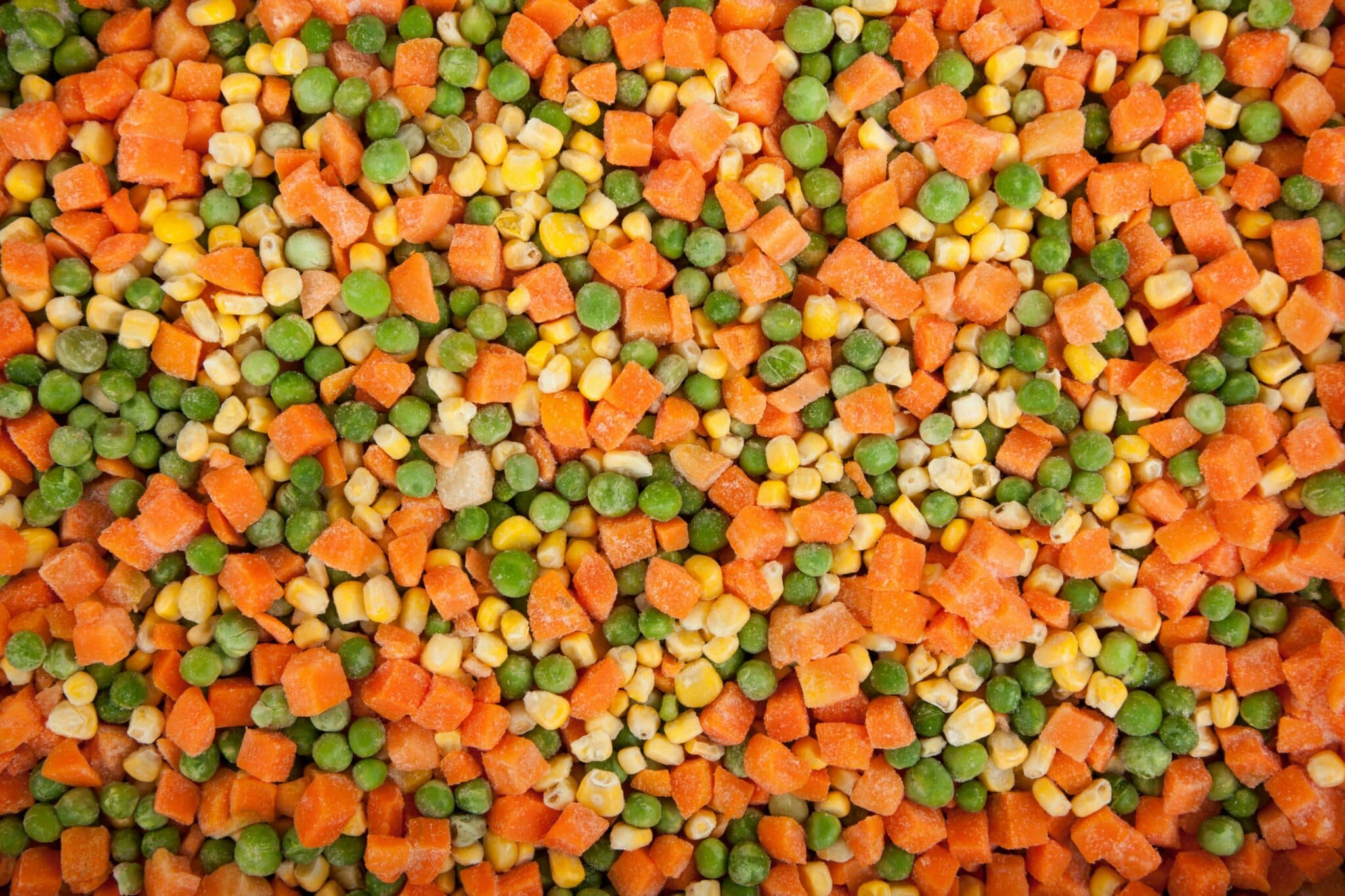

Chetak LLC Group Expands Voluntary Product Recall to Include Additional Frozen Vegetable and Fruit Products Due to Possible Health Risk
Food recalls continue to highlight the importance of food safety and consumer awareness. Chetak LLC Group has announced an expansion of its voluntary recall to include a wider range of frozen vegetables and fruit products after potential contamination risks were identified. The company’s decision underscores its commitment to transparency and consumer safety, while also raising questions about how widespread frozen food contamination can be.
The Initial Recall and Expansion
The recall began when concerns surfaced about possible contamination in certain frozen food items. Initially limited to a smaller batch of frozen vegetables, Chetak LLC has since expanded the recall to cover additional vegetable blends and frozen fruit products. These items were distributed through retail outlets across multiple states, making the scope of the recall significant.
The expansion was carried out in consultation with the U.S. Food and Drug Administration (FDA) and other regulatory agencies. While no confirmed illnesses have been reported in connection with the recalled products, the company is taking precautionary action to prevent potential health risks to consumers.
Why Frozen Foods Are at Risk
Consumers often assume frozen foods are immune to contamination because of the freezing process. Freezing slows bacterial growth but does not kill harmful pathogens like Listeria monocytogenes, Salmonella, or E. coli. If contamination occurs during harvesting, processing, or packaging, those pathogens can remain in the frozen state and become active again once the product is thawed.
Vegetables and fruits are especially vulnerable since they often bypass the cooking process. Smoothies, salads, and side dishes made from frozen produce may not involve heating, which would otherwise help destroy harmful bacteria.
Health Risks Associated with Contaminated Frozen Produce
The primary concern in this recall centers on pathogens such as Listeria monocytogenes. Listeria infections can cause serious illness, particularly among vulnerable groups such as pregnant women, newborns, the elderly, and individuals with weakened immune systems. Symptoms may include fever, muscle aches, nausea, and in severe cases, invasive infections that can lead to hospitalization.
Salmonella and E. coli are also possible contaminants in frozen produce. Both bacteria can cause gastrointestinal illness marked by diarrhea, abdominal cramps, fever, and dehydration. Young children and older adults are at a higher risk of complications from these infections.
What Consumers Should Do
Shoppers who have purchased frozen vegetables or fruit products from Chetak LLC Group should carefully check the product labels against the recall notice posted on the FDA website. If a product matches the recall description, it should not be consumed. Consumers are advised to either discard the items safely or return them to the place of purchase for a full refund.
Freezers should also be cleaned and sanitized if contaminated products were stored inside. While freezing itself does not allow bacteria to multiply, Listeria can survive at cold temperatures, and cross-contamination can occur if bacteria spread from packaging to other surfaces.
Industry-Wide Implications
This expanded recall reflects broader concerns in the frozen food industry. Advances in detection technology have made it easier to identify contamination during quality testing, leading to more recalls. While recalls are disruptive and costly, they also demonstrate the effectiveness of food safety oversight and the willingness of companies to prioritize public health.
The incident also serves as a reminder to consumers that frozen foods, while convenient and often nutritious, require safe handling practices. Proper cooking, when possible, helps eliminate potential pathogens. Thorough washing of hands, utensils, and kitchen surfaces after handling frozen produce can also reduce risks.
Moving Forward
Chetak LLC Group has pledged full cooperation with federal regulators to investigate the source of the contamination. The company is reviewing its supply chain and processing protocols to prevent similar issues in the future. Enhanced testing, stricter sanitation standards, and supplier monitoring may all play a role in strengthening food safety measures.
For consumers, the recall is an important reminder of the hidden risks associated with frozen foods that may not always undergo thorough cooking. Staying informed about recall notices and practicing safe food handling are key steps in protecting personal and family health.
Final Note
The expansion of the Chetak LLC Group voluntary recall highlights both the vulnerabilities and safeguards present in the modern food supply chain. While contamination risks cannot always be completely eliminated, proactive recalls, regulatory oversight, and consumer awareness all work together to minimize harm. By discarding recalled products and following safe food handling practices, consumers can help protect themselves from potential illness.
