

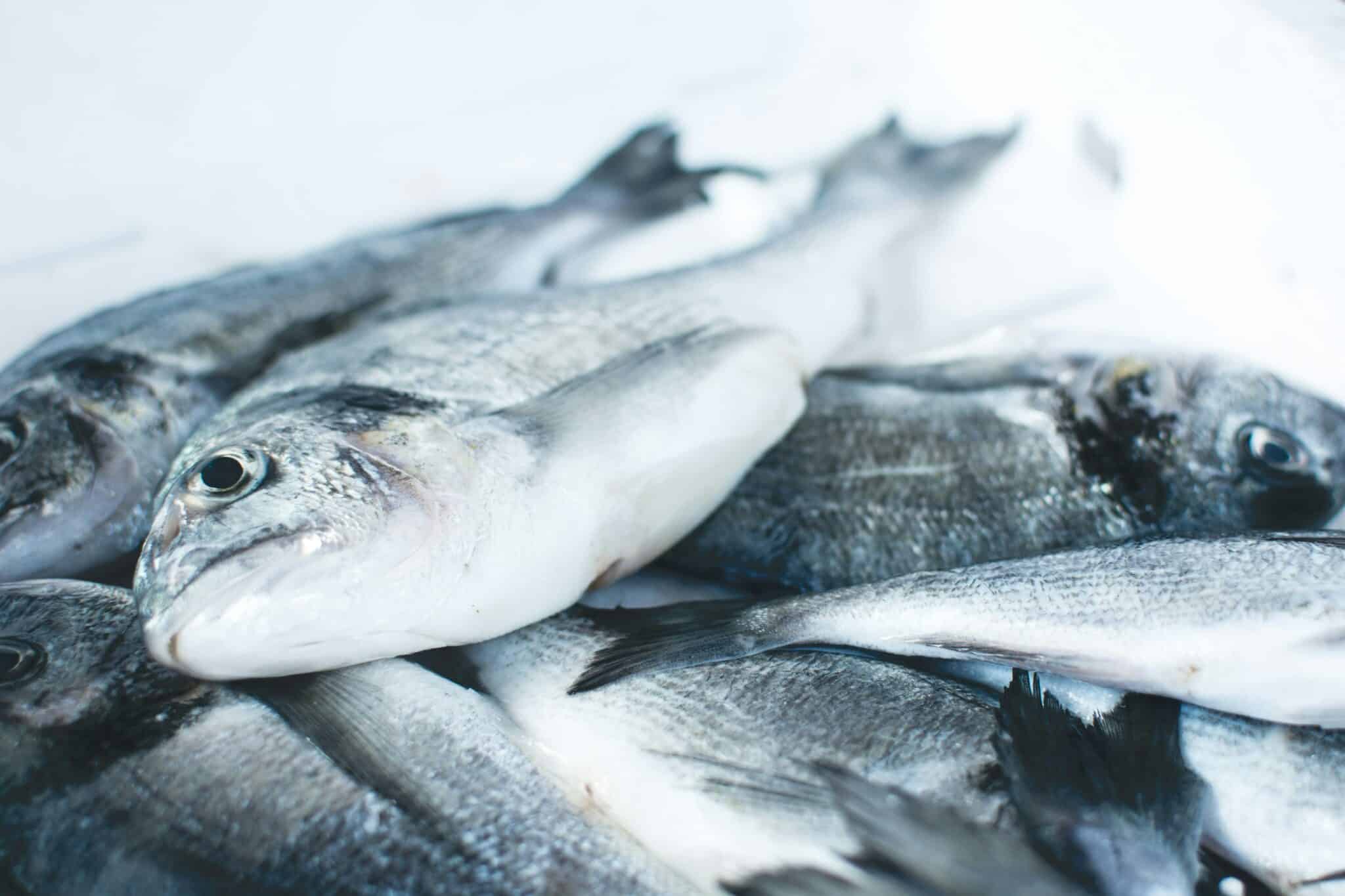

Ciguatera fish poisoning (CFP) is the most common form of non-bacterial foodborne illness associated with seafood consumption worldwide. Caused by eating reef fish contaminated with toxins produced by microscopic marine organisms, CFP poses a significant public health challenge, especially in tropical and subtropical regions. Despite its prevalence, the illness remains underreported and often misdiagnosed due to its wide range of symptoms and lack of definitive diagnostic tests.
What Causes Ciguatera Fish Poisoning?
Ciguatera poisoning is caused by toxins known as ciguatoxins, which are produced by dinoflagellates (particularly Gambierdiscus toxicus) that live on algae in warm ocean waters. Herbivorous fish consume these algae, and as larger carnivorous fish eat the smaller ones, the toxins accumulate and become more concentrated up the food chain, a process known as biomagnification.
Humans typically contract the illness by consuming larger reef-dwelling fish that inhabit tropical and subtropical waters. Common culprits include:
- Barracuda
- Grouper
- Snapper
- Amberjack
- Moray eel
These fish are often caught in the Caribbean, Pacific Islands, and Indian Ocean regions, but global trade has led to CFP cases in previously unaffected areas, including the United States and Europe.
Symptoms of Ciguatera Poisoning
Symptoms of CFP typically begin within 6 hours of eating contaminated fish, though they can appear as soon as 1 hour or as late as 24 hours post-consumption. What makes this illness particularly complex is its wide array of gastrointestinal, neurological, and cardiovascular symptoms.
Common symptoms include:
- Nausea, vomiting, and diarrhea
- Abdominal pain and cramping
- Itching and rash
- Muscle aches and joint pain
- Numbness or tingling in extremities
- Reversal of hot and cold sensations (a hallmark symptom)
- Fatigue and weakness
- Low blood pressure or slowed heart rate
Neurological symptoms may persist for weeks or even months, and in rare cases, individuals can suffer from chronic fatigue or depression. Unlike many foodborne illnesses, CFP does not cause fever.
Diagnosis and Treatment
There is no specific test to confirm ciguatera poisoning in humans, which often leads to misdiagnosis, particularly in non-endemic areas. Diagnosis is clinical and based on symptoms and a recent history of eating tropical reef fish.
There is also no antidote for ciguatoxins. Treatment focuses on relieving symptoms. Supportive care may include:
- Intravenous fluids for dehydration
- Pain relievers and antihistamines
- Mannitol infusion in severe neurological cases (though its effectiveness remains debated)
Patients are also advised to avoid alcohol, nuts, caffeine, and fish for several months after recovery, as these substances can trigger a relapse or worsen symptoms.
Global Incidence and Public Health Impact
The U.S. Centers for Disease Control and Prevention (CDC) estimates 50,000 to 500,000 cases of CFP occur worldwide each year. However, the actual number may be higher due to underreporting. Many cases go unrecognized or are not reported to health authorities, especially in remote or underserved regions.
In the United States, cases have been reported in Florida, Hawaii, Texas, Puerto Rico, and the U.S. Virgin Islands, with occasional incidents in travelers returning from tropical destinations.
Global warming and climate change may be contributing to an increase in CFP cases. Rising ocean temperatures expand the habitat range of Gambierdiscus algae, potentially increasing the number of toxic fish in previously unaffected areas.
Prevention and Consumer Awareness
Unlike bacterial contamination, ciguatoxins are not destroyed by cooking, freezing, or any form of food preparation. Therefore, prevention relies entirely on avoiding consumption of potentially toxic fish.
Preventive measures include:
- Avoiding large reef fish when traveling in tropical regions
- Being cautious about eating barracuda, grouper, or snapper
- Purchasing seafood from reputable sources that adhere to safety monitoring protocols
- Heeding local advisories or warnings, especially in endemic areas
For travelers and coastal communities, education on ciguatera risk is essential. Some governments and health organizations monitor reef fish toxicity and provide community alerts when high-risk fish are identified.
The Future of Detection and Research
Research is ongoing to develop better detection methods for ciguatoxins in fish and more reliable diagnostic tools for human cases. Molecular testing of fish samples, biosensors, and public health tracking systems are improving early warning capabilities in some countries.
Meanwhile, public health agencies such as the World Health Organization (WHO) and the Food and Agriculture Organization (FAO) are collaborating with governments to monitor ciguatera outbreaks and develop global prevention strategies.
Final Note
Ciguatera fish poisoning remains a serious and complex foodborne illness that primarily affects tropical regions but is increasingly a global concern. With no cure and symptoms that can persist long after recovery, awareness and prevention are the best defenses. Consumers, particularly travelers and seafood lovers, should exercise caution when consuming reef fish and stay informed about regional seafood safety advisories.
