

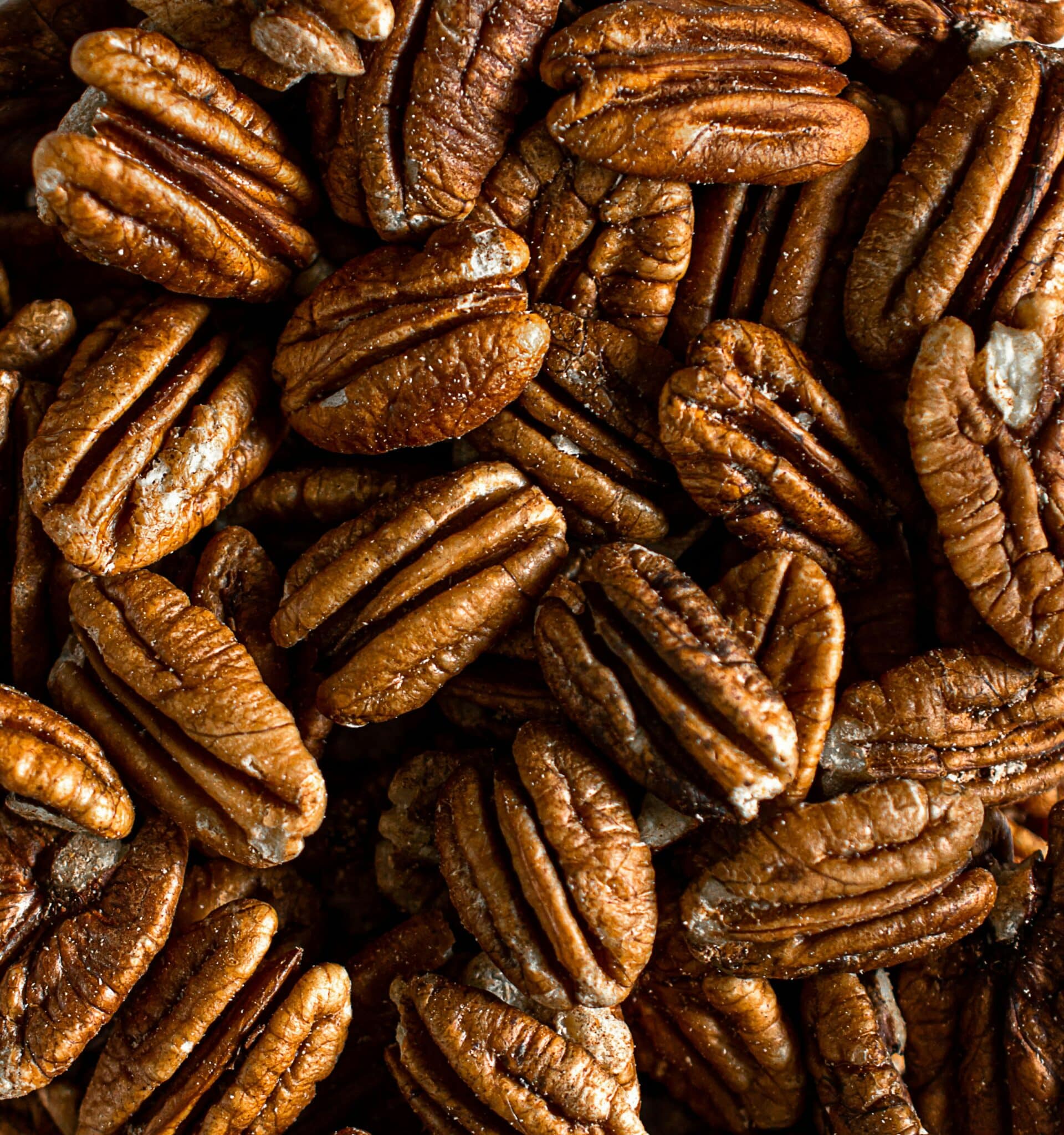

In early August 2025, the U.S. Food and Drug Administration (FDA) issued a Class I recall, its highest level of safety alert, for more than 32,000 pounds of pecans produced by Navarro Pecan Company due to potential Salmonella contamination. The recall affects multiple U.S. states, including Texas and Minnesota, as well as international markets in Italy and the United Arab Emirates. While no illnesses have been reported to date, health authorities are urging immediate action from consumers and retailers to prevent possible infections.
Understanding the Recall and Its Seriousness
A Class I recall is the FDA’s most urgent category, reserved for situations where there is a reasonable probability that consuming the product could cause serious health problems or death. This classification underscores the severity of the Salmonella risk in the recalled pecan products.
The recalled pecans were sold in a variety of packaging formats and may have been used as ingredients in other foods. Distribution records show the products were shipped to wholesale distributors, bakeries, and grocery stores, increasing the possibility of secondary exposure if the nuts were incorporated into baked goods, snacks, or bulk bins.
Salmonella: A Dangerous Pathogen
Salmonella is a common bacterial cause of foodborne illness in the United States, responsible for approximately 1.35 million infections, 26,500 hospitalizations, and 420 deaths each year, according to the Centers for Disease Control and Prevention (CDC).
Symptoms typically appear 6 hours to 6 days after infection and may include:
- Diarrhea
- Fever
- Abdominal cramps
- Nausea and vomiting
While most healthy adults recover within 4–7 days without treatment, Salmonella infections can be severe and even life-threatening for young children, older adults, pregnant women, and individuals with weakened immune systems. Complications such as bloodstream infections can require hospitalization.
Scope of the Recall
The FDA notice states that the recalled pecans were packaged and distributed between July 15 and July 29, 2025. Products may have been sold under the Navarro brand name or repackaged under private labels.
Distribution states include:
- Texas
- Minnesota
- Additional U.S. states through bulk shipments
International distribution to Italy and the UAE raises the possibility of cross-border recalls and warnings from foreign food safety authorities.
No Illnesses Reported As of Yet
As of the recall announcement, there have been no confirmed cases of Salmonella linked to Navarro pecans. However, food safety experts warn that absence of reported illness does not mean the product is safe, symptoms can take days to appear, and many people do not seek medical testing unless symptoms are severe.
Past outbreaks involving nuts and nut products have led to significant public health consequences. Because Salmonella can survive in low-moisture foods like pecans for extended periods, the bacteria remain a hazard even without visible spoilage.
Consumer Guidance: What to Do
The FDA advises consumers to:
- Check Your Pantry: Look for Navarro Pecan products or any unlabeled bulk pecans purchased in July or early August.
- Do Not Eat: If you suspect you have the recalled product, do not taste to check—Salmonella contamination cannot be detected by sight, smell, or taste.
- Dispose Safely: Seal the product in a plastic bag before throwing it away to prevent accidental contact.
- Clean Thoroughly: Wash and sanitize any surfaces, containers, or utensils that may have come into contact with the pecans to avoid cross-contamination.
- Monitor for Symptoms: Seek medical advice if you develop diarrhea, fever, or other symptoms after consuming pecans.
Industry and Regulatory Response
Navarro Pecan Company has reportedly halted distribution of the affected products and is cooperating fully with FDA investigators. The company is also conducting an internal review of production and sanitation procedures to determine how the contamination occurred.
The recall is part of a broader trend of increased oversight in nut production. In recent years, the FDA has emphasized preventive controls under the Food Safety Modernization Act (FSMA), requiring nut processors to implement hazard analysis and critical control points (HACCP) to reduce contamination risks.
Prevention and Lessons Learned
Although nuts are often considered low-risk compared to perishable foods, this recall serves as a reminder that no food is immune to contamination. Salmonella outbreaks have been linked to peanuts, pistachios, almonds, and cashews in past decades, prompting industry-wide investment in dry heat treatments and other pathogen reduction technologies.
Consumers can help reduce risk by:
- Storing nuts in a cool, dry place
- Washing hands before and after handling nuts
- Keeping raw nuts separate from ready-to-eat foods
- Following manufacturer handling and storage instructions
Final Note
With the Navarro pecan recall now in motion, the FDA will continue monitoring for reported illnesses and testing additional product samples. International partners in Italy and the UAE are expected to issue their own food safety alerts to protect local consumers.
For now, the key takeaway is clear: Check your pecans. Even if no one in your household is sick, discarding potentially contaminated products is the safest course of action.
