

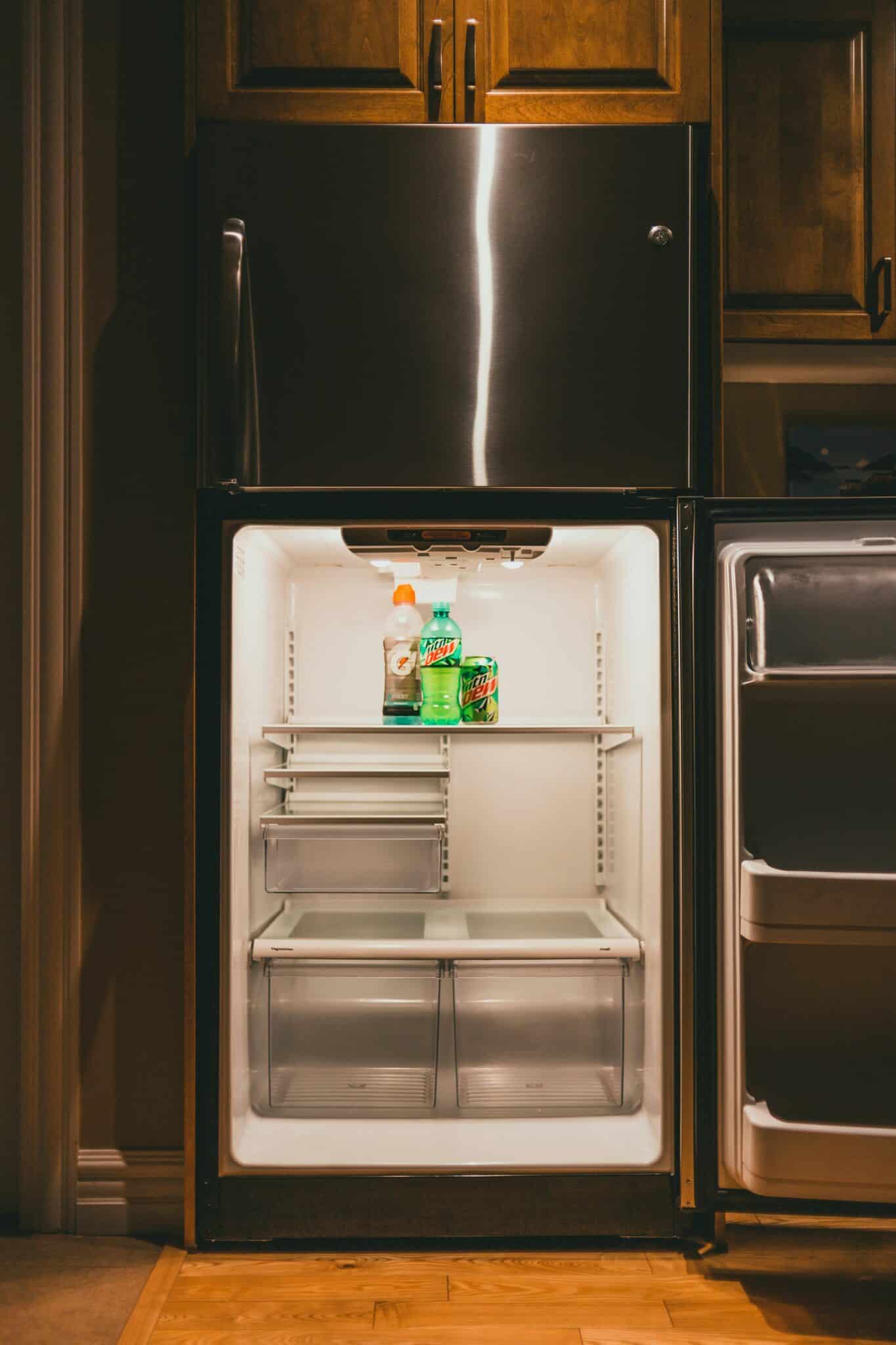

You trust your fridge to keep your food safe—but what if it’s actually making you sick? Behind the chilled shelves and frosty drawers, harmful bacteria like Salmonella, Listeria, and E. coli may be silently multiplying thanks to common storage mistakes and overlooked habits. While most people focus on restaurant meals or product recalls, the truth is that food poisoning often starts right at home—in your very own refrigerator.
When Cold Isn’t Cold Enough
Refrigeration slows bacterial growth—but only if your fridge is doing its job. According to the USDA, the safe temperature for your refrigerator is 40°F (4°C) or lower. Many households unknowingly operate fridges at 45°F or higher, especially older models or those packed too tightly.
That small difference matters. Some bacteria can double every 20 minutes at room temperature. While growth slows in the cold, it doesn’t stop completely once your fridge creeps past 40°F. To stay safe, place an appliance thermometer inside your fridge (ideally in the center, not the door) and check it regularly. Don’t rely on the built-in dial alone—it’s often inaccurate or vague.
Cross-Contamination Happens Behind Closed Doors
You probably wouldn’t cut raw chicken on the same board as your salad—but the same kind of contamination happens all the time in the fridge. Leaking meat packaging, poorly sealed containers, or placing produce near raw proteins are all common ways that dangerous bacteria can spread from one food to another.
The layout of your fridge matters. Always store raw meat, poultry, or seafood on the bottom shelf in leak-proof containers. Use separate drawers or zones for fruits and vegetables. Avoid letting ready-to-eat foods like yogurt, fruit, or deli meat come into contact with anything raw or dripping.
The Listeria Problem: Cold Isn’t a Cure-All
Unlike many bacteria, Listeria monocytogenes can survive—and even thrive—in cold temperatures. That means a clean-looking, cool fridge isn’t always a safe one. Listeria is particularly dangerous for pregnant women, older adults, and people with weakened immune systems. It’s been linked to serious outbreaks involving deli meats, cheeses, and even pre-cut fruits.
To minimize your risk, regularly clean your refrigerator shelves and drawers with warm, soapy water and disinfectant. Wipe up spills immediately, especially from raw meat packages or dairy products. And keep a close eye on expiration dates—Listeria loves older, moist, forgotten foods.
Real-Life Cases That Serve as a Warning
In early 2023, a Listeria outbreak tied to deli meats and cheeses stored in refrigerator display cases sickened multiple individuals in several states. Investigators found unsanitary conditions and poor fridge temperatures at deli counters, highlighting how cold environments can still foster outbreaks.
More recently in 2024, the FDA and CDC recalled multiple brands of refrigerated queso fresco and cotija cheese contaminated with Listeria. These soft cheeses—often consumed cold—were found to support bacterial growth in home fridges. While illnesses were fewer, the recall emphasized how easily Listeria can spread in refrigerated dairy and cautioned consumers to toss any recalled cheese and thoroughly sanitize storage areas.
Your Leftovers Have a Shelf Life
One of the biggest food safety mistakes people make is overestimating how long leftovers are safe to eat. Just because something looks and smells okay doesn’t mean it is.
Leftovers should be refrigerated within two hours of cooking and eaten within 3–4 days. Beyond that, bacterial growth becomes more likely. Label your leftovers with dates and try to follow a first-in, first-out system. When reheating, make sure the internal temperature hits 165°F throughout—not just in the center.
Don’t rely on the microwave alone. Stir food halfway through, use a food thermometer, and make sure cold spots don’t stay cold enough to keep bacteria alive.
Refrigerator Zones and Food Placement Matter
Not all parts of your fridge are equally cold. The back of the bottom shelf is often the coldest, while the door is the warmest. That’s why milk, eggs, or meat should never be stored in the door—it’s subject to temperature changes every time the fridge is opened.
Use the bottom shelf for raw meats (in sealed containers), middle shelves for leftovers and dairy, and drawers for produce (ideally with separate drawers for fruits and vegetables). Avoid overcrowding your fridge. When air can’t circulate freely, some zones may become too warm while others freeze, damaging the food and increasing risk.
The Danger of Dirty Drawers and Forgotten Foods
Even if your fridge is cold, expired or moldy food can contaminate surrounding items. Condensation and spills can create a breeding ground for bacteria—especially in vegetable crispers, meat drawers, and behind containers.
Set a reminder to deep-clean your fridge at least once a month. Toss expired items, scrub down shelves, and disinfect drawers. Use sealed containers for everything you can—open packaging is an invitation for bacteria and odor transfer.
Also, don’t let your fridge become a science experiment. That half-used jar of mayo from last summer? Toss it. If you can’t remember when you bought something, err on the side of caution.
Defrosting Done Wrong
One major mistake happens before food even makes it to the fridge: improper thawing. Defrosting meat on the counter allows the outer layer to reach dangerous temperatures while the center is still frozen. This creates perfect conditions for bacteria.
Instead, thaw food in the refrigerator, in cold water (changed every 30 minutes), or in the microwave if it will be cooked immediately after. Never leave raw meat or poultry out for more than two hours.
How to Stay Ahead of Risk
Here are a few quick habits to make your fridge safer:
- Keep it at or below 40°F
- Store raw meat on the bottom shelf
- Clean spills immediately
- Label leftovers with dates
- Reheat to 165°F
- Never store perishables in the door
- Defrost safely
- Clean your fridge monthly
Closing the Fridge Door, and the Safety Gap
Your fridge is more than just a storage space—it’s your first line of defense against foodborne illness. A few degrees, a few days, or a little drip in the wrong spot can be the difference between a safe snack and a hospital visit.
Refrigerators are designed to keep food fresh, but only when used properly. By learning and applying smart storage habits, you don’t just keep your groceries in order—you protect your health and the health of those you feed. So next time you open the fridge, take a closer look. Because safety starts with what’s chilling behind that door.
