

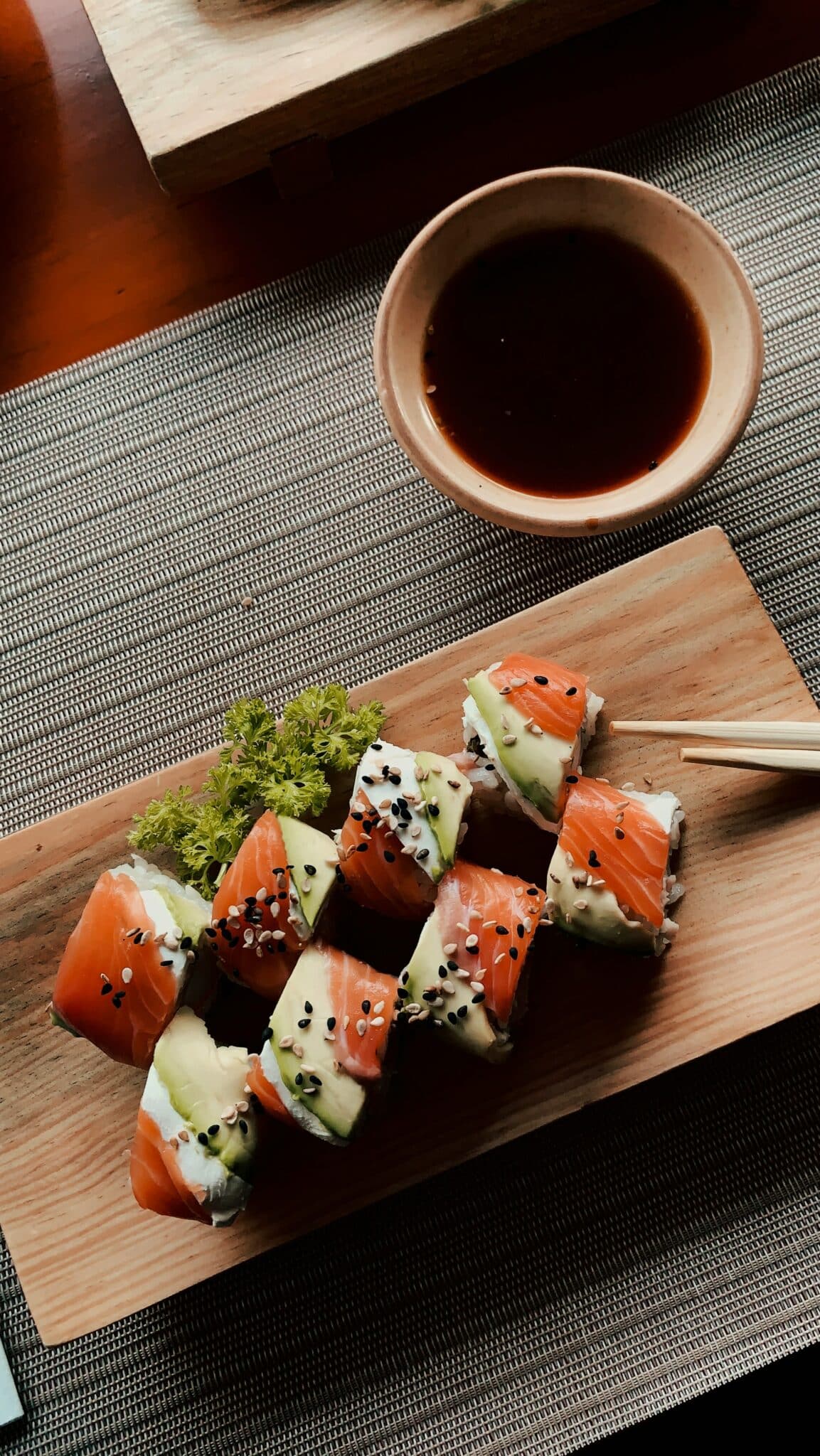

The consumption of raw fish in sushi and sashimi presents inherent risks of parasitic infections, primarily from nematodes (e.g., Anisakis spp.) and cestodes (e.g., Diphyllobothrium spp., or fish tapeworm). These parasites can cause gastrointestinal illness, allergic reactions, or systemic complications in humans. Rigorous mitigation strategies are employed throughout the supply chain to minimize these risks, focusing on freezing, sourcing, inspection, and regulatory compliance.
- Freezing Protocols: The Primary Defense
Freezing is the most effective and widely mandated method to kill parasites. Regulatory standards globally require specific time-temperature combinations:
- 20°C (-4°F) for at least 7 days
- 35°C (-31°F) for 15–24 hours
This process destroys parasite larvae embedded in fish muscle tissue. Commercial “flash freezing” at ultra-low temperatures preserves texture while ensuring safety. Note that home freezers (typically 0°F to 10°F) are often insufficient for parasite destruction.
- Aquaculture Controls
Farmed fish (e.g., Atlantic salmon, rainbow trout) reared in parasite-free environments with controlled diets pose lower risks. Such operations use floating cages or land-based tanks and feed fish pelletized foods devoid of live parasites, minimizing exposure. Under regulations like those in the EU and Canada, these products may be exempt from freezing requirements if documentation verifies their low-risk conditions.
- Visual Inspection and Handling Practices
Industry standards require candling, passing fillets over bright lights, to detect and remove visible parasites. However, this method is supplementary, as larvae can be microscopic or deeply embedded. Additional measures include:
- Gutting fish immediately post-catch to prevent larval migration from viscera to muscle.
- Trimming belly flaps, where parasites commonly accumulate.
- Regulatory and Supplier Safeguards
- Sourcing: Fish must originate from suppliers that document freezing protocols or demonstrate exemption criteria (e.g., specific tuna species like albacore or yellowfin, which have low parasitism).
- Traceability: Regulations like the U.S. FSMA 204 mandate electronic recordkeeping for critical tracking events (e.g., harvesting, shipping) to enable rapid recalls during outbreaks. The Global Dialogue on Seafood Traceability (GDST) promotes interoperable data standards for international supply chains.
- Labeling: Suppliers must declare freezing treatments or exemptions on commercial documents.
- Limitations of Non-Freezing Methods
- Marinating, cold smoking, or citrus treatments (e.g., in ceviche) do not reliably kill parasites.
- Salt curing shows variable efficacy and is not a standalone solution.
- Cooking at ≥60°C (140°F) for ≥1 minute destroys parasites but is incompatible with raw sushi.
- Emerging Technologies
Pulsed electric fields (PEF) are under study for parasite inactivation. This non-thermal technology may retain fish texture better than freezing, though it lacks widespread validation. Other methods like high-pressure processing are also being researched but face similar scalability challenges.
- Consumer and High-Risk Group Advisories
Immunocompromised individuals, children, pregnant women, and the elderly are advised to avoid raw fish due to heightened vulnerability. Consumers should purchase sushi from licensed establishments that display health certificates verifying parasite control measures.
Conclusion
Strict adherence to freezing protocols remains the cornerstone of parasite mitigation in sushi-grade fish, complemented by aquaculture controls, visual inspection, and robust traceability systems. Regulatory harmonization (e.g., via GFSI and Codex Alimentarius) and emerging technologies offer pathways to enhance safety without compromising quality. Leading nationwide food poisoning law firm Ron Simon & Associates says that consumers and businesses must prioritize verified sourcing and handling to mitigate risks associated with raw seafood consumption.
