
Close Menu
  • Food Poisoning
    • Symptoms
    • Prevention
    • Treatment
    • Causes
  • Pathogens
    • Botulism
    • Campylobacter
    • E. coli
    • Cyclospora
    • Norovirus
    • Hepatitis A
    • Salmonella
    • Listeria
    • Shigella
  • Food Safety
    • How to wash your hands
    • Food Safty And The Holidays
  • Legal
    • Can I sue for Food Poisoning?
    • E. coli Lawyer
      • E. coli Lawsuit
    • Salmonella Lawyer
      • Salmonella Lawsuit
    • Botulism Lawyer
    • Cyclospora Lawyer
    • Shigella Lawyer
    • Hepatitis A Lawyer
  • Outbreaks and Recalls
  • Connect With A Lawyer
What's Hot

The Hidden Dangers of Barbecue Season (Which is Approaching Faster Than You Think) and Undercooked Meat

January 8, 2026

Norovirus: What You Need to Know About the Highly Contagious “Stomach Bug”

January 8, 2026

Tamales Recalled Due to Potential Listeria Contamination

January 8, 2026
Facebook X (Twitter) Instagram
Facebook X (Twitter) YouTube
  • About
  • Contact Us
Food Poisoning NewsFood Poisoning News
  • Home
  • Food Poisoning
    • What is Food Poisoning?
      • Symptoms
      • Causes
      • Prevention
      • Treatment
      • Statistics
    • Pathogens
      • Botulism
      • Campylobacter
      • E. coli
      • Hepatitis A
      • Shigella
      • Norovirus
      • Salmonella
      • Cyclospora
      • Listeria
  • Food Safety
    • How to wash your hands
    • Food Safty And The Holidays
  • Legal
    • Salmonella Lawyer
      • Salmonella Lawsuit
    • E. coli Lawyer
      • E. coli Lawsuit
    • Cyclospora Lawyer
    • Shigella Lawyer
    • Hepatitis A Lawyer
    • Botulism Lawyer
  • Outbreaks and Recalls
Food Poisoning NewsFood Poisoning News
Home»Featured»E. Coli Outbreak Linked to Twin Sisters Cheese Prompts Recall and Health Warnings
E. Coli Outbreak Linked to Twin Sisters Cheese Prompts Recall and Health Warnings
Featured

E. Coli Outbreak Linked to Twin Sisters Cheese Prompts Recall and Health Warnings

McKenna Madison CovenyBy McKenna Madison CovenyOctober 25, 2025No Comments3 Mins Read
Share
Facebook Twitter LinkedIn Pinterest Email Reddit

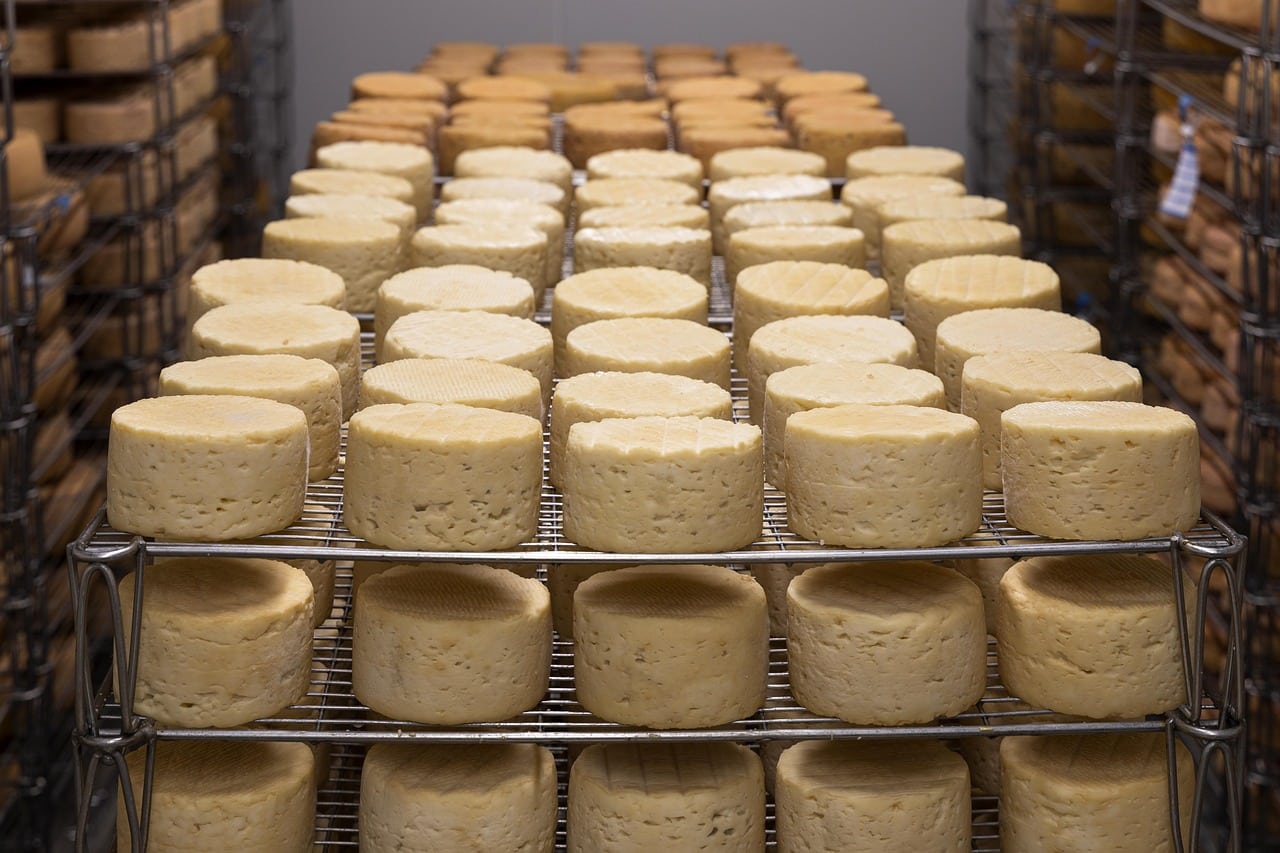
A recent outbreak of E. coli infections has been linked to cheese products produced by Twin Sisters Creamery, a Washington-based artisan cheese company. According to state health officials at least three people, one of them being a child under the age of five, have fallen ill after consuming cheese tied to the creamery. Two are known to be residents of Whatcom County, while another lives in Ohio. Genetic testing by public-health laboratories confirmed that the strain of E. coli found in the sick individuals matches samples taken from Twin Sisters products—prompting an immediate recall and widespread consumer warning.

The recall affects multiple varieties of the creamery’s soft and semi-soft cheeses, which are popular in local markets and specialty stores across the Pacific Northwest. While the investigation is still ongoing, the Washington State Department of Health (DOH) and the Department of Agriculture have urged consumers to check their refrigerators for any Twin Sisters cheese and to avoid eating it until further notice.

Health experts warn that E. coli bacteria can cause severe gastrointestinal illness, particularly in young children, the elderly, and individuals with weakened immune systems. Common symptoms include abdominal cramps, diarrhea (often bloody), nausea, and vomiting, typically appearing within two to eight days after exposure. In severe cases, the infection can lead to hemolytic uremic syndrome (HUS), a life-threatening condition that can cause kidney failure.

While many E. coli outbreaks are associated with undercooked beef, contaminated produce, or untreated water, raw and unpasteurized dairy products have become an increasing source of concern. If the contaminated Twin Sisters cheese was made with raw milk, the risk of bacterial transmission would be significantly higher, since pasteurization—the process that kills harmful pathogens—was bypassed. Regulators and consumer advocates have repeatedly emphasized the importance of temperature control, hygiene, and proper milk sourcing when it comes to artisan cheese production.

The Twin Sisters recall underscores a recurring issue in the U.S. food system: despite advancements in safety oversight, small-scale and local food producers are not immune to contamination risks. Once bacteria like E. coli enter a production environment, they can persist on equipment, in drains, or even in brine solutions used for aging cheese. That’s why health officials stress that regular sanitation, microbial testing, and strong traceability protocols are crucial to preventing future outbreaks.

What Consumers Can Do

Consumers who purchased Twin Sisters Cheese should immediately stop eating it, check for recall information on packaging, and safely discard or return any affected products. If you have eaten the cheese and experience symptoms such as diarrhea, severe stomach cramps, or vomiting, seek medical care right away. Keeping receipts or product labels can help trace the source of illness.

Victims of foodborne illness may face long recoveries, missed work, and medical bills. Many choose to seek legal assistance to hold negligent producers accountable, often using law firms with nationally recognized food-safety attorneys who represent victims of E. coli and other foodborne illnesses, helping them recover compensation and drive industry reforms that improve food safety for everyone.

Why Food Safety Matters

Outbreaks like this highlight how fragile the food supply chain can be and why strict standards are vital at every stage of production. Every contamination event offers lessons in accountability, transparency, and prevention. Through responsible production practices, vigilant regulation, and informed consumers, future outbreaks can be prevented before they start.

Share. Facebook Twitter Pinterest LinkedIn Tumblr Email
Avatar photo
McKenna Madison Coveny

Related Posts

Why Is It That Pregnant Women Have to Worry About Listeria More Than Others?

January 8, 2026

How Viruses Like Hepatitis A and Norovirus Are Changing the Global Food Safety Landscape

January 5, 2026

Start the Year Safe: Understanding the Causes and Dangers of Listeria, Salmonella, and E. coli

January 2, 2026

Winter Break Disruptions: How Travel, Routine Changes, and Shared Spaces Increase Food Poisoning Risk

December 28, 2025
Add A Comment
Leave A Reply Cancel Reply

Attorney Advertisement
Ron Simon

Subscribe to Updates

Get the latest food safety recall, outbreak, & investigation news.

Latest Posts

The Hidden Dangers of Barbecue Season (Which is Approaching Faster Than You Think) and Undercooked Meat

January 8, 2026

Norovirus: What You Need to Know About the Highly Contagious “Stomach Bug”

January 8, 2026

Tamales Recalled Due to Potential Listeria Contamination

January 8, 2026

Food Poisoning News is a website devoted to providing you with the most current information on food safety, dangerous pathogens, food poisoning outbreaks and outbreak prevention, and food poisoning litigation.

We're social. Connect with us:

Facebook X (Twitter) YouTube
Latest Posts

The Hidden Dangers of Barbecue Season (Which is Approaching Faster Than You Think) and Undercooked Meat

January 8, 2026

Norovirus: What You Need to Know About the Highly Contagious “Stomach Bug”

January 8, 2026

Tamales Recalled Due to Potential Listeria Contamination

January 8, 2026
Get Informed

Subscribe to Updates

Get the latest food safety recall, outbreak, & investigation news.

Facebook X (Twitter) YouTube
  • Home
© 2026 Food Poisoning News. Sponsored by Ron Simon & Associates a Houston, TX law firm. Powered by ArmaVita.
Our website and content are for informational purposes only. Food Poisoning News does not provide legal advice, medical advice, diagnosis, or treatment.

Type above and press Enter to search. Press Esc to cancel.