

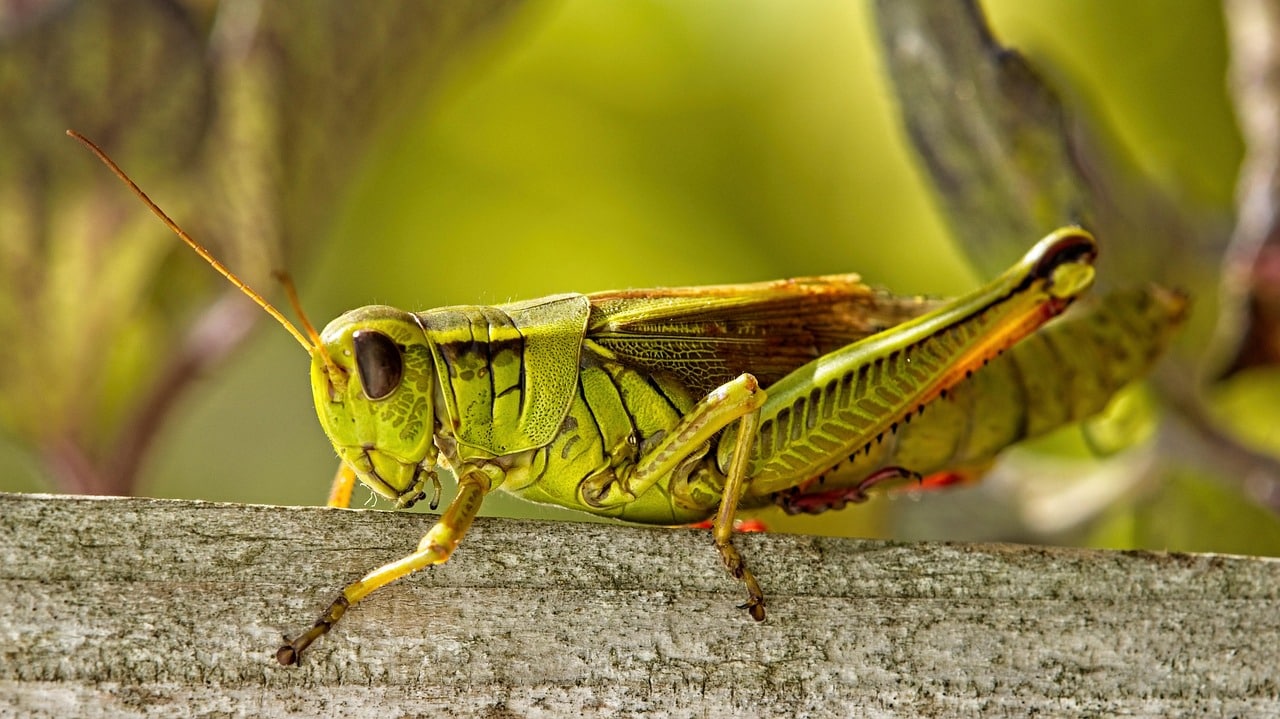

Edible insects are gaining popularity as a sustainable protein source. From cricket flour energy bars to roasted grasshoppers sold at sports stadiums, they’re being marketed as eco-friendly and nutritious. But while insects may be the future of food, they also carry underreported food poisoning risks.
Unlike traditional livestock, insects are not yet regulated to the same degree in many countries, including the U.S. This regulatory gap means there are fewer standards for raising, processing, and distributing edible bugs. Pathogens like Salmonella, E. coli, and even parasites can contaminate insect products during farming or processing.
Moisture content adds another layer of risk. Many insects are dried or powdered, but if not processed correctly, residual moisture can encourage bacterial growth or mold contamination. Mycotoxins from molds are a particular concern, as they can cause long-term health effects beyond short-term food poisoning symptoms.
Cross-contamination is another overlooked issue. Insects raised on waste products or in unsanitary environments may accumulate heavy metals or harmful bacteria, which then make their way into consumer products. Allergic reactions also complicate the picture, as insect proteins can trigger severe responses similar to shellfish allergies.
Consumers who fall ill after eating contaminated insect products may not even realize the source, since insect-based foods are often hidden in flours, powders, or snack mixes. When illnesses occur, victims often turn to food poisoning attorneys to help trace liability across this new and still-murky industry. Legal pressure may become a driving force in shaping regulations for edible insects.
For those curious about trying insect-based foods, experts recommend purchasing only from trusted, well-reviewed suppliers and avoiding products without clear labeling or storage instructions.
For the latest developments and outbreak updates in this emerging sector, consumers can consult both this source and the Center for Disease Control and Prevention (CDC). Edible insects may hold promise as a sustainable food source, but without stricter oversight, they also represent a frontier of food poisoning risks waiting to be addressed.
