


Egg Substitutes and Plant-Based Mayo: Do They Eliminate Salmonella Risks?
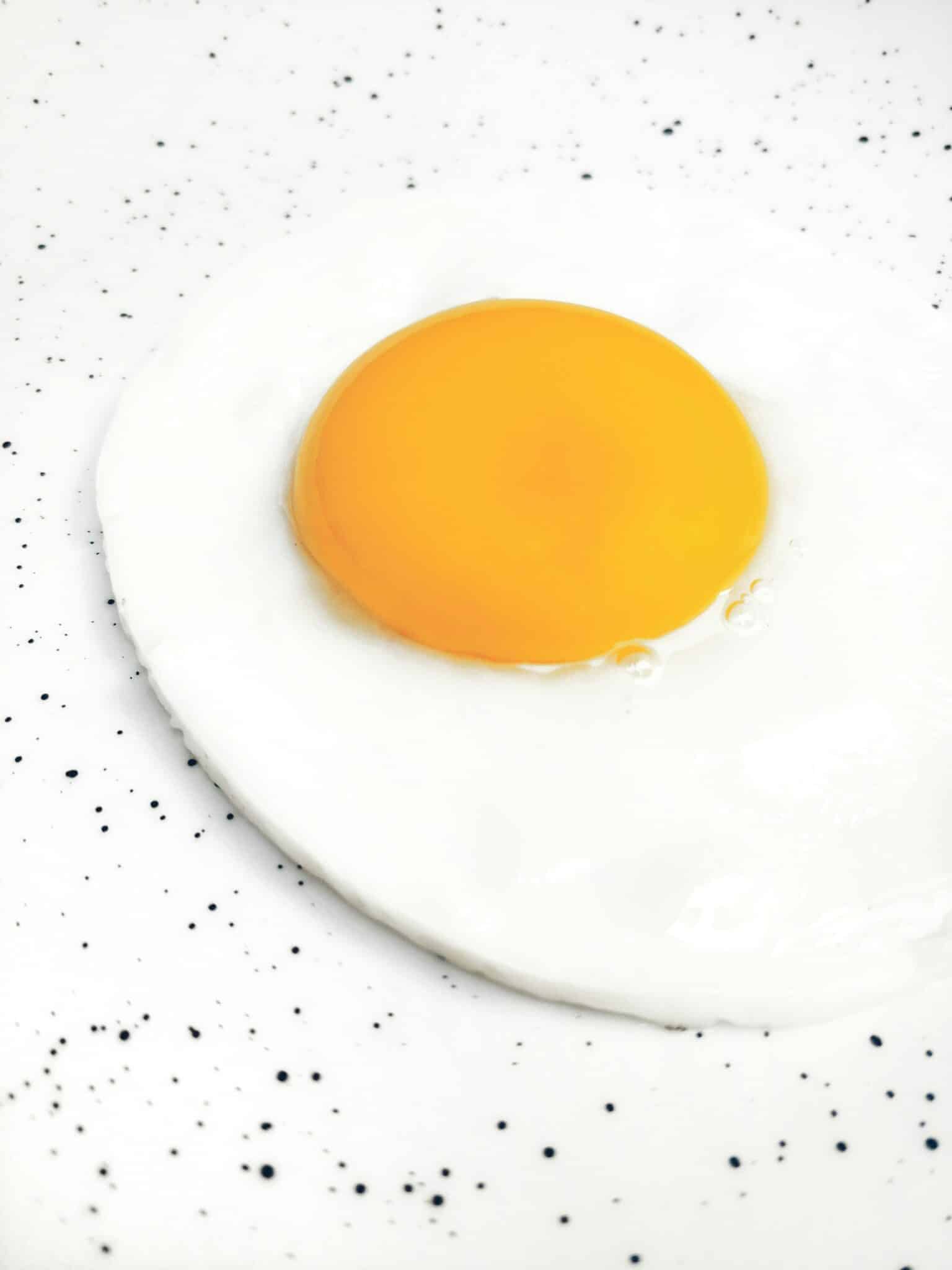
Eggs have long been a staple in cooking, baking, and food preparation, but they also carry a well-documented risk of Salmonella. The bacterium can be found inside eggs or on their shells, and improper handling or consumption of raw or undercooked eggs has led to countless foodborne illness outbreaks. As plant-based eating grows in popularity, many consumers have turned to egg substitutes and plant-based mayonnaise as seemingly safer options. The question remains whether these alternatives completely eliminate salmonella risks or simply replace one set of concerns with another.
Why Eggs Pose a Salmonella Risk
Salmonella enteritidis is the most common strain associated with eggs. Contamination can occur when bacteria infect the reproductive organs of hens, allowing eggs to become tainted before the shell even forms. This makes it impossible to detect contamination from appearance alone. While refrigeration and pasteurization reduce risks, eggs remain a significant source of salmonella outbreaks worldwide. Dishes that rely on raw or lightly cooked eggs, such as homemade mayonnaise or mousse, are particularly risky.
The Rise of Egg Substitutes
Egg substitutes are now widely available in both commercial and homemade forms. Options include liquid plant-based replacements made from mung beans, chickpeas, or soy protein, as well as powdered versions derived from starches and pea protein. For baking, simple household items such as applesauce, flaxseed meal, or yogurt often stand in for eggs. These substitutes appeal not only to vegans and those with allergies but also to consumers concerned about food safety. Since they contain no animal products, they do not carry the same inherent salmonella risk as raw eggs.
Plant-Based Mayonnaise on the Market
Traditional mayonnaise relies on raw egg yolks emulsified with oil and an acid like lemon juice or vinegar. This combination, if not refrigerated or prepared under strict conditions, can allow bacteria to thrive. Plant-based mayonnaise eliminates eggs entirely, using alternatives such as aquafaba, soy protein, or modified food starches to create the same creamy texture. Many brands are shelf stable until opened, and some also incorporate preservatives to reduce microbial growth. In theory, these products sidestep the egg-associated risk of salmonella contamination.
Do They Eliminate Salmonella Risk?
Plant-based egg substitutes and vegan mayonnaise do remove the specific risk of salmonella that comes from raw or undercooked eggs. Without eggs as an ingredient, there is no natural reservoir for the bacteria to enter during production. However, this does not mean that these products are immune from contamination altogether. Other bacteria such as Listeria monocytogenes or E. coli can enter the supply chain if ingredients are not processed or stored correctly. Contamination can also occur during manufacturing or after packaging if hygiene standards slip.
Storage and Handling Still Matter
Even egg-free products require proper storage and handling to remain safe. Plant-based mayonnaise that is opened and left unrefrigerated can support bacterial growth just like traditional versions. Homemade vegan mayonnaise, especially if made without preservatives, can spoil quickly if not kept cold. Egg substitutes also vary in formulation, and those with higher water content are more susceptible to microbial growth if left at room temperature. Safe handling practices, including refrigeration and adherence to expiration dates, remain essential.
Consumer Misconceptions
A common misconception is that egg-free means worry-free. Many consumers assume that plant-based substitutes carry no food safety concerns, which may lead to lax handling practices. While these products reduce the risk of salmonella specifically, they do not eliminate all foodborne illness hazards. The same level of caution applied to animal-based foods should be extended to plant-based alternatives to prevent outbreaks and illness.
The Role of Food Producers
Manufacturers of egg substitutes and plant-based mayonnaise must still comply with food safety regulations. Many use heat treatment, high-pressure processing, or preservatives to prevent microbial contamination. Quality control testing is another important safeguard. As the popularity of plant-based products grows, producers are under increased scrutiny to ensure that alternatives meet both consumer expectations for safety and regulatory standards.
Making Informed Choices
Consumers who want to avoid salmonella risks may find plant-based substitutes to be a reliable alternative. They are particularly useful in recipes that would otherwise call for raw eggs, such as Caesar dressing or homemade aioli. However, buyers should remain mindful of storage guidelines, look for products from reputable brands, and avoid keeping opened containers for too long. Reading labels and following expiration dates can help reduce risks of illness.
Final Note
Egg substitutes and plant-based mayonnaise do provide a safer option when it comes to salmonella, since they eliminate eggs from the equation. Still, they are not completely free of food safety concerns. Proper storage, safe handling, and responsible production remain critical to ensuring that these products do not carry other microbial hazards. Choosing egg-free alternatives can lower risk, but food safety is never as simple as substituting one ingredient for another.
