

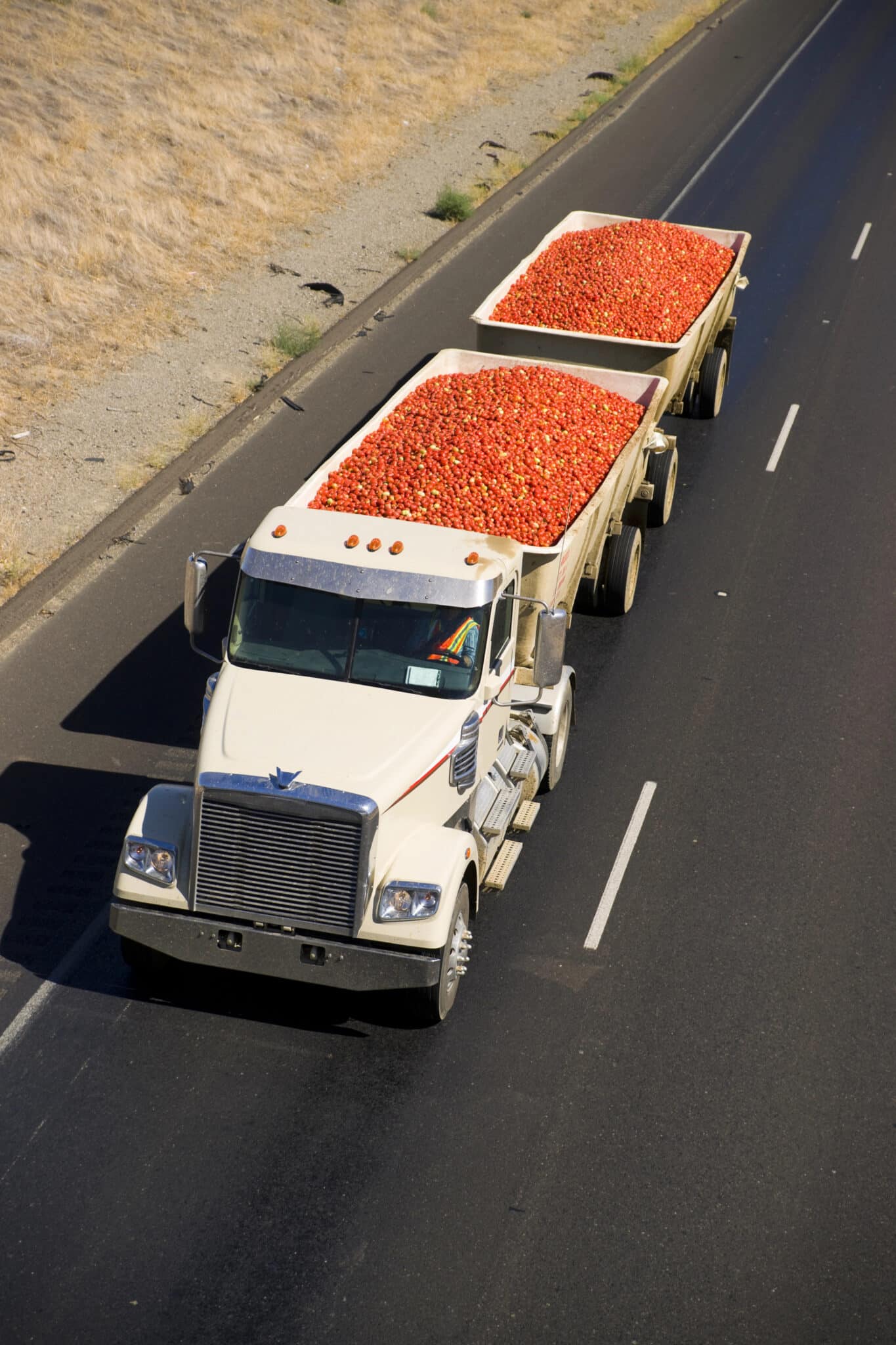

Foodborne pathogens pose significant health risks, potentially leading to illnesses, hospitalizations, and even fatalities. Preventing or eliminating these pathogens during food transportation and delivery is critical to maintaining public health. This challenge is particularly relevant in today’s globalized world, where food travels long distances and crosses multiple checkpoints before reaching consumers. From farm to table, there are numerous opportunities for contamination, making the need for strict control measures essential at each stage of the supply chain.
In this essay, we will explore the types of foodborne pathogens, the risks associated with food transportation and delivery, and the various preventive measures that can be implemented to mitigate these risks. We will also consider how emerging technologies and best practices can play a pivotal role in reducing the incidence of foodborne illnesses caused by pathogens during transport.
Overview of Foodborne Pathogens
Foodborne pathogens are microorganisms such as bacteria, viruses, and parasites that can cause illness when ingested. Some of the most common foodborne pathogens include:
- Salmonella: Often found in poultry, eggs, and meat, Salmonella can cause severe gastrointestinal illness.
- Escherichia coli (E. coli): Certain strains of E. coli, especially E. coli O157, can lead to severe food poisoning. Contamination typically arises from undercooked beef, raw milk, or produce.
- Listeria monocytogenes: This pathogen is particularly dangerous for pregnant women, newborns, and individuals with weakened immune systems. It can grow even in refrigerated environments, making it a significant risk during food storage and transportation.
- Norovirus: This highly contagious virus is often linked to contaminated water, seafood, and produce.
- Campylobacter: Often found in raw or undercooked poultry, Campylobacter can cause diarrhea, fever, and cramps.
- Clostridium botulinum: This bacterium produces a toxin that causes botulism, a life-threatening illness often linked to improperly canned or preserved foods.
These pathogens can enter the food supply at various stages, including during transportation and delivery, where conditions such as improper temperature control, poor hygiene, and cross-contamination can facilitate their growth.
Risks During Transportation and Delivery
The transportation and delivery phases of the food supply chain are particularly vulnerable to contamination for several reasons:
- Temperature Abuse: Many foodborne pathogens thrive at temperatures between 40°F and 140°F (the “danger zone”). If perishable foods are not kept at appropriate temperatures during transport, these pathogens can multiply rapidly. This is especially problematic for meat, dairy products, and seafood, which are highly susceptible to temperature fluctuations.
- Cross-Contamination: Cross-contamination can occur when pathogens from one food item are transferred to another, either directly or through contaminated surfaces, packaging, or handling equipment. For example, raw meat juices can drip onto fresh produce if proper separation is not maintained during transport.
- Poor Sanitation: Inadequate cleaning of transportation vehicles, storage containers, and handling equipment can lead to the accumulation of pathogens, which can then contaminate subsequent food loads. Proper sanitation practices are essential to preventing this.
- Improper Handling: Human error, such as failing to wash hands after handling raw food or neglecting to follow proper hygiene protocols, can introduce pathogens into the food supply during loading, unloading, and delivery processes.
- Extended Transport Times: As global food distribution networks expand, transport times increase, providing more opportunities for pathogens to proliferate if temperature and hygiene controls are not rigorously maintained.
- Poor Packaging: Inadequate or damaged packaging can expose food to the environment, increasing the risk of contamination. Packaging that fails to maintain a barrier between food and external contaminants is a significant risk factor during transportation.
Preventive Measures
To prevent foodborne pathogens from contaminating food during transportation and delivery, it is essential to adopt comprehensive preventive measures. These measures can be divided into several categories: temperature control, sanitation, handling practices, packaging, and technological innovations.
1. Temperature Control
Maintaining proper temperature control during transportation is one of the most critical factors in preventing the growth of foodborne pathogens. Perishable foods, such as meat, dairy, seafood, and certain fruits and vegetables, must be transported in refrigerated or frozen environments.
- Refrigerated Transport: Trucks and containers used for transporting perishable food should be equipped with reliable refrigeration systems. These systems should be regularly maintained and monitored to ensure they are operating at the correct temperature.
- Temperature Monitoring: Continuous temperature monitoring systems can help track food temperatures throughout the transportation process. These systems provide real-time alerts if temperatures exceed safe limits, allowing for immediate corrective action. Data loggers or sensors can be placed within food containers to monitor the temperature during transit.
- Cold Chain Integrity: The cold chain—the unbroken chain of refrigerated storage and transport—must be maintained from the point of origin to the final destination. This requires coordination between all parties involved in the supply chain, including manufacturers, transporters, and retailers.
2. Sanitation Practices
Sanitation is another critical factor in preventing foodborne pathogens during transportation. Effective cleaning and sanitation protocols must be followed to minimize the risk of contamination.
- Vehicle Cleaning: Transportation vehicles should be thoroughly cleaned and sanitized between loads to prevent the transfer of pathogens from one shipment to the next. This includes cleaning all surfaces that come into contact with food, such as shelves, floors, and walls.
- Container and Equipment Cleaning: All containers and handling equipment, such as pallets, crates, and forklifts, should be regularly cleaned and sanitized to prevent the accumulation of pathogens. Containers should be designed for easy cleaning and disinfection.
- Handwashing and Personal Hygiene: Workers involved in food transport and delivery must follow strict personal hygiene practices, including regular handwashing and the use of gloves or other protective gear when necessary. Hand sanitizing stations should be available at all loading and unloading points.
3. Proper Handling Practices
Proper food handling practices can significantly reduce the risk of contamination during transportation and delivery.
- Separation of Foods: Raw and cooked foods should be transported separately to prevent cross-contamination. For example, raw meats should be kept away from fresh produce, and different compartments should be used for each type of food.
- Minimizing Handling: Reducing the number of times food is handled during transportation can lower the risk of contamination. Automated systems for loading and unloading food can help minimize human contact with food products.
- Training: Workers involved in food transportation should receive regular training on food safety practices, including how to handle food to prevent contamination. This training should cover proper hygiene, temperature control, and cleaning procedures.
4. Packaging Solutions
Packaging plays a key role in protecting food from contamination during transportation. Effective packaging solutions can help prevent exposure to pathogens and ensure that food remains safe during transit.
- Sealed Packaging: Food should be packaged in sealed, airtight containers to prevent exposure to the environment. Vacuum packaging and modified atmosphere packaging (MAP) can help extend the shelf life of perishable foods by reducing the presence of oxygen, which can promote bacterial growth.
- Tamper-Evident Packaging: Using tamper-evident packaging can help ensure that food is not compromised during transport. This type of packaging provides a visible indication if the package has been opened or tampered with.
- Durable Packaging: Packaging materials should be durable enough to withstand the rigors of transportation without breaking or leaking. Damaged packaging can expose food to pathogens and other contaminants.
5. Technological Innovations
Technology is playing an increasingly important role in preventing foodborne pathogens during transportation and delivery. Several emerging technologies can help enhance food safety and reduce the risk of contamination.
- Blockchain for Traceability: Blockchain technology allows for greater transparency and traceability throughout the food supply chain. By using blockchain, companies can track food products from the farm to the consumer, ensuring that proper safety protocols are followed at each stage. In the event of a contamination outbreak, blockchain can help identify the source of the problem more quickly and accurately.
- Automated Temperature Monitoring Systems: Advanced temperature monitoring systems equipped with artificial intelligence (AI) and machine learning can predict potential temperature excursions and provide real-time alerts. These systems can also automate corrective actions, such as adjusting refrigeration settings or rerouting shipments.
- Sanitizing Technologies: New sanitizing technologies, such as ultraviolet (UV) light and ozone treatment, can help disinfect food and packaging during transportation. These technologies are particularly useful for high-risk foods, such as produce, which are often consumed raw.
- IoT Sensors: Internet of Things (IoT) sensors can be placed in food containers to monitor various environmental conditions, including temperature, humidity, and light exposure. These sensors can transmit real-time data to a central monitoring system, allowing for immediate intervention if conditions become unsafe.
Conclusion
Preventing foodborne pathogens during food transportation and delivery is a complex but essential task that requires a multi-faceted approach. From temperature control and sanitation to proper handling and packaging, each stage of the transportation process must be carefully managed to reduce the risk of contamination.
By implementing best practices and leveraging technological innovations, food producers, transporters, and retailers can significantly reduce the risk of foodborne illnesses. The key to success lies in maintaining a strong commitment to food safety, from farm to table, ensuring that consumers receive safe, pathogen-free food products.
As the food industry continues to evolve and global supply chains expand, the importance of food safety during transportation and delivery will only grow. By staying ahead of emerging threats and continuously improving preventive measures, we can safeguard public health and build a more resilient food system.
