

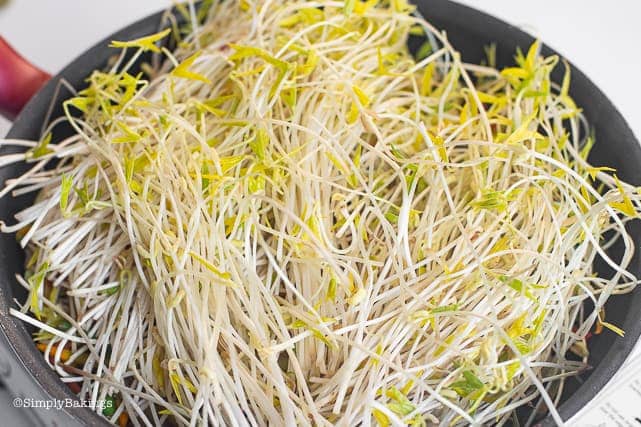

Federal health authorities are investigating a multistate outbreak of Shiga toxin-producing E. coli (STEC) and Salmonella infections linked to alfalfa sprouts distributed by Everything Sprouts, LLC of Minneapolis, Minnesota. The outbreak, which has sickened at least 55 people across 15 states, involves multiple pathogens simultaneously, an occurrence that has complicated the investigation and raised questions about contamination pathways in sprout production.
Outbreak Scope and Case Counts
As of August 21, 2026, the Food and Drug Administration (FDA) and the Centers for Disease Control and Prevention (CDC) have reported a total of 55 confirmed cases across 15 states. The affected states include Florida, Indiana, Iowa, Kansas, Michigan, Minnesota, New Hampshire, New York, North Carolina, North Dakota, Pennsylvania, South Carolina, South Dakota, Washington, and Wisconsin.
The case breakdown reveals an unusual pattern of co-infection: 46 people were infected with Shiga toxin-producing E. coli, 7 people were infected with Salmonella, and 2 individuals were infected with both pathogens simultaneously. The E. coli strains identified include multiple serotypes: O26:H11, O103:H25, and O168:H8, along with a single strain of Salmonella Agona.
Illness onset dates range from May 31, 2026, to August 8, 2026. Of the 48 patients with available information, 4 have been hospitalized, representing approximately 8% of cases. No deaths have been reported.
The true number of illnesses is likely substantially higher than the reported figure. Many people recover without seeking medical care and are never tested for Salmonella or E. coli. Additionally, it typically takes three to four weeks to determine whether a sick person is part of an outbreak, meaning recent illnesses may not yet be reflected in official counts.
Demographic Profile of Cases
The CDC has released demographic data on the affected individuals. Among the 55 cases, ages range from 12 to 94 years, with a median age of 34. The gender distribution shows 73% female and 27% male. The racial breakdown indicates 98% White and 2% Black or African American, while ethnic distribution shows 98% non-Hispanic and 2% Hispanic.
Epidemiological Investigation
State and local public health officials have conducted interviews with ill individuals regarding foods consumed in the week before symptom onset. Of the 34 people interviewed, 26, or 76%, reported eating alfalfa sprouts. This percentage is significantly higher than the 8.7% of respondents in the FoodNet Population Survey who reported eating any sprouts, including alfalfa, bean, or clover. This statistical disparity provides strong epidemiological evidence linking the outbreak to alfalfa sprouts.
Traceback investigations conducted at restaurants and grocery stores have identified alfalfa sprouts distributed by Everything Sprouts, LLC as a source of illness in this outbreak. Traceback information from Minnesota and Wisconsin restaurants specifically identified alfalfa sprouts distributed by the company. The products are sold under the Calco and Everything Sprouts brands at retailers and grocery stores.
Some ill people were also identified as part of illness clusters, defined as two or more people who do not live in the same household who report eating at the same restaurant location, attending a common event, or shopping at the same grocery store in the week before becoming sick.
Product Recall
On August 21, 2026, Everything Sprouts, LLC issued a voluntary recall of certain lots of alfalfa sprouts. The recalled products were distributed from May 27, 2026, to August 21, 2026, to wholesale distributors and grocery stores located in Minnesota and Wisconsin.
The recalled products are packaged in individual 5-ounce plastic containers bearing bar codes 860014523113, 860014523120, and 850079470149. Affected products include Alfalfa 6/5oz and Alfalfa 12/6/5oz packages with lot numbers 222, 223, 225, 226, and 230. The same alfalfa sprouts were also used in Everything Sprouts Crunchy Protein Sprout Mix 5oz cups (lot numbers 222, 223, 226, 230) and Zesty Garlic Mix cups (lot numbers 222, 223, 225, 226, and 230).
The company stated it continues to work closely with public health officials to investigate the source of contamination.
Regulatory History and Prior Violations
The FDA had previously warned Everything Sprouts of “serious violations” following an inspection conducted at its facility from October 30 through November 14, 2024. The inspection revealed mung bean, soybean, and green sprout products “have been prepared, packed, or held under insanitary conditions whereby they may have become contaminated with filth, or whereby they may have been rendered injurious to health.”
FDA investigators observed the roof leaking through ceiling tiles in the production room, with water dripping onto totes of cooled, exposed mung bean sprouts as pallets were transferred through the area for packaging. On another date, investigators observed a roof leak in the warehouse, with water dripping near a rack of clean smocks prepared to be worn by employees directly in contact with covered produce. Investigators also observed condensate dripping from condenser units inside in-process and finished product coolers storing mung bean sprouts.
On August 19, 2026, the FDA initiated an inspection and sample collection at Everything Sprouts, LLC, recommending that the company conduct a recall. The investigation remains ongoing to determine the source of contamination and whether additional products or firms are linked to illnesses.
Symptoms and Health Risks
Shiga toxin-producing E. coli (STEC) infections typically cause severe stomach cramps, diarrhea (which may become bloody), and vomiting. Symptoms generally begin anywhere from a few days after consuming contaminated food up to nine days later. Some infections can lead to life-threatening conditions, including hemolytic uremic syndrome (HUS), a type of kidney failure that can also result in high blood pressure, chronic kidney disease, and neurologic problems. Children under five, the elderly, and immunocompromised individuals are at greatest risk for developing HUS.
Salmonella infection typically causes illness within 12 to 72 hours after consuming contaminated food, with symptoms including diarrhea, fever, and abdominal cramps that usually last four to seven days. Children younger than five, adults 65 and older, and people with weakened immune systems are more likely to experience severe infections.
Historical Context: Sprouts and Foodborne Illness
The current outbreak is part of a long history of sprout-associated foodborne illness in the United States and internationally. Sprouts present a unique food safety challenge because the warm, humid conditions required for seed germination are also ideal for bacterial growth. Pathogens can become internalized within the sprout tissue, making them difficult to remove through washing alone.
The CDC has documented that since 1996, there have been 52 reported outbreaks of foodborne illness associated with contaminated sprouts in the United States. Most of these outbreaks have been caused by Salmonella and E. coli infections. From 1998 to 2010 alone, the CDC identified 33 outbreaks from seed and bean sprouts, including 28 caused by Salmonella, four by Shiga toxin-producing E. coli, and one by Listeria.
One of the earliest documented sprout-associated outbreaks in the United States occurred in 1995, when sprouts were determined to have caused an international outbreak of Salmonella Stanley affecting persons in more than 17 states and Finland. A 1988 outbreak of Salmonella Saintpaul in Europe was linked to mung bean sprouts.
The largest sprout-associated outbreak in U.S. history prior to 2026 occurred in 2009, when 235 people in 14 states were infected with a strain of Salmonella Saintpaul linked to raw alfalfa sprouts. That outbreak, while larger in case count, involved a single pathogen rather than the multiple strains and co-infections seen in the current investigation.
Internationally, the largest recorded sprout-associated outbreak occurred in Japan in 1996, when radish sprouts contaminated with E. coli O157:H7 affected more than 9,000 people and led to 11 deaths. In 2011, a German outbreak linked to contaminated sprouted seeds resulted in 909 cases of hemolytic uremic syndrome and 52 deaths.
California experienced multiple sprout-associated outbreaks between 1996 and 1998, including five outbreaks of salmonellosis and one outbreak of nonmotile Shiga toxin-producing E. coli O157.
More recently, in December 2022, SunSprout Enterprises recalled four lots of raw alfalfa sprouts following a Salmonella outbreak investigation.
Unique Characteristics of the Current Outbreak
The 2026 outbreak is notable for several reasons. First, it involves multiple pathogens simultaneously, three distinct strains of E. coli and one strain of Salmonella. Some individuals were infected with more than one outbreak strain. The CDC has noted that it has occasionally investigated multi-pathogen multistate outbreaks, citing a 2019 multi-pathogen gastrointestinal illness outbreak linked to oysters as a previous example. This pattern of co-infection and multi-pathogen contamination is relatively rare in foodborne outbreak investigations.
Second, the outbreak has been linked to a grower with a documented history of food safety violations. The FDA’s 2024 inspection identified significant sanitation issues at the facility, suggesting that the contamination may have been preventable.
Third, the outbreak has a prolonged duration, with illness onset dates spanning more than two months from May 31 through August 8. This extended timeline may indicate ongoing contamination or multiple production cycles affected.
Public Health Recommendations
The FDA and CDC have issued the following recommendations for consumers, retailers, and foodservice establishments:
- Do not eat, sell, or serve alfalfa sprouts sold under the Calco and Everything Sprouts brands.
- Check refrigerators and freezers for affected products and discard them or return them to the place of purchase.
- If a product was frozen without original packaging and cannot be identified, discard it.
- Carefully clean and sanitize any surfaces or containers that may have come into contact with the affected sprouts to reduce cross-contamination risk.
- Retailers that received affected sprouts and repackaged them should remove the products from the market.
- Individuals who have consumed affected sprouts and develop symptoms, including diarrhea with a fever higher than 102°F, diarrhea lasting more than two days, bloody diarrhea, vomiting that prevents keeping liquids down, or signs of dehydration, should consult their healthcare provider immediately.
Investigation Status
The FDA’s investigation remains active and ongoing. The agency is working to determine the source of contamination and whether additional products or firms are linked to illnesses. The FDA is also working to determine whether there is a common seed supplier. The CDC and public health officials in multiple states continue to collect epidemiological data and interview ill individuals.
The outbreak has been reported across 15 states, though the CDC has noted that the outbreak may not be limited to states with known illnesses. As the investigation continues, additional cases and affected states may be identified.
