

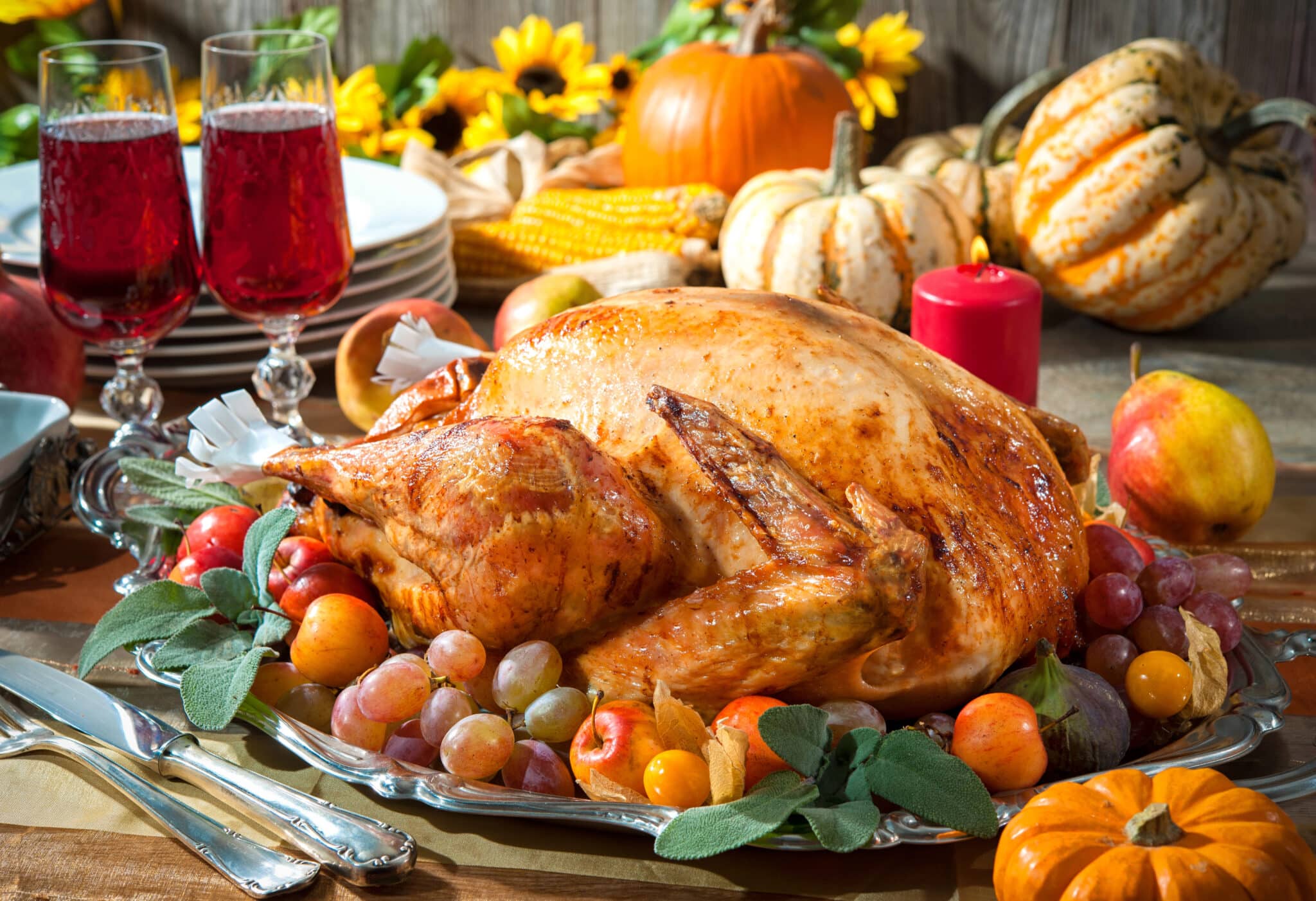

Tips for Ensuring a Food-Poisoning-Free Holiday Season for You and Your Family
The holiday season is a time for joy, togetherness, and sharing delicious meals with loved ones. However, it can also be a prime time for foodborne illnesses if proper precautions are not taken. With large gatherings, intricate meal preparations, and the hustle and bustle of festivities, food safety can sometimes take a backseat. Here are comprehensive tips to help ensure a food-poisoning-free holiday season for you and your family.
1. Practice Proper Hand Hygiene
- Wash Hands Thoroughly: Before handling any food, wash your hands with soap and warm water for at least 20 seconds. This is especially important after touching raw meat, poultry, seafood, or eggs.
- Encourage Guests to Wash Hands: Provide easy access to handwashing stations with soap and disposable towels to ensure everyone follows good hygiene practices.
- Use Hand Sanitizers: If handwashing facilities are not immediately available, use an alcohol-based hand sanitizer until you can wash properly.
2. Keep Workspaces Clean and Sanitized
- Sanitize Surfaces: Clean countertops, cutting boards, and utensils with hot, soapy water after each use. Follow up with a disinfectant to kill bacteria.
- Use Separate Cutting Boards: Avoid cross-contamination by using separate cutting boards for raw meats, poultry, and seafood and another for fruits, vegetables, and cooked foods.
- Replace Worn Cutting Boards: If your cutting boards are heavily scratched or worn, consider replacing them as bacteria can harbor in cracks.
3. Maintain Proper Food Temperatures
- Cook to Safe Internal Temperatures:
- Poultry (e.g., turkey, chicken): 165°F (74°C)
- Beef, pork, lamb (steaks, chops, roasts): 145°F (63°C) with a three-minute rest time
- Ground meats: 160°F (71°C)
- Fish and shellfish: 145°F (63°C)
- Use a Food Thermometer: Always use a food thermometer to ensure food reaches the correct internal temperature. Avoid relying on visual cues like color or texture.
- Keep Cold Foods Cold: Store perishable items at 40°F (4°C) or below. Use coolers with ice packs if refrigeration space is limited.
- Keep Hot Foods Hot: Maintain hot dishes at 140°F (60°C) or above. Use chafing dishes, slow cookers, or warming trays for buffets.
4. Be Cautious with Holiday Buffets
- Follow the Two-Hour Rule: Do not leave perishable foods at room temperature for more than two hours. After this time, harmful bacteria can multiply quickly.
- Use Smaller Portions: Serve food in smaller portions and refill as needed to minimize the time food spends at room temperature.
- Provide Serving Utensils: Encourage guests to use designated serving utensils to prevent contamination from hands.
5. Handle Leftovers Safely
- Cool Quickly: Refrigerate leftovers within two hours of serving to prevent bacteria growth.
- Use Shallow Containers: Store leftovers in shallow containers to help them cool quickly and evenly.
- Label and Date Leftovers: Clearly label leftovers with the preparation date to avoid confusion about freshness.
- Reheat Properly: Heat leftovers to an internal temperature of 165°F (74°C) before serving.
6. Practice Safe Thawing Methods
- Refrigerator Thawing: Place frozen items in the refrigerator, allowing 24 hours for every 4-5 pounds of meat.
- Cold Water Thawing: Submerge the food in cold water, changing the water every 30 minutes. Cook immediately after thawing.
- Microwave Thawing: Use the microwave’s defrost setting and cook the food immediately after thawing.
- Avoid Countertop Thawing: Never thaw food at room temperature, as this encourages bacterial growth.
7. Take Special Care with Holiday Staples
Some holiday dishes are more prone to foodborne illnesses due to the ingredients and preparation methods:
- Eggnog: Use pasteurized eggs or egg substitutes to reduce the risk of salmonella. Alternatively, purchase pre-made eggnog that has been pasteurized.
- Stuffing: Cook stuffing separately from the turkey to ensure it reaches a safe internal temperature of 165°F (74°C).
- Seafood Platters: Serve seafood on ice and keep it chilled throughout the meal.
- Raw Dough or Batter: Avoid consuming raw cookie dough or cake batter, as they may contain harmful bacteria from raw eggs or flour.
8. Shop and Store Wisely
- Check Expiration Dates: Inspect the expiration dates on all packaged foods and perishables before purchasing.
- Keep Perishables Cold: Use an insulated cooler or reusable ice packs when transporting perishable items from the store.
- Organize Your Refrigerator: Keep raw meats and seafood on the bottom shelf to prevent juices from contaminating other foods.
9. Consider Dietary Restrictions and Allergies
- Label Dishes Clearly: If serving a buffet, label dishes with key ingredients, especially allergens like nuts, dairy, or shellfish.
- Avoid Cross-Contamination: Use separate utensils for allergen-free dishes and ensure they are prepared on clean surfaces.
10. Stay Informed About Food Recalls
- Monitor Food Safety Alerts: Regularly check the Food and Drug Administration (FDA) or Centers for Disease Control and Prevention (CDC) websites for information about current food recalls or outbreaks.
- Act Quickly: If a food item you own is recalled, follow the recommended disposal or return instructions immediately.
11. Educate Children About Food Safety
- Teach Handwashing: Encourage children to wash their hands before eating and after handling pets or playing outside.
- Supervise Snacks: Ensure children only consume snacks that are age-appropriate and safe, avoiding choking hazards and potential allergens.
12. Be Mindful of High-Risk Groups
Certain individuals are more vulnerable to foodborne illnesses, including:
- Pregnant Women: Avoid high-risk foods like unpasteurized cheeses, deli meats, and raw seafood.
- Young Children and Elderly Individuals: Serve thoroughly cooked and easily digestible foods.
- Immunocompromised Individuals: Pay extra attention to food safety protocols when preparing meals for those with weakened immune systems.
13. Prepare for Emergencies
- Have a Backup Plan: Keep non-perishable food items and bottled water on hand in case of power outages or other emergencies.
- Use a Thermometer in the Fridge: If the power goes out, a refrigerator thermometer can help you determine whether food is still safe to consume. Discard any items above 40°F (4°C) for more than two hours.
14. Foster a Culture of Food Safety
- Lead by Example: Demonstrate proper food safety practices to encourage others to do the same.
- Engage Guests in Food Safety: Involve family and friends in food preparation to ensure everyone understands the importance of hygiene and safe practices.
15. Know the Signs of Food Poisoning
- Common Symptoms: Symptoms of foodborne illnesses include nausea, vomiting, diarrhea, abdominal pain, fever, and dehydration.
- Seek Medical Attention: If you or a loved one experiences severe symptoms such as high fever, bloody stools, or prolonged vomiting, contact a healthcare provider immediately.
- Report Foodborne Illnesses: Notify your local health department if you suspect a foodborne illness to help prevent further cases.
Conclusion
By following these comprehensive food safety tips, you can minimize the risk of food poisoning and ensure a joyful, stress-free holiday season for you and your family. From proper hygiene and safe cooking practices to mindful food storage and serving techniques, every step plays a crucial role in protecting your loved ones. Make food safety a priority this holiday season and focus on creating cherished memories around the table.
