

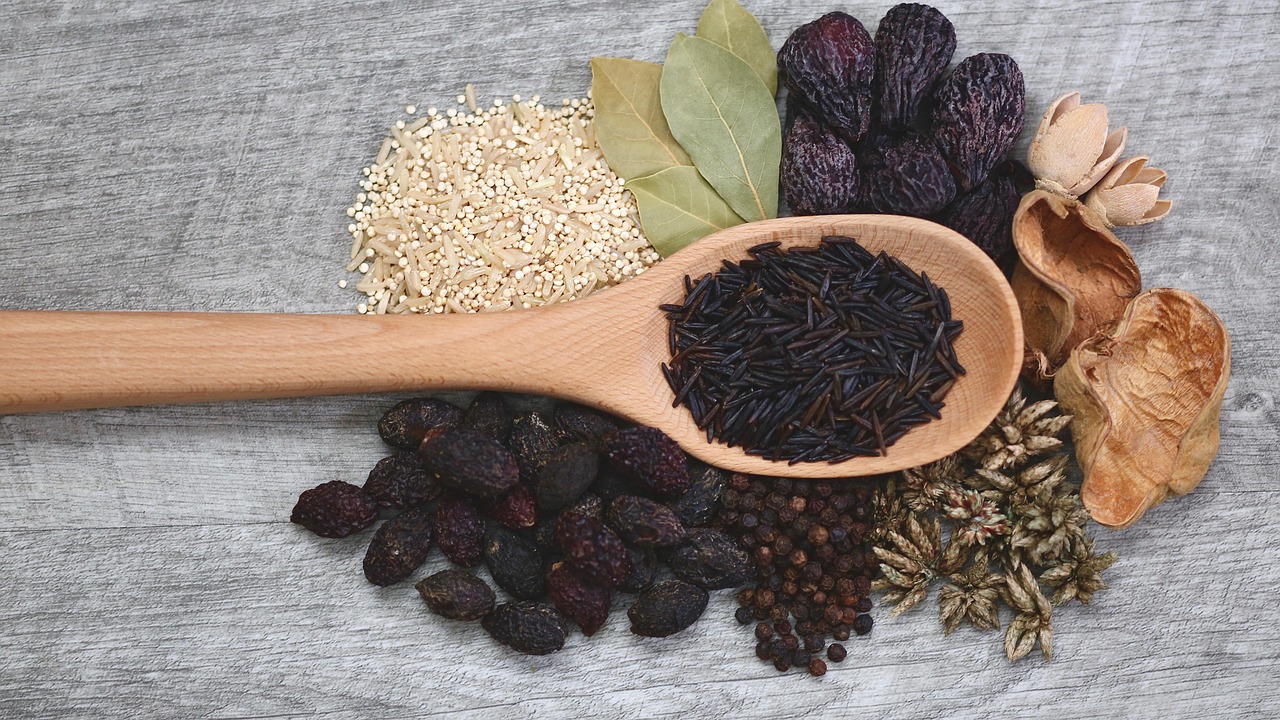

Spices are often thought of as safe, shelf-stable pantry staples. They add flavor, color, and aroma to countless dishes. But behind their exotic origins and culinary appeal, imported spices can carry a hidden danger: foodborne pathogens and toxic contaminants.
The global spice trade is enormous, with the U.S. importing over 80% of its spices from countries like India, Vietnam, and Mexico. Because spices travel long distances and often pass through multiple supply chains, opportunities for contamination abound. Studies have found that imported spices may harbor Salmonella, molds that produce aflatoxins, or heavy metals such as lead.
In fact, the FDA has repeatedly issued warnings and recalls involving contaminated spices. For example, cumin, turmeric, and chili powder have all been linked to Salmonella outbreaks in recent years. Spices are rarely cooked at high temperatures before consumption — think of sprinkling cinnamon on oatmeal or paprika on deviled eggs — which means pathogens can survive and reach consumers directly.
One particularly troubling issue is adulteration. To cut costs, unscrupulous suppliers may dilute spices with unsafe fillers or mislabel their origin. This not only cheats consumers but also introduces additional health risks. Children are especially vulnerable: lead-contaminated spices have been linked to cases of lead poisoning in the U.S.
Victims of spice-related food poisoning often face more than just a few days of illness. Long-term health complications can arise, and imported food safety regulations are not always airtight. In these cases, turning to food poisoning attorneys may help victims navigate the complex web of liability that stretches across international borders.
Consumers can reduce risks by purchasing spices from reputable brands, checking recall alerts, and storing spices properly in cool, dry places. Still, given the widespread nature of the spice trade, no one is completely immune.
To stay ahead of recalls and alerts, it’s wise to check resources such as this one, which regularly reports on outbreaks and contaminated products.
Next time you season your meal, remember: even a pinch of spice can carry more than just flavor — it can carry risk.
