

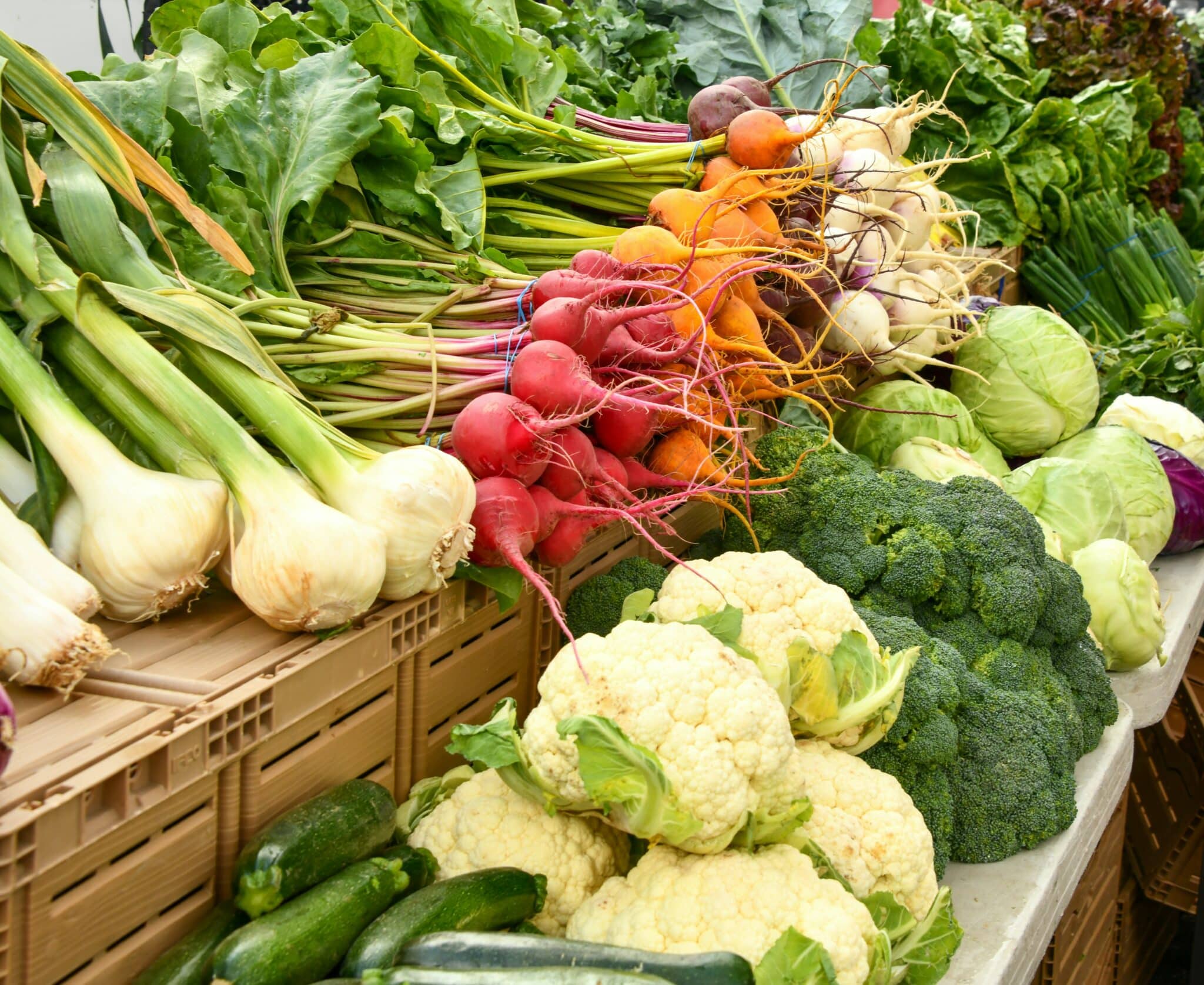

Farmers markets continue to thrive as vital sources of fresh, local food across the United States. For vendors, adhering to food safety practices is essential to maintaining consumer trust and regulatory compliance. Perishable items like raw meats, dairy, and soft cheeses require strict temperature control; vendors must display these products on ice, in coolers, or in refrigeration to keep them below 40°F. This prevents bacterial growth, which accelerates rapidly in warm weather, especially above 90°F, where food can become unsafe in just one hour.
The Food Safety Modernization Act (FSMA) establishes science-based standards for produce safety, though exemptions exist for smaller farms. Farms with under $25,000 in annual produce sales are exempt from FSMA’s Produce Rule, while those earning up to $500,000 may qualify for modified requirements. However, compliance costs remain a concern, as smaller farms can spend up to 6% of their annual sales on testing and equipment. Vendors handling value-added products (e.g., salsas, pickles) or operating under state cottage food laws must also navigate varying regulations, particularly if scaling beyond home-based production. Cross-contamination risks necessitate separating raw meats from ready-to-eat items like produce and using dedicated equipment. Additionally, vendors should implement food safety plans addressing water source quality, soil amendments (e.g., raw manure application timelines), and worker hygiene training.
Shoppers play an equally critical role in food safety. When purchasing perishables, they should bring insulated bags or coolers with ice packs to maintain safe temperatures during transit, particularly on hot days. Raw meats and poultry must be bagged separately from fruits and vegetables to prevent bacterial cross-contamination from leaks. All produce, even items destined for peeling, should be thoroughly rinsed under running water upon returning home, as studies indicate some shoppers mistakenly skip washing “natural” products. Reusable totes, while eco-friendly, require frequent hot-water-and-soap washes to eliminate accumulated bacteria and debris. Shoppers can proactively ask vendors about food safety practices, such as irrigation water sources, harvest hygiene protocols, or participation in programs like the USDA’s Good Agricultural Practices (GAP) certification.
Market managers often oversee vendor compliance with local health codes, though enforcement varies. Some markets, like San Francisco’s Ferry Plaza Farmers Market, mandate rigorous farm inspections and applications, while others rely primarily on proof of insurance. Despite sporadic media concerns about farmers market food safety, outbreaks traced to these venues remain rare compared to restaurants or commercial supply chains, a testament to the reduced handling and shorter supply chains inherent to direct sales. By combining vendor diligence with informed consumer practices, farmers markets can continue to safely connect communities with fresh, local food.
