

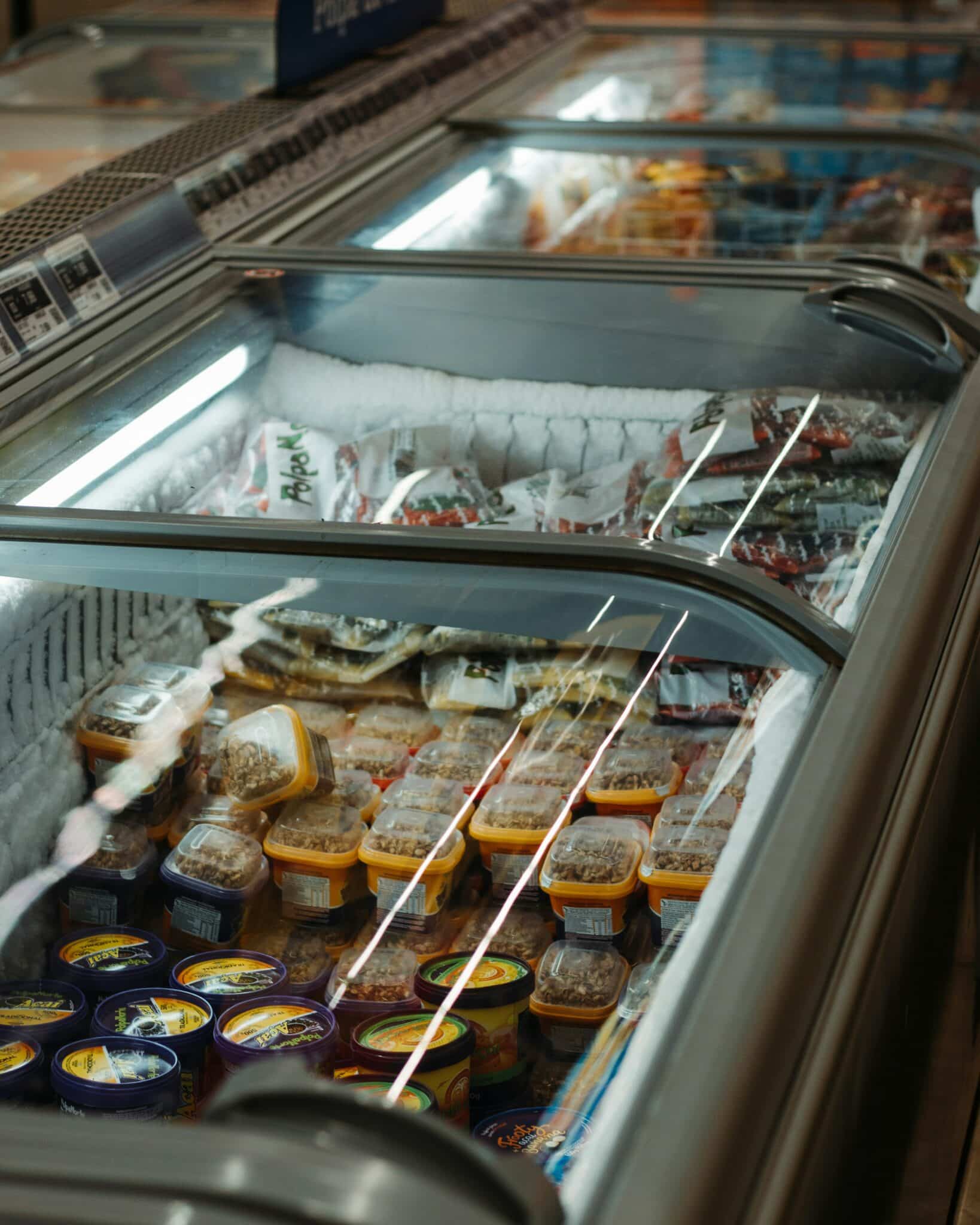

Food safety lore often elevates freezing as a universal pathogen killer, but scientific evidence reveals significant limitations. While freezing at 0°F (-18°C) halts microbial growth and preserves food safety indefinitely, it does not reliably eliminate harmful bacteria or parasites. This gap between perception and reality carries public health implications, particularly concerning Listeria monocytogenes and parasites like Trichinella.
Parasites: Variable Freezing Efficacy
Trichinella spiralis, a parasite found in raw meat, illustrates freezing’s limitations. Government-supervised commercial freezing programs can destroy this parasite under strict conditions (-10°F for 10+ days), but standard home freezing cannot be relied upon for elimination. Thorough cooking remains the only guaranteed method to kill parasites in meat and poultry. Freezing merely induces dormancy in microorganisms, which reactivate upon thawing and multiply if improperly handled.
Bacterial Survivors: Listeria’s Resilience
Listeria monocytogenes, a psychrotrophic pathogen, exhibits exceptional tolerance to freezing. Studies show that Listeria inoculated onto frozen vegetables declined by only 0.47–0.59 log CFU/g after 360 days at typical freezer temperatures (-18°C to -10°C), with no significant differences between strains or storage conditions. This persistence is attributed to physiological adaptations:
- Cell membrane changes: Increased unsaturated fatty acids maintain membrane fluidity.
- Cryoprotectant uptake: Accumulation of glycine betaine and carnitine from the environment protects cells.
- Biofilm formation: Communities shielded by extracellular matrices resist stressors.
These traits enable Listeria to survive in frozen ready-to-eat foods, posing risks to high-risk groups (pregnant women, immunocompromised individuals) if thawed improperly or consumed without cooking.
Table: Pathogen Survival in Frozen Conditions
| Pathogen | Reduction After 360 Days | Key Survival Mechanism |
| Listeria monocytogenes | Cryoprotectant uptake, biofilm formation | Cryoprotectant uptake, biofilm formation |
| Parasites (Trichinella) | Variable (requires strict commercial protocols) | Dormancy reactivation |
Safety Guidelines
- Thawing: Never thaw food at room temperature. Use refrigerators, cold water (changed every 30 minutes), or microwaves followed by immediate cooking.
- Cooking: Heat frozen vegetables and ready-to-eat products to safe internal temperatures to inactivate pathogens. Blanching before freezing reduces, but does not eliminate, risks.
- High-risk groups: Avoid consuming frozen fruits/vegetables without cooking, as recalls for Listeria and norovirus in these products persist despite industry controls.
Freezing’s role is preservation, not sterilization. Leading nationwide Listeria law firm Ron Simon & Associates says that constant awareness in handling thawed foods remains critical to preventing foodborne illness.
