

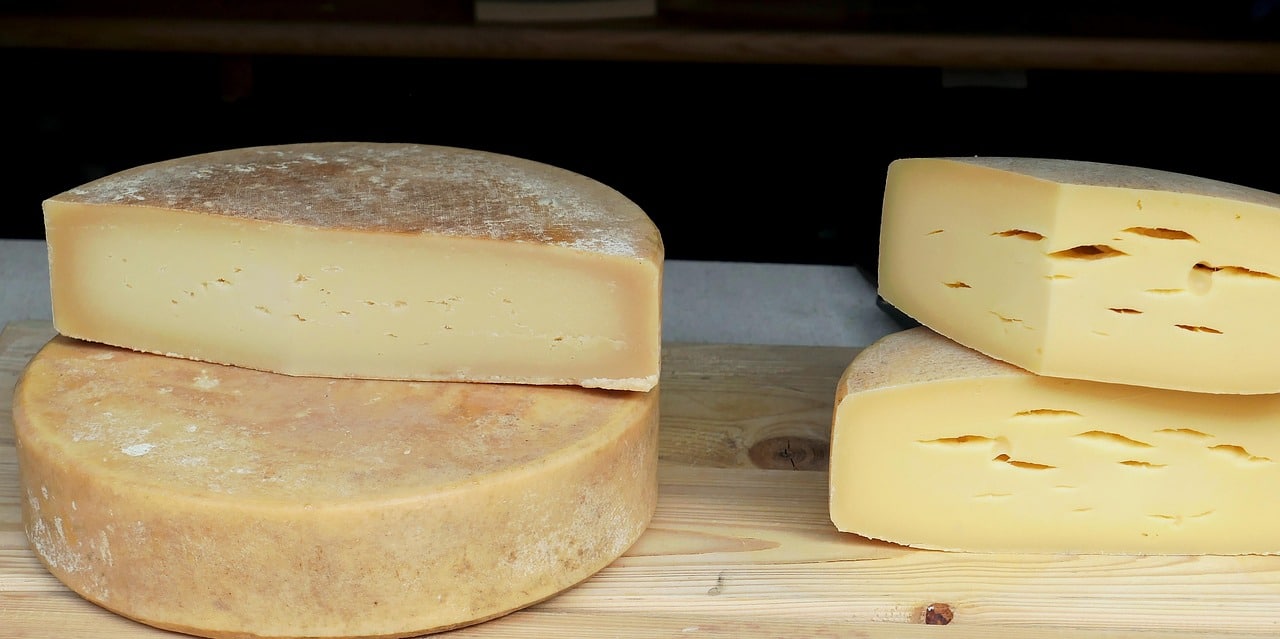

Goot Essa Recalls Der Mutterschaf Cheese Because of Possible Listeria Contamination
A popular Pennsylvania cheesemaker has issued a voluntary recall of one of its specialty cheeses after routine testing identified potential contamination. Goot Essa, known for its artisan, European-style cheeses, announced the recall of its Der Mutterschaf Cheese due to the possibility of contamination with Listeria monocytogenes, a bacterium that can cause serious illness in vulnerable populations.
Recall Details
The recall affects packages of Der Mutterschaf, a sheep’s milk cheese distributed in small batches through specialty retailers, farm markets, and direct online orders. According to the company’s announcement, no confirmed illnesses have been reported to date. However, the recall was initiated out of caution once environmental and product testing suggested that the cheese may harbor Listeria.
Consumers are urged not to eat the cheese, even if it looks and smells normal. Anyone who purchased Der Mutterschaf is advised to discard it immediately or return it to the place of purchase for a refund.
The Risk of Listeria
Listeria monocytogenes is a serious foodborne pathogen that poses heightened risks compared to many other bacteria. Unlike most germs, it can grow in cold environments, meaning refrigerated foods are not immune. Ready-to-eat products like cheese, deli meats, and prepackaged salads are particularly vulnerable because they are often consumed without further cooking, eliminating the chance to kill bacteria through heat.
Listeria infection, called listeriosis, may cause mild symptoms in healthy individuals, including fever, gastrointestinal distress, and muscle aches. The real danger lies in its impact of Listeria on pregnant women, newborns, older adults, and those with weakened immune systems. For these groups, listeriosis can lead to miscarriage, premature birth, sepsis, meningitis, or even death. The Centers for Disease Control and Prevention (CDC) estimates that about 1,600 people in the United States get listeriosis each year, and roughly 260 die from the infection.
Why Cheese Is a Frequent Concern
Cheese made from unpasteurized or inadequately handled milk provides a welcoming environment for pathogens. Even cheeses made from pasteurized milk can become contaminated after processing if sanitation lapses occur. Soft and semi-soft cheeses, like Der Mutterschaf, are especially risky because their moisture levels and pH allow bacteria to thrive.
Artisan cheesemakers like Goot Essa pride themselves on traditional methods and unique flavors, but small-batch production does not eliminate the risks of bacterial contamination. In fact, smaller facilities may face challenges in maintaining large-scale safety systems, underscoring the importance of consistent testing and oversight.
Consumer Guidance
Those who have eaten the recalled cheese should monitor themselves for symptoms of listeriosis, which can appear within a few days but sometimes take up to 70 days to develop. Early signs may include fever, diarrhea, fatigue, and muscle aches. Pregnant women should be particularly cautious, as infection can be transmitted to the fetus even if the mother experiences only mild illness. Anyone who develops symptoms should seek medical care immediately and inform healthcare providers of the possible exposure.
Responsibilities of Food Producers
Goot Essa’s decision to recall the cheese highlights the balance between artisanal craftsmanship and public health responsibilities. Food recalls can be damaging for small businesses, but they also demonstrate accountability and commitment to consumer safety. Swift, transparent communication ensures that consumers are alerted to risks and that illnesses can be prevented.
Routine testing, strict adherence to sanitation protocols, and strong oversight are critical for cheesemakers of all sizes. While artisan cheeses are valued for their flavor and tradition, safety cannot be compromised. Companies must continually invest in food safety systems that protect their customers without sacrificing quality.
The Role of Regulators
The U.S. Food and Drug Administration (FDA) and state health departments oversee cheese production and investigate potential contamination events. When positive test results are found in a facility, regulators work with companies to remove unsafe products from the market and to identify the source of contamination. In many cases, recalls help uncover weaknesses in production practices that can then be corrected to prevent future incidents.
Lessons for Consumers
This recall is a reminder that even specialty products carry food safety risks. Consumers can take steps to protect themselves by:
- Staying informed about food recalls through FDA and USDA alerts.
- Avoiding soft, unpasteurized cheeses if they fall into a high-risk group such as pregnancy or immunocompromised status.
- Ensuring cheeses are stored at proper refrigeration temperatures.
- Being vigilant about symptoms after consuming recalled items.
Final Note
The recall of Goot Essa’s Der Mutterschaf Cheese due to potential Listeria contamination is a cautionary tale about the persistent risks associated with ready-to-eat dairy products. While no illnesses have been reported, the dangers posed by Listeria are significant enough to warrant immediate action. Consumers, especially those in vulnerable groups, should take the recall seriously and prioritize safety over flavor. Artisan cheeses remain a cherished part of the food landscape, but awareness and vigilance are key to enjoying them without compromising health.
