


Salmonella Outbreak and the Recall of Green Onions: What You Need to Know
An outbreak of salmonella linked to green onions has prompted a nationwide recall, raising concerns about food safety and the risks associated with contaminated produce. As public health officials work to contain the outbreak, consumers are being urged to take precautions to protect themselves and their families from this potentially serious bacterial infection. Here’s a closer look at the situation, the risks of salmonella, and what you can do to stay safe.
The Salmonella Outbreak and Green Onion Recall
Salmonella outbreaks are not uncommon, but when they involve fresh produce like green onions, the impact can be widespread. In this case, health authorities have traced multiple cases of salmonella infection to green onions distributed across several states. A recall was issued after investigations linked the produce to various reports of illness.
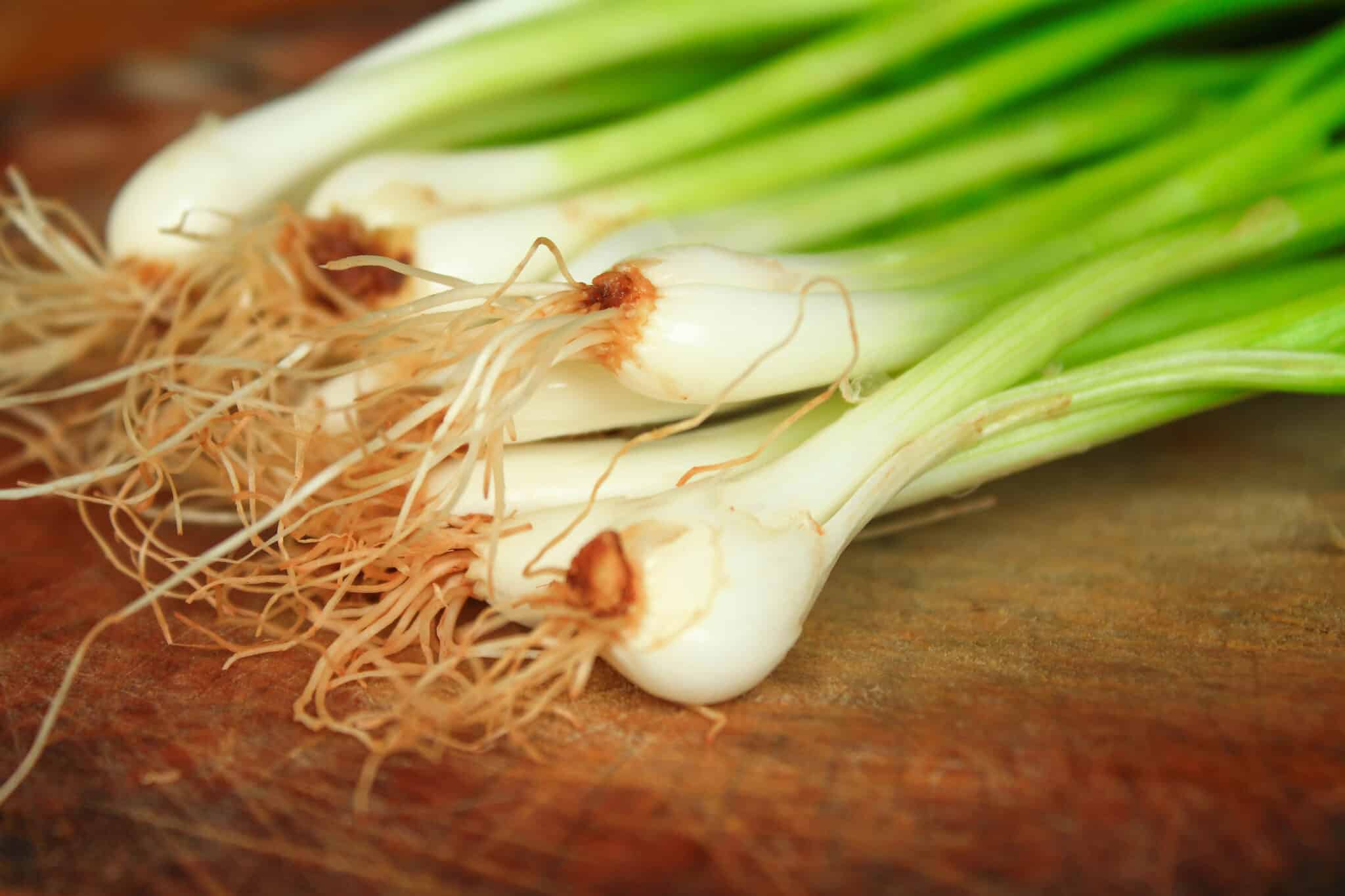
Green onions, also known as scallions, are often consumed raw in salads, garnishes, and as toppings in various dishes. This makes them particularly risky when contaminated, as cooking kills bacteria like salmonella, but raw consumption does not. The outbreak has caused concern due to the potential for many consumers to have unknowingly purchased or eaten contaminated onions.
According to the FDA the recall includes:
Trader Joe’s: Green Onion Iceless 24x6oz Reg Trader Joe’s Mexico, lot code CB272378; pack date 092524; sold in a brand retail bag with pack date label on the back of the bag.
Imperial Fresh: Green Onion Iceless 4x2lb Reg; lot code CB272378; sold in a clear bag with product code located on the front of the bag.
What is Salmonella?
Salmonella is a type of bacteria commonly associated with foodborne illness. It typically lives in the intestines of animals and can be transmitted to humans through contaminated food or water. Salmonella infections, or salmonellosis, can lead to serious illness, particularly in young children, the elderly, and those with weakened immune systems.
Symptoms of salmonella infection usually appear within 6 to 72 hours after exposure and can last for several days. Common symptoms include:
- Diarrhea: This is the most common symptom and can be severe.
- Abdominal cramps: These can range from mild to severe.
- Fever: Many infected individuals develop a fever as part of the body’s immune response.
- Nausea and vomiting: While less common, some people may experience these symptoms, especially if the infection is more severe.
Most people recover without needing medical treatment, but severe cases can lead to complications such as dehydration or spread of the infection to other parts of the body, requiring hospitalization.
The Health Risks of Contaminated Green Onions
Green onions, like other leafy greens and vegetables, can become contaminated at multiple points during the production process, including during growing, harvesting, and packaging. If the water used to irrigate the plants or wash the produce is contaminated with salmonella, the bacteria can survive and multiply on the vegetables. Cross-contamination in food processing facilities can also occur, further spreading the bacteria.
For consumers, the health risks are particularly high when these vegetables are eaten raw, as in salads or salsas. Without cooking, the bacteria remain alive and can cause illness. Therefore, when a recall like this is issued, it’s crucial to stop consuming the product immediately.
What You Should Do
If you have purchased green onions recently, especially those distributed by brands or suppliers linked to the recall, it is essential to take the following precautions:
- Check recall information: Stay informed by checking the latest updates from health authorities or the Food and Drug Administration (FDA) for specific brands and batches of green onions that have been recalled. Discard any green onions from those batches.
- Do not consume the product: If you have green onions at home that might be affected by the recall, do not eat them, even if they appear fresh or have no noticeable odor. It’s not worth the risk.
- Clean and disinfect surfaces: If you have handled potentially contaminated green onions, make sure to thoroughly wash and disinfect any surfaces they may have touched, such as cutting boards, knives, or countertops, to prevent cross-contamination.
- Monitor for symptoms: If you or someone in your household has eaten green onions recently and begins to experience symptoms of salmonella infection, such as diarrhea, fever, or abdominal cramps, seek medical attention, especially if the symptoms are severe or persistent.
Preventing Salmonella Infections
While this particular outbreak is linked to green onions, salmonella can contaminate a wide variety of foods. To reduce the risk of salmonella infection, follow these general food safety practices:
- Wash produce thoroughly: Even when you don’t plan to cook your vegetables, washing them thoroughly under running water can help reduce bacteria on the surface.
- Avoid cross-contamination: Keep raw vegetables and fruits separate from raw meats, poultry, or seafood, and use separate cutting boards for different types of food to prevent the spread of bacteria.
- Cook food properly: Cooking foods to the right temperature (165°F for poultry, for example) kills most harmful bacteria, including salmonella.
- Store food properly: Ensure your refrigerator is kept at the right temperature (40°F or below) to prevent bacterial growth on perishable items.
The Role of Public Health Officials
When an outbreak like this occurs, public health officials play a critical role in identifying the source of the contamination, issuing recalls, and advising the public. In the case of the green onion recall, the Centers for Disease Control and Prevention (CDC) and the FDA are working together to trace the supply chain, pinpoint the origin of the contamination, and prevent further distribution of potentially hazardous produce.
The process involves testing and investigating farms, packing facilities, and distribution centers. Once the contaminated product is identified, recalls are issued to remove it from the market. Consumers are urged to discard affected products and take additional precautions to ensure food safety.
Conclusion
The salmonella outbreak linked to green onions underscores the importance of vigilance when it comes to food safety. Although fresh produce is a vital part of a healthy diet, contamination risks always exist, especially when raw vegetables are involved.
As one national food poisoning attorney states, “By staying informed about recalls, following food safety practices, and seeking medical help if symptoms arise, consumers can reduce their risk of illness. Always remember: when it comes to foodborne illnesses like salmonella, prevention is key.”
