

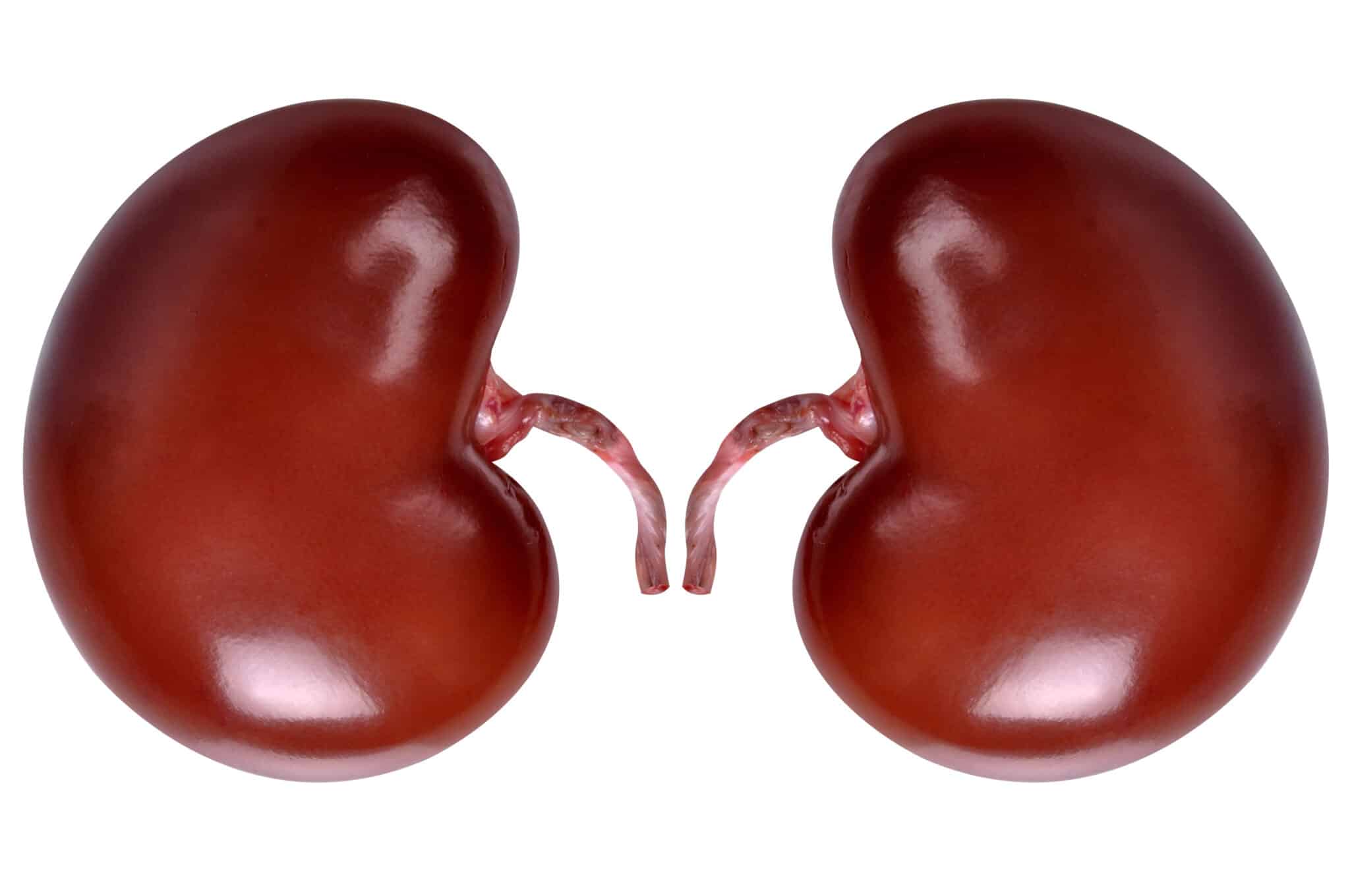

Hemolytic uremic syndrome (HUS) is a serious and potentially life-threatening condition that often develops as a complication of foodborne illness, particularly infections caused by Shiga toxin–producing bacteria such as Escherichia coli O157:H7. Although many cases of food poisoning resolve without long-term consequences, HUS represents a severe progression that can result in kidney failure, neurological complications, and even death. Understanding when HUS occurs, who is most at risk, and how it develops is critical for both prevention and clinical management.
What Is Hemolytic Uremic Syndrome?
HUS is a condition characterized by three primary features:
- Hemolytic anemia: destruction of red blood cells
- Thrombocytopenia: low platelet count
- Acute kidney injury: impaired kidney function
These features result from damage to small blood vessels, particularly in the kidneys. As red blood cells are destroyed and platelets are consumed, blood flow becomes impaired, leading to organ damage.
There are several types of HUS, but the most common is typical HUS, which is associated with infections caused by Shiga toxin–producing bacteria.
What Causes HUS?
The majority of HUS cases are triggered by infection with Escherichia coli O157:H7 or other Shiga toxin–producing strains. These bacteria are commonly transmitted through:
- Undercooked ground beef
- Contaminated produce
- Unpasteurized dairy products
- Contaminated water
After ingestion, the bacteria colonize the intestines and release Shiga toxin, which enters the bloodstream and damages endothelial cells lining blood vessels.
When Does HUS Occur?
HUS typically develops about 5–10 days after the onset of gastrointestinal symptoms, particularly diarrhea.
1. Early Stage: Gastrointestinal Illness
The illness often begins with symptoms of foodborne infection, including:
- Diarrhea (often bloody)
- Abdominal cramps
- Vomiting
This phase may last several days and is often mistaken for a typical case of food poisoning.
2. Progression to HUS
In some individuals, particularly children, symptoms worsen after initial improvement. This is when HUS begins to develop. Warning signs include:
- Decreased urination
- Fatigue and weakness
- Pale skin due to anemia
- Easy bruising or bleeding
The transition from gastrointestinal illness to HUS can occur rapidly and requires immediate medical attention.
Who Is Most at Risk?
1. Young Children
Children under the age of five are at the highest risk of developing HUS. Their immune systems and kidneys are more vulnerable to the effects of Shiga toxin.
2. Older Adults
Elderly individuals are also at increased risk, particularly due to weaker immune responses and preexisting health conditions.
3. Individuals with Compromised Immune Systems
People with weakened immune systems may be less able to clear infections, increasing the likelihood of complications.
4. Certain Bacterial Strains
Some strains of E. coli produce higher levels of Shiga toxin, making them more likely to cause severe disease and HUS.
Pathophysiology: How HUS Develops
The development of HUS is closely linked to the effects of Shiga toxin on the body.
1. Endothelial Damage
Shiga toxin damages the lining of blood vessels, particularly in the kidneys. This leads to inflammation and activation of clotting mechanisms.
2. Formation of Microthrombi
Small blood clots form in the damaged vessels, reducing blood flow and causing mechanical destruction of red blood cells.
3. Kidney Injury
The kidneys are especially affected due to their dense network of small blood vessels. Reduced blood flow and clot formation impair kidney function, leading to acute kidney injury.
4. Systemic Effects
In severe cases, HUS can affect other organs, including the brain, resulting in neurological symptoms such as confusion or seizures.
Complications and Long-Term Effects
HUS can lead to a range of serious complications, including:
- Acute kidney failure requiring dialysis
- Chronic kidney disease
- Hypertension
- Neurological complications
While many patients recover with appropriate treatment, some experience long-term health issues, particularly related to kidney function.
Long-Term Prognosis and Recovery
While many patients recover from hemolytic uremic syndrome (HUS), the long-term prognosis can vary significantly depending on the severity of the initial illness and the extent of kidney damage. In mild cases, particularly when treatment is initiated promptly, kidney function may return to normal within weeks. However, in more severe cases, individuals may experience lasting complications that require ongoing medical monitoring.
One of the most significant concerns following HUS is the development of chronic kidney disease (CKD). Even after apparent recovery, some patients may have reduced kidney function that progresses over time. This can lead to long-term issues such as hypertension, proteinuria (excess protein in the urine), and an increased risk of future kidney failure. Children who recover from HUS are often followed for years to monitor for these delayed complications.
In addition to physical health effects, recovery from HUS can also have psychological and emotional impacts, particularly for families of young children who experience severe illness. The need for hospitalization, dialysis, or intensive care can be highly stressful and may contribute to long-term anxiety or health concerns.
Overall, while survival rates for HUS have improved with advances in supportive care, the potential for long-term complications underscores the importance of early recognition, prompt treatment, and continued follow-up after recovery.
Diagnosis and Treatment
Diagnosis of HUS is based on clinical symptoms and laboratory findings, including:
- Low red blood cell count
- Low platelet count
- Elevated markers of kidney dysfunction
Treatment Approaches
There is no specific cure for typical HUS, so treatment focuses on supportive care:
- Fluid management to maintain hydration
- Dialysis in cases of kidney failure
- Blood transfusions for severe anemia
Importantly, antibiotics are generally not recommended in cases of Shiga toxin–producing E. coli infections, as they may increase toxin release and worsen outcomes.
Prevention
Preventing HUS largely depends on preventing the initial infection:
- Cooking meat thoroughly
- Avoiding unpasteurized products
- Practicing good hand hygiene
- Preventing cross-contamination in food preparation
Public health measures aimed at reducing foodborne illness are essential in lowering the incidence of HUS.
Public Health Significance
Although relatively rare, HUS is one of the most severe complications of foodborne illness. Outbreaks of E. coli O157:H7 have highlighted the potential for widespread impact, particularly among vulnerable populations.
Healthcare providers must be aware of the early signs of HUS to ensure timely intervention, as early supportive care can significantly improve outcomes.
Early Detection and Clinical Warning Signs
Early detection of hemolytic uremic syndrome (HUS) is critical in improving patient outcomes, as the condition can progress rapidly from mild gastrointestinal symptoms to severe systemic complications. Recognizing warning signs in the days following a foodborne illness is especially important, particularly in high-risk populations such as young children and older adults.
One of the earliest indicators of HUS is a noticeable change in urination patterns. Patients may produce significantly less urine or stop urinating altogether, reflecting declining kidney function. This is often accompanied by symptoms of anemia, including fatigue, weakness, and pale skin, as red blood cells are destroyed. Additionally, thrombocytopenia can present as easy bruising, nosebleeds, or small red or purple spots on the skin (petechiae), indicating impaired clotting ability.
Caregivers and patients should also be aware of worsening gastrointestinal symptoms, particularly persistent or bloody diarrhea, which is strongly associated with Shiga toxin–producing bacterial infections. As HUS progresses, more severe complications may arise, including swelling in the face or limbs due to fluid retention and, in rare cases, neurological symptoms such as confusion, irritability, or seizures.
Prompt medical evaluation is essential when these symptoms appear. Early hospitalization and supportive care, including fluid management and monitoring of kidney function, can significantly reduce the risk of severe complications. Increased awareness of these warning signs among both healthcare providers and the public plays a vital role in improving early diagnosis and patient outcomes.
HUS: Early Diagnosis is Critical
Hemolytic uremic syndrome is a serious complication that can arise following infection with Shiga toxin–producing bacteria, most commonly E. coli O157:H7. Typically developing within days of gastrointestinal illness, HUS disproportionately affects young children and can lead to severe kidney damage and other complications.
According to national E. coli lawyer Ron Simon: “Understanding the causes, timing, and risk factors of HUS is essential for prevention and early recognition.” As foodborne illnesses continue to pose a public health challenge, increased awareness of complications like HUS is critical in reducing morbidity and improving patient outcomes.
