


Why are foodborne illnesses more common during the summer heat?
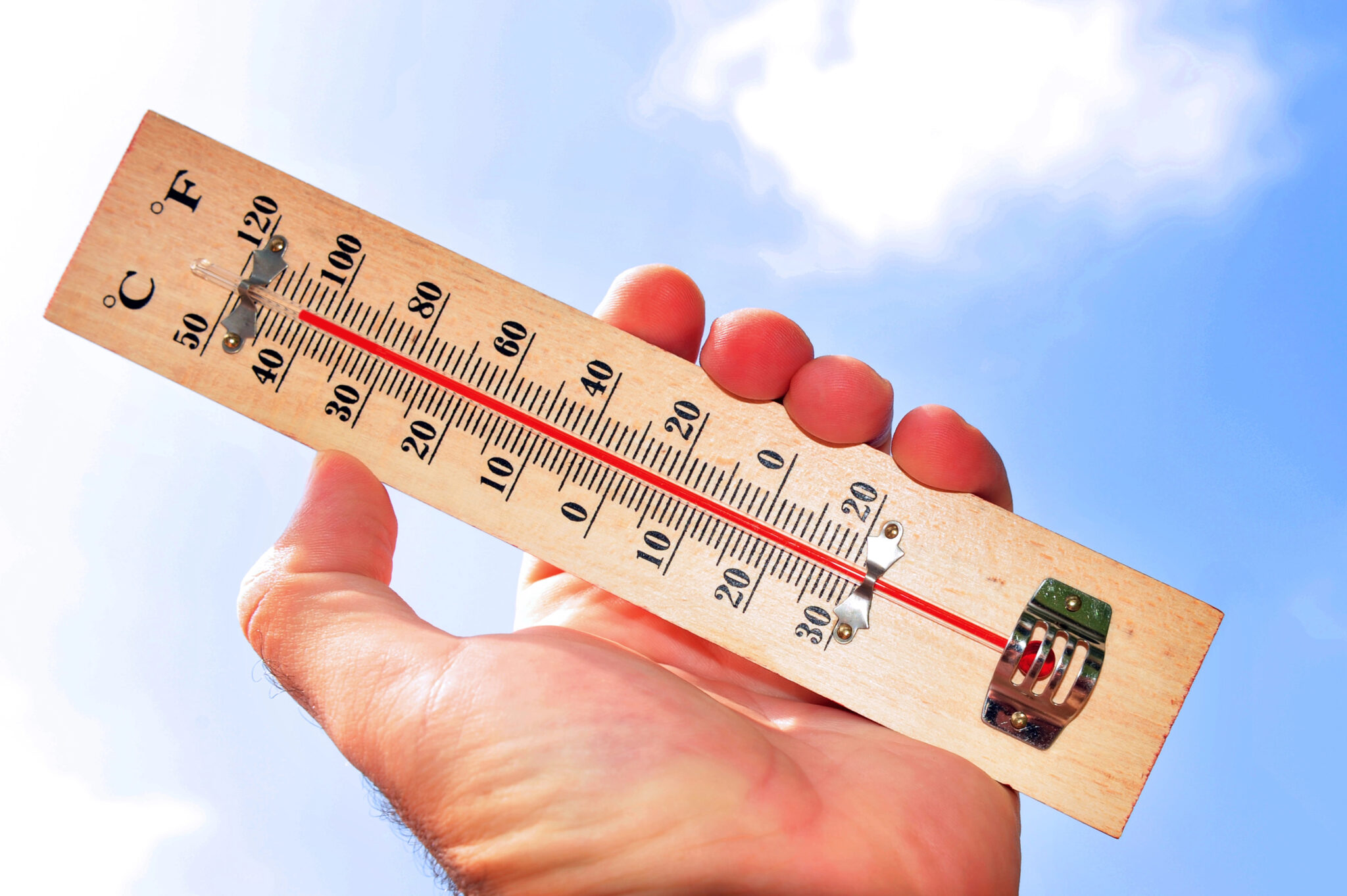
As scorching temperatures sweep the nation this week, with many regions experiencing days in the mid-90s, it is important to take into account how these temperatures might affect food safety. As people flock outdoors to enjoy the summer weather, the consumption of food outside increases, which poses certain threats.
The US Department of Agriculture has discovered that bacteria multiply most rapidly between 90°F-110°F. Within this temperature range, bacteria thrive in various environments including soil, air, water, and animals, significantly increasing the risk of contamination spreading to food. Food should never be left out for more than two hours in the “danger zone” between 40°F-140°F, however, extra caution is advised when food is exposed outdoors in temperatures exceeding 90°F. Some sources even recommend that in temperatures 90°F or higher, food should only be left out for one hour to minimize the risk of bacteria such as Salmonella, E. coli, or Campylobacter spreading.
Bacteria also thrive in wet and moist environments. The humidity during the summer months provides bacteria with the perfect conditions to grow and flourish.
Summer activities such as cookouts and camping that typically involve cooking outdoors present other risks. Preparing food in a kitchen allows for a more temperature regulated environment, access to proper washing/sanitizing equipment, refrigeration, and overall cleaner surfaces.
When cooking outside on a grill or outdoor stove, there are important practices that the appointed “grill masters” should keep in mind. To begin, properly cleaning and sanitizing the area is vital. Finding an accessible way to frequently wash hands in potable water while outside is essential, especially when handling raw meat. The griller should make sure to have access to a thermometer to ensure that the meat is cooked to the proper internal temperature.
While keeping food out of direct sunlight is generally a good rule to follow, it is important to note that being in the shade does not necessarily prevent its internal temperature from rising quickly in hot weather. Coolers should also be checked regularly and replenished with ice once it melts to ensure that the contents inside remain below 41°F.
If there are any doubts about whether a certain food item has been left out for too long, throw it out.
Cooking and eating outside is one of the many perks of warmer weather, however, remembering to be cognizant of food safety will ensure that the fun continues all summer long.
