

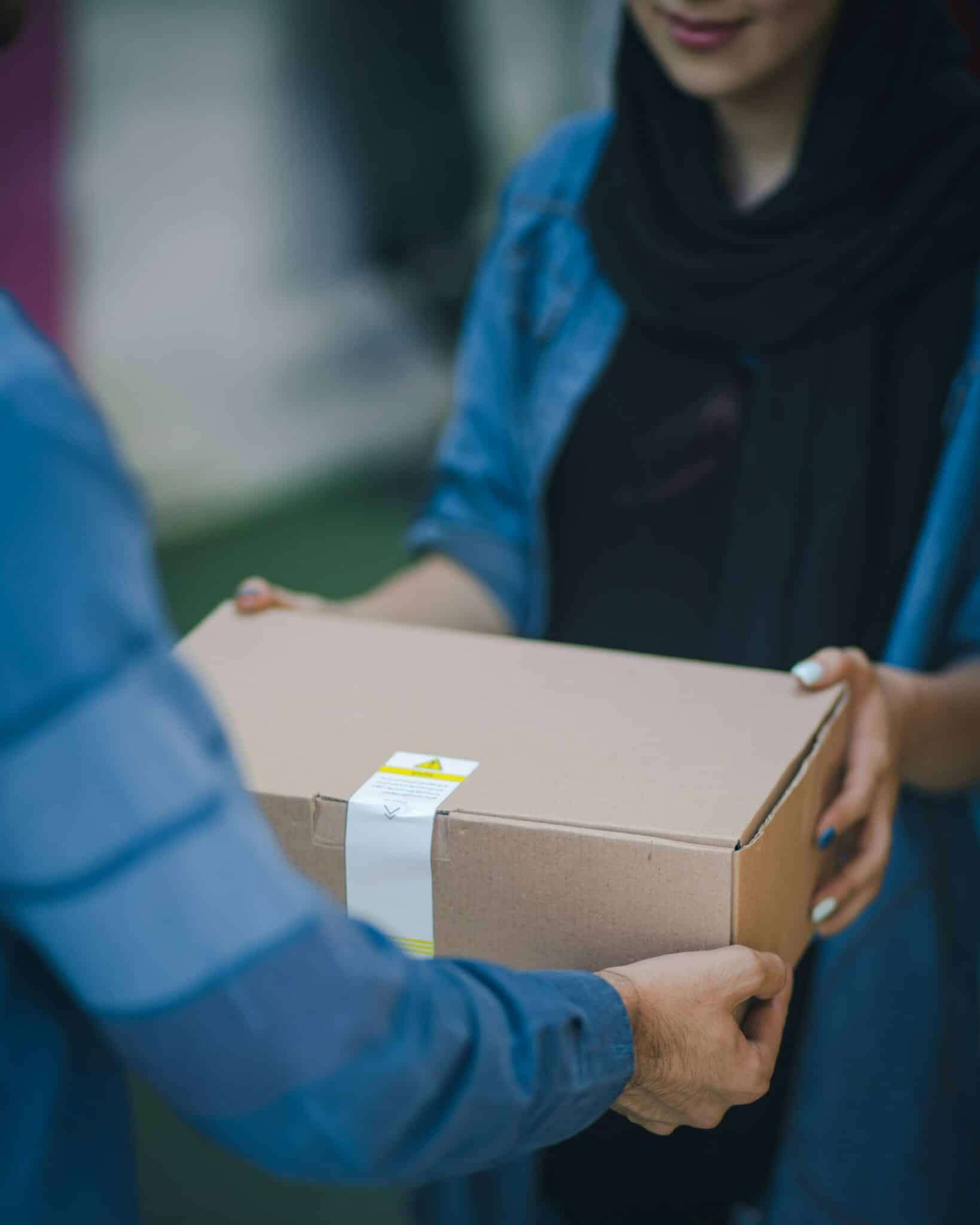

When we think about food safety, we often focus on cooking temperatures, handwashing, and avoiding cross-contamination. But what about the packaging that carries our food? Whether it’s a plastic-wrapped tray of chicken, a cardboard cereal box, or a glass jar of pickles, the outer surface of food packaging can also be a vehicle for harmful pathogens. In an era of global pandemics and foodborne illness awareness, many consumers are asking: how long can pathogens survive on packaging materials? The answer isn’t simple, but it’s critically important for both consumers and food handlers.
Packaging Surfaces and Pathogen Survival
Pathogens such as Salmonella, Listeria, E. coli, and viruses like norovirus or hepatitis A can all survive on packaging materials under the right conditions. However, how long they live depends heavily on factors such as:
- Type of material (plastic, cardboard, metal, glass)
- Temperature
- Humidity
- Type of pathogen
Different pathogens behave differently. For example, bacteria generally survive longer on moist, non-porous surfaces, while viruses may persist longer on dry materials like cardboard or plastic.
What the Research Shows
1. Plastic and Stainless Steel
Several studies, including research published during the COVID-19 pandemic, found that viruses like SARS-CoV-2 could survive up to 72 hours on plastic and stainless steel. Similarly, Salmonella and Listeria have been shown to survive on these materials for days or even weeks, especially under cool and moist conditions.
- Salmonella can live up to four weeks on plastic surfaces.
- Listeria monocytogenes has been found on stainless steel and plastic packaging for over a month, particularly in refrigerated environments.
2. Cardboard and Paper
Porous materials like cardboard tend to dry out pathogens more quickly. For example, studies suggest that SARS-CoV-2 survives up to 24 hours on cardboard, and E. coli tends to perish faster on paper than plastic.
However, survival times for bacteria on paper can still range from hours to several days, depending on moisture levels. A wet or greasy paper surface, like a fast-food wrapper, can actually harbor microbes longer than dry paper.
3. Glass and Metal
Glass and aluminum can also allow survival of pathogens, though generally for shorter durations compared to plastic. For example, norovirus, a leading cause of foodborne illness, has been shown to survive on stainless steel and glass for up to 7 days in certain conditions.
Real-World Examples
Contaminated packaging has been implicated in several outbreaks:
- In 2021, Salmonella was found on the outer packaging of frozen shrimp, leading to a recall.
- Listeria has been detected on meat packaging equipment and plastic wrap, which then transferred to deli meats.
- During the COVID-19 pandemic, surface transmission on food packaging became a focus, prompting widespread sanitation protocols.
Though transmission through packaging is relatively rare compared to direct ingestion of contaminated food, it’s not impossible, especially in environments with poor hygiene or high contamination risk.
Cold Temperatures Can Extend Pathogen Life
Cold storage doesn’t necessarily kill pathogens. In fact, refrigeration and freezing can preserve bacteria and viruses, allowing them to live longer on packaging materials.
- Listeria thrives in cold environments and can survive for months on refrigerated packaging.
- Salmonella and E. coli don’t multiply at fridge temperatures but can remain viable for extended periods.
Freezing doesn’t kill most pathogens either. It only pauses their activity. Once the item thaws, so do the microbes.
The Risk of Cross-Contamination
Even if you don’t eat packaging (hopefully!), handling contaminated wrappers, containers, or bags can result in cross-contamination. For example:
- Touching a contaminated package and then preparing food without washing your hands can transfer bacteria to ready-to-eat foods.
- Using a shopping bag that held a leaking meat package can introduce pathogens to fresh produce inside the same bag.
- Reusing packaging like foil trays or cardboard boxes can unknowingly spread germs around the kitchen.
What Consumers Can Do
To reduce the risk of infection from contaminated packaging, adopt these practical habits:
1. Wash Your Hands
Always wash your hands after handling packaged food, especially raw meat, poultry, or seafood.
2. Wipe Down Surfaces
Clean counters and handles where groceries are placed. Disinfect high-touch surfaces like refrigerator handles, doorknobs, and shopping bags.
3. Don’t Reuse High-Risk Packaging
Avoid reusing trays, plastic wraps, or boxes that came into contact with raw foods.
4. Clean Reusable Grocery Bags
Wash cloth bags regularly, and designate separate ones for meat and produce if possible.
5. Inspect and Discard Damaged Packaging
Leaking, bloated, or torn packages are a red flag for contamination. Discard or return these items immediately.
Should You Sanitize Every Package?
While early in the COVID-19 pandemic, many people wiped down every grocery item, public health guidance now suggests that the risk of surface transmission is low but not zero. For high-risk individuals (those immunocompromised, elderly, or pregnant), sanitizing certain packages, especially raw meat containers or imported frozen goods, might still be a worthwhile precaution.
Final Note
Pathogens can and do survive on food packaging, sometimes for days or even weeks, especially in cool, moist conditions. While packaging is not the most common route for foodborne illness, it’s a real and avoidable risk, especially when combined with poor hygiene and improper handling.
By understanding how long different microbes can survive on various surfaces, consumers can make smarter, safer choices in the kitchen and stop germs before they make it to the dinner table.
