
Close Menu
  • Food Poisoning
    • Symptoms
    • Prevention
    • Treatment
    • Causes
  • Pathogens
    • Botulism
    • Campylobacter
    • E. coli
    • Cyclospora
    • Norovirus
    • Hepatitis A
    • Salmonella
    • Listeria
    • Shigella
  • Food Safety
    • How to wash your hands
    • Food Safty And The Holidays
  • Legal
    • Can I sue for Food Poisoning?
    • E. coli Lawyer
      • E. coli Lawsuit
    • Salmonella Lawyer
      • Salmonella Lawsuit
    • Botulism Lawyer
    • Cyclospora Lawyer
    • Shigella Lawyer
    • Hepatitis A Lawyer
  • Outbreaks and Recalls
  • Connect With A Lawyer
What's Hot

The Dangers of Drinking Unpasteurized Milk

February 6, 2026

Raw Milk and the Risk of Listeria to Babies: Listeria Lawyer Comments on the Tragic Consequences of Raw Milk Consumption

February 4, 2026

Salmonella, E. coli, and Listeria: Identifying the High-Risk Foods and Their Contamination Sources

February 4, 2026
Facebook X (Twitter) Instagram
Facebook X (Twitter) YouTube
  • About
  • Contact Us
Food Poisoning NewsFood Poisoning News
  • Home
  • Food Poisoning
    • What is Food Poisoning?
      • Symptoms
      • Causes
      • Prevention
      • Treatment
      • Statistics
    • Pathogens
      • Botulism
      • Campylobacter
      • E. coli
      • Hepatitis A
      • Shigella
      • Norovirus
      • Salmonella
      • Cyclospora
      • Listeria
  • Food Safety
    • How to wash your hands
    • Food Safty And The Holidays
  • Legal
    • Salmonella Lawyer
      • Salmonella Lawsuit
    • E. coli Lawyer
      • E. coli Lawsuit
    • Cyclospora Lawyer
    • Shigella Lawyer
    • Hepatitis A Lawyer
    • Botulism Lawyer
  • Outbreaks and Recalls
Food Poisoning NewsFood Poisoning News
Home»Helpful Articles»Is “Reheated Rice Syndrome” Truly Something to Worry About?
Is “Reheated Rice Syndrome” Truly Something to Worry About?
Bacillus cereus is a spore-forming bacterium that naturally occurs in soil and is commonly found in a variety of foods.
Helpful Articles

Is “Reheated Rice Syndrome” Truly Something to Worry About?

Liz PegramBy Liz PegramJune 13, 2024No Comments3 Mins Read
Share
Facebook Twitter LinkedIn Pinterest Email Reddit

Is “Reheated Rice Syndrome” truly something to worry about?

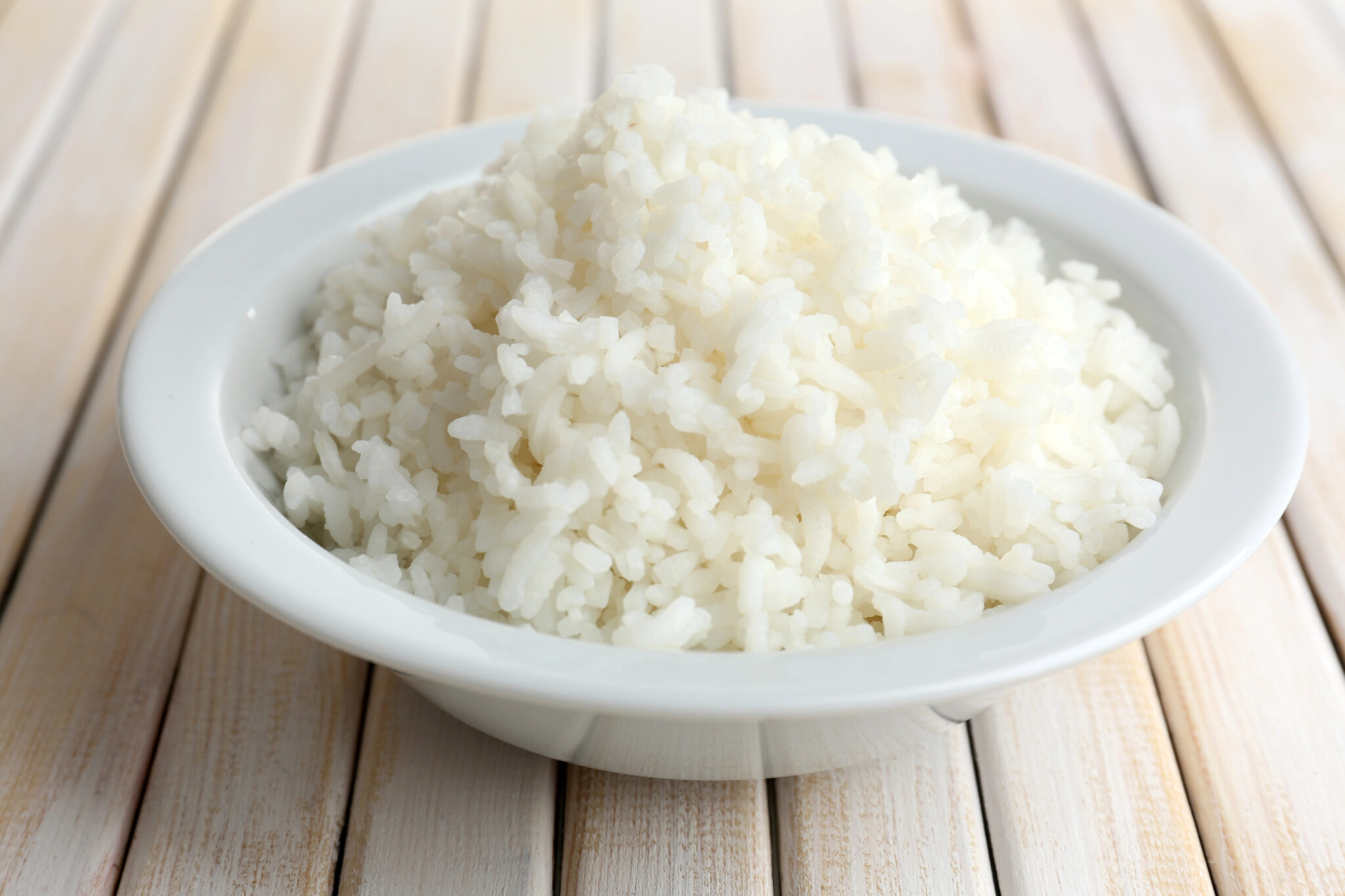
“Reheated Rice Syndrome” otherwise known as “Fried Rice Syndrome” has recently become popularized across many social media platforms, scaring many into never consuming leftover rice. On Tiktok, a story went viral about a man in 2008 who lost his life after reheating five day old pasta. This story led to the false assumption that reheated pasta or rice should never be consumed under any circumstance. The true danger, in fact, comes from the improper storage of the rice rather than the reheating itself. 

The relevant bacteria in this case is Bacillus cereus (B. cereus), a type of fast growing, “spore-forming” bacteria that spreads on starches. Although this phenomenon has been deemed “Reheated Rice Syndrome”, the same dangers can be applied to other starches such as potatoes and pasta. When a starch is left out for an extended period of time in the danger zone (40°F-140°F), its spores will produce toxins. If rice or any other starch is left out for more than two hours, it should be thrown away and not preserved. The Centers for Disease Control and Prevention (CDC) states that Bacillus cereus accounts for 63,000 yearly cases of foodborne illness in the United States. 

What sets B. cereus apart from bacteria such as salmonella and E. coli is its ability to survive high cooking temperatures and digestion. If the bacteria has multiplied on a serving of rice, its toxins will be equally as dangerous after reheating it in the microwave. According to the University of Washington, “when you reheat it, you’re killing the vegetative cells, you’re not destroying the toxins.” 

The best way to prevent the growth of this bacteria is to immediately refrigerate any leftovers.

Even though rice is stuck in everyone’s mind, this danger is not unique to starches. There is also an equally dangerous spore-forming bacteria called Clostridium perfringens that produces similar toxins on meats and gravy. C. perfringens is responsible for 15 times the amount of foodborne illness than B. cereus. 

Another false assumption popularized by this viral story is that consuming this bacteria will result in death. Of the 63,000 yearly cases of B. cereus, only 20 were hospitalized. Severe intestinal infections leading to death are quite rare. The common symptoms of coming into contact with high amounts of this bacteria include vomiting, diarrhea, nausea, and cramps. The symptoms typically only last around 24 hours. If symptoms have not subsided after 2 days, contact a healthcare provider. 

Share. Facebook Twitter Pinterest LinkedIn Tumblr Email
Avatar photo
Liz Pegram

Related Posts

Common Mistakes That Delay Outbreak Detection

January 30, 2026

How Long Do Foodborne Bacteria Survive on Kitchen Surfaces—and Why Cleaning Isn’t Always Enough

January 14, 2026

Norovirus: What You Need to Know About the Highly Contagious “Stomach Bug”

January 8, 2026

A Rising Tide of Risk: Navigating the Hidden Dangers in Raw Seafood

December 30, 2025
Add A Comment
Leave A Reply Cancel Reply

Attorney Advertisement
Ron Simon

Subscribe to Updates

Get the latest food safety recall, outbreak, & investigation news.

Latest Posts

The Dangers of Drinking Unpasteurized Milk

February 6, 2026

Raw Milk and the Risk of Listeria to Babies: Listeria Lawyer Comments on the Tragic Consequences of Raw Milk Consumption

February 4, 2026

Salmonella, E. coli, and Listeria: Identifying the High-Risk Foods and Their Contamination Sources

February 4, 2026

Food Poisoning News is a website devoted to providing you with the most current information on food safety, dangerous pathogens, food poisoning outbreaks and outbreak prevention, and food poisoning litigation.

We're social. Connect with us:

Facebook X (Twitter) YouTube
Latest Posts

The Dangers of Drinking Unpasteurized Milk

February 6, 2026

Raw Milk and the Risk of Listeria to Babies: Listeria Lawyer Comments on the Tragic Consequences of Raw Milk Consumption

February 4, 2026

Salmonella, E. coli, and Listeria: Identifying the High-Risk Foods and Their Contamination Sources

February 4, 2026
Get Informed

Subscribe to Updates

Get the latest food safety recall, outbreak, & investigation news.

Facebook X (Twitter) YouTube
  • Home
© 2026 Food Poisoning News. Sponsored by Ron Simon & Associates a Houston, TX law firm. Powered by ArmaVita.
Our website and content are for informational purposes only. Food Poisoning News does not provide legal advice, medical advice, diagnosis, or treatment.

Type above and press Enter to search. Press Esc to cancel.