

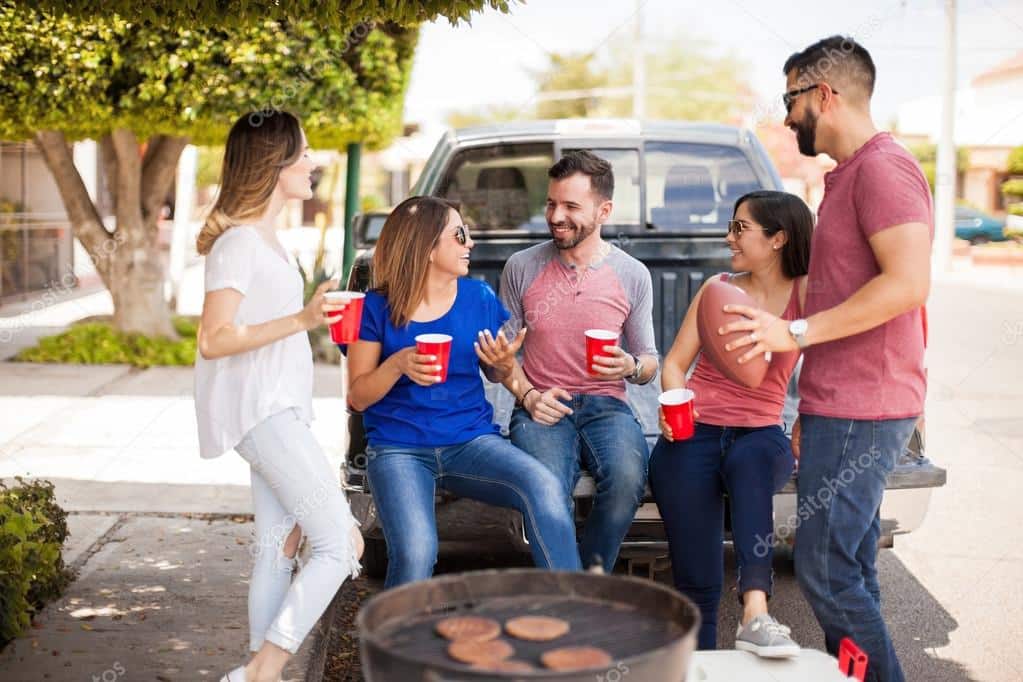

It’s Tailgate Season: Food Safety Without Refrigeration
As football season kicks off and the smell of grilled burgers fills parking lots across the country, tailgating is as much a tradition as the game itself. Friends gather, food is shared, and coolers overflow with snacks, drinks, and barbecue favorites. Amid the celebration lies an often-overlooked risk: foodborne illness. Without reliable refrigeration, popular tailgate foods can quickly enter the “danger zone” where bacteria multiply. Understanding how to keep food safe in these settings is critical for avoiding a game day ruined by food poisoning.
Why Food Safety Is a Bigger Challenge Outdoors
Unlike at home, where refrigerators, sinks, and clean utensils are readily available, tailgating and picnic environments lack the infrastructure to keep food at safe temperatures. Portable coolers and ice can only go so far, and once items are taken out to serve, they may sit out for hours while people graze.
Temperature control is the single most important factor in food safety. The “danger zone” between 40°F and 140°F (4°C–60°C) is where bacteria like Salmonella, E. coli, and Staphylococcus aureus thrive. In just two hours, or one hour if the temperature is above 90°F, food can become unsafe to eat.
High-Risk Tailgate Foods
Some foods are more prone to spoilage and contamination when refrigeration is limited. Common offenders include:
- Deli meats and cheeses – perfect for sandwiches, but susceptible to Listeria monocytogenes.
- Potato salad, coleslaw, and pasta salad – mayonnaise-based dishes can become breeding grounds in warm weather.
- Grilled meats – if undercooked or left out, hamburgers and chicken pose serious E. coli and Salmonella risks.
- Cut fruits and melons – once sliced, their high water content accelerates bacterial growth.
- Egg-based dishes – deviled eggs and egg salads can spoil quickly without cooling.
Knowing these risks helps tailgaters plan better menus and serving methods.
Smarter Packing: Building a Safer Cooler
The cooler is the MVP of outdoor food safety, but how it’s packed makes all the difference. Some tips:
- Pre-chill everything – Don’t put room-temperature items into a cooler. Chill them in the fridge overnight first.
- Use two coolers – One for drinks (which people open frequently) and one for perishable food.
- Layer ice strategically – Ice or frozen gel packs should surround food, with raw meats stored at the bottom to avoid drips onto ready-to-eat items.
- Keep the lid shut – Every time it opens, cold air escapes. Plan to take out what you need, then close it immediately.
Consider investing in higher-quality insulated coolers or portable electric coolers that can plug into a car outlet for added safety.
Cooking and Serving on Game Day
Tailgating often means cooking on-site with portable grills. This presents additional food safety challenges:
- Thaw safely – Never thaw meat on a table. Instead, thaw in the refrigerator before game day, or cook directly from frozen.
- Cook meat to temperature, not appearance – Use a food thermometer: 160°F for ground beef, 165°F for chicken, 145°F for whole cuts of beef, pork, or fish.
- Separate raw and cooked foods – Use different plates and utensils to prevent cross-contamination. Don’t put cooked burgers back on the same platter that held raw patties.
- Follow the two-hour rule – Food should not sit out for more than two hours (one hour in hot conditions). Discard leftovers that linger too long.
Alternatives for Safer Menus
Not every tailgate or picnic food has to be risky. Some items are naturally safer to serve without refrigeration:
- Whole fruits (apples, oranges, bananas)
- Hard cheeses
- Shelf-stable snacks like pretzels, trail mix, or granola bars
- Baked goods like bread, rolls, or cookies
- Individual condiment packets (which avoid cross-contamination and don’t require chilling once opened)
Balancing high-risk foods with safer options reduces overall exposure to foodborne illness.
Cleanliness Counts Too
Lack of running water is another major safety issue at tailgates. Handwashing is critical before preparing or eating food. Some solutions include:
- Bringing a large water jug with a spigot, soap, and paper towels.
- Using alcohol-based hand sanitizers when soap and water aren’t available.
- Packing plenty of clean utensils and disposable wipes for surfaces.
A clean environment is just as important as cold storage in preventing illness.
Final Whistle: Play It Safe
Tailgating and picnicking embody the spirit of community and celebration, but they can also expose people to unnecessary risks if food safety is ignored. The combination of perishable foods, hot weather, and limited refrigeration creates ideal conditions for foodborne pathogens. By planning menus wisely, packing coolers properly, cooking foods to safe temperatures, and following strict hygiene, fans can enjoy their pre-game traditions without worrying about post-game illness.
This tailgating season, remember: keeping food out of the danger zone is just as important as cheering your team to victory.
