

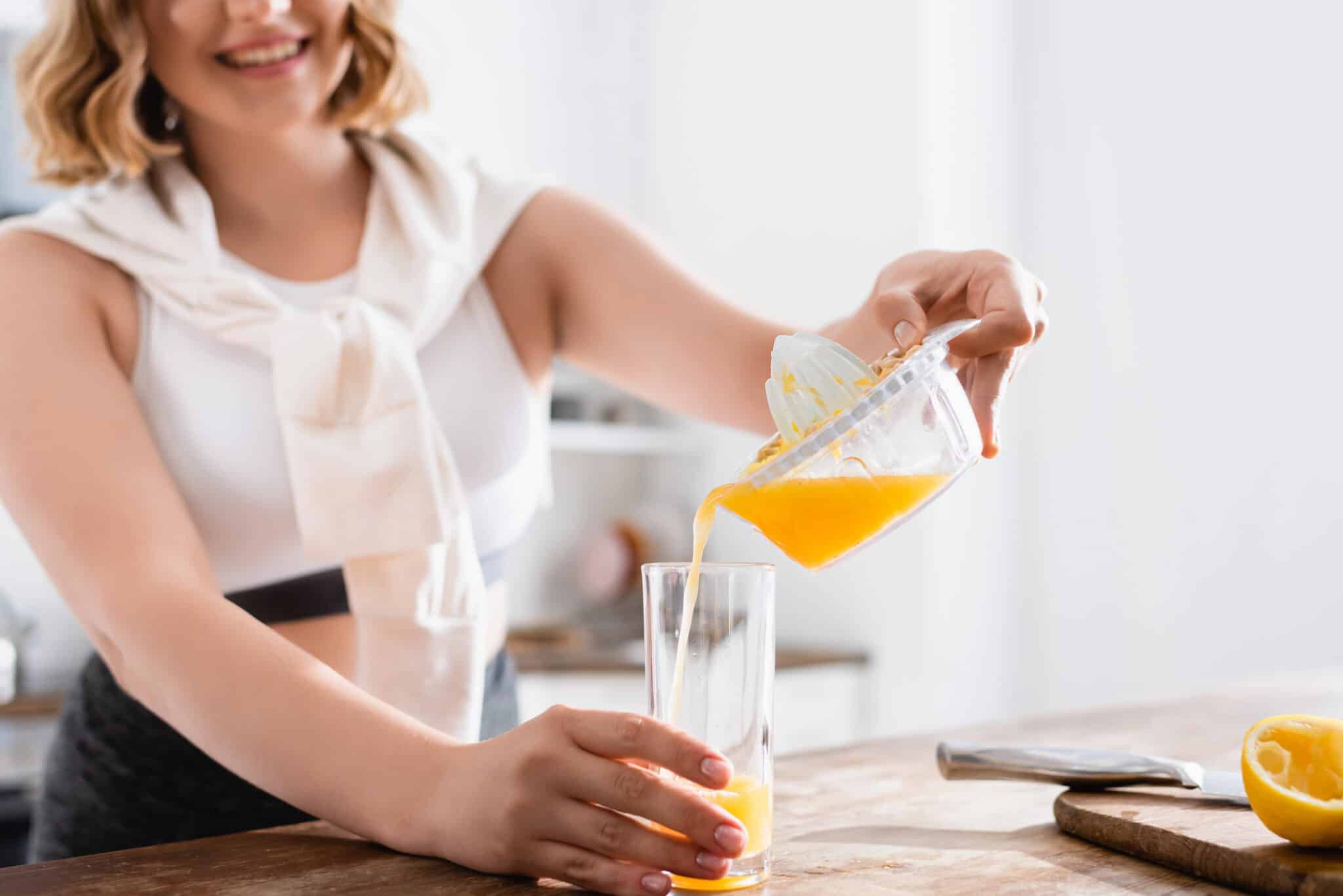

Juice Isn’t Always Pure: How Fresh-Squeezed Drinks Can Carry Dangerous Pathogens
Juice feels like the picture of health. From apple cider at the farmers’ market to green smoothies at your favorite juice bar, “fresh-squeezed” and “all-natural” labels suggest safety and wellness. Parents give juice boxes to kids, and fitness enthusiasts down wheatgrass shots without a second thought.
But behind the colorful branding and promises of purity lies a sobering truth: unpasteurized juice can harbor dangerous pathogens. E. coli, Salmonella, and viruses can slip into your glass long before you take a sip — and because juice isn’t cooked, those microbes survive. Outbreaks across the U.S. show that juice is not always as safe as it seems.
Why Juice Can Be Risky
Juice production seems simple: fruit or vegetables are squeezed, bottled, and served. Yet every step of that process is a potential entry point for pathogens:
- Contaminated produce: Apples dropped on the ground, oranges exposed to manure, or spinach grown with unsafe irrigation water can carry bacteria onto the juicer.
- No kill step: Unlike pasteurized juice, raw juice isn’t heated to kill pathogens. That means bacteria that enter the juice stay alive and active.
- Cross-contamination: Juicing equipment, knives, and blenders often touch multiple fruits and vegetables. If one contaminated apple enters the press, the entire batch can be unsafe.
- Children’s vulnerability: Juice is marketed to kids, but children are especially susceptible to severe complications like hemolytic uremic syndrome (HUS) from E. coli.
Case Study 1: Odwalla Apple Juice and E. coli (1996)
One of the most famous juice-related outbreaks in U.S. history came in 1996. The Odwalla brand, known for its “fresh and pure” image, distributed unpasteurized apple juice that carried E. coli O157:H7.
- Impact: The CDC confirmed 70 illnesses across several states, with the majority among young children. Tragically, a 16-month-old child died.
- Cause: Investigators determined that apples used in production had fallen on the ground and were contaminated with animal feces. Without pasteurization, the bacteria were pressed into juice and shipped nationwide.
- Why it mattered: Odwalla was forced to recall thousands of bottles and later added a flash pasteurization process to its juices. The outbreak permanently changed how Americans view “all-natural” juice.
Case Study 2: Salmonella and Orange Juice (2005)
Nearly a decade later, another outbreak showed that apple juice wasn’t the only culprit. In 2005, the CDC investigated an outbreak of Salmonella linked to unpasteurized orange juice.
- Impact: At least 152 cases were reported across 23 states. Several hospitalizations occurred, though no deaths were recorded.
- Cause: The outbreak was linked to unpasteurized orange juice distributed by a large producer. Contamination likely occurred at the processing stage, where unsanitary handling allowed bacteria to survive and multiply.
- Why it mattered: Unlike apple cider at farmers’ markets, this was a mainstream product sold in large volumes. The outbreak highlighted how risky unpasteurized juice can be even at the national distribution level.
What These Outbreaks Teach Us
Both outbreaks underline a critical point: juice is only as safe as its weakest link. Whether it’s an apple dropped in manure or unsanitary handling at a juicing facility, once contamination enters raw juice, there’s nothing to kill it.
Consumers often assume that “healthy” drinks are safe, but juice is no different from meat or eggs in its potential to carry pathogens. In fact, because juice is liquid, bacteria spread evenly throughout — meaning every sip carries risk.
Who Is Most at Risk?
While anyone can get sick from contaminated juice, certain groups face higher danger:
- Children under 5 — more likely to develop HUS after E. coli infection.
- Pregnant women — at risk of severe complications from Listeria or Salmonella.
- Elderly adults — weakened immune systems can’t fight infection as effectively.
- Immunocompromised individuals — any bacterial infection can become life-threatening.
How to Protect Yourself
The CDC offers straightforward advice to reduce juice-related risks:
- Choose pasteurized juice — look for labels that confirm pasteurization or heat treatment.
- Be cautious at farmers’ markets — ask if cider or juice has been pasteurized. If not, avoid giving it to children, pregnant women, or elderly family members.
- Wash produce before juicing — scrubbing fruit reduces (but doesn’t eliminate) contamination.
- Keep it cold — bacteria thrive in room-temperature juice. Refrigerate immediately and discard juice left out for more than two hours.
Industry Responsibility
Juice producers have learned from past outbreaks. Today, many brands use flash pasteurization or ultraviolet (UV) treatment to kill pathogens without altering flavor. Still, some “raw juice” brands resist pasteurization for marketing reasons.
The law now requires unpasteurized juice to carry a warning label:
“”This product has not been pasteurized and therefore may contain harmful bacteria that can cause serious illness in children, the elderly, and persons with weakened immune systems.”
Yet not every consumer reads or heeds these warnings — and outbreaks continue to happen.
Final Thoughts
Juice may look like the epitome of health, but appearances can be deceiving. The Odwalla E. coli outbreak of 1996 and the Salmonella outbreak in 2005 remind us that “all-natural” does not mean risk-free.
The takeaway isn’t to fear every glass of juice. Pasteurized juices remain safe and nutritious. But for raw or unpasteurized juice, caution is essential — especially for vulnerable groups.
Next time you’re tempted by a rustic jug of apple cider or a trendy cold-pressed juice, remember: purity isn’t always protection. Sometimes, what looks freshest may be the most dangerous.
