

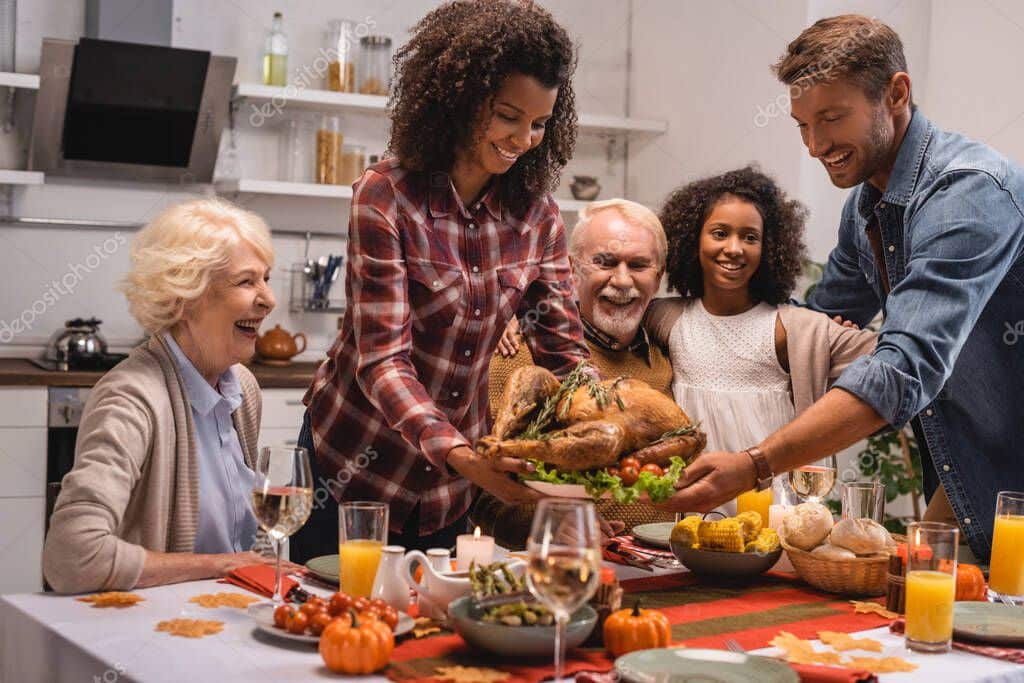

Thanksgiving is one of the most celebrated food holidays in the United States, a day defined by large gatherings, abundant meals, and hours-long feasting around a shared table. But the very traditions that make Thanksgiving comforting also create ideal conditions for food-borne pathogens to flourish. One of the most important—and most frequently overlooked—food-safety principles is the “two-hour rule”: the guideline advising that cooked food should not remain at room temperature for more than two hours. Once that window closes, the risk of bacterial growth increases sharply, transforming beloved dishes such as turkey, stuffing, mashed potatoes, and gravy into potential vectors for illness. The holiday’s leisurely pace, with guests chatting for extended periods and returning repeatedly for seconds, makes it easy for food to sit out far too long. Understanding why this matters, and how quickly bacteria can multiply under these conditions, is essential for protecting family and guests from preventable Thanksgiving food-borne illness.
The reason for the two-hour rule is rooted in microbiology. Food-borne pathogens thrive in what experts call the “danger zone,” the temperature range between 40°F and 140°F. Within this range, bacteria like Salmonella, Staphylococcus aureus, Clostridium perfringens, Campylobacter, and E. coli can multiply rapidly—sometimes doubling in number every 20 minutes. On Thanksgiving, foods typically come out of the oven piping hot, well above 140°F, but they cool quickly once placed on the table or buffet line. As they descend into the danger zone, they create ideal conditions for bacterial replication. Turkey and stuffing are especially high-risk because they are protein-rich and moisture-dense, both characteristics that support bacterial growth. Even vegetables, casseroles, and desserts (especially those containing dairy or eggs) can become contaminated if left out too long. What begins as a safe, delicious holiday meal can transform into a bacterial breeding ground well before the evening concludes.
One of the more serious risks associated with leaving Thanksgiving food out too long is Clostridium perfringens, one of the top causes of holiday food-borne illness in the United States. C. perfringens spores are naturally present in the environment and often found in raw meats, poultry, and even slow-cooked dishes like gravies and stews. While thorough cooking kills vegetative cells, spores can survive and reactivate once food enters the danger zone. When foods sit out on the table for extended periods, especially large portions of turkey or stuffing that cool slowly, these spores can germinate and multiply rapidly. Because C. perfringens toxin acts in the intestines rather than the stomach, symptoms—cramping, vomiting, and diarrhea—can appear as early as six hours after the meal. This rapid onset leads many families to misinterpret it as a “24-hour stomach bug” rather than recognizing it as preventable food poisoning.
Salmonella is another significant concern, particularly if the turkey was not cooked evenly or if juices from raw poultry contaminated serving dishes or utensils. Even when the turkey reaches a safe internal temperature, leaving carved turkey slices at room temperature for several hours gives any surviving bacteria or reintroduced contaminants a chance to multiply. The same applies to stuffing. If stuffed inside the bird, stuffing absorbs juices from raw turkey and must reach 165°F at its center to be safe. Yet even properly cooked stuffing can become hazardous if kept at room temperature too long. Warm, moist, carbohydrate-rich stuffing is an ideal environment for the growth of Salmonella and E. coli once it cools below 140°F.
Dairy-heavy dishes—such as green bean casseroles with cream sauces, mashed potatoes mixed with butter and milk, macaroni and cheese, and pumpkin pies made with eggs—also pose risks. These foods can quickly reach temperatures that support bacterial growth, especially on crowded tables where dishes sit close together, retain heat unevenly, and cool unpredictably. Even seemingly benign foods like dinner rolls or cranberry sauce can become problematic if cross-contamination occurs. Guests using the same utensils for multiple dishes, sneaking tastes while cooking, or touching food items with unwashed hands can introduce pathogens that thrive once the food is left out too long.
Another danger lies in home kitchens that underestimate how quickly Thanksgiving foods cool. A common misconception is that food remains safe simply because it is still warm to the touch. However, bacteria do not require cold temperatures or complete cooling to begin multiplying; they only need the food to dip below 140°F. Large cuts of turkey cool from the outside inward, meaning the exterior may already be deep within the danger zone even while the interior feels hot. Gravy cools even faster because of its thin consistency and large surface area. This is why food-safety guidelines recommend keeping hot foods hot—using warming trays, slow cookers, steam tables, or ovens set to 200°F—until mealtime is over. Once active serving ends, the food must be refrigerated promptly to prevent bacterial proliferation.
Improper handling of leftovers adds a second layer of risk. Many families leave Thanksgiving leftovers on the table while socializing, watching football, or preparing dessert, assuming they will pack everything away later. By the time wrapping and storage finally occur, it may have been three or four hours—or longer—since the food left the oven. Even then, large containers of leftovers may not cool quickly enough in the refrigerator. Dense foods like turkey and stuffing can remain in the danger zone for hours inside thick storage containers, allowing bacteria to keep multiplying. Food-safety experts recommend dividing leftovers into shallow containers no more than two inches deep to promote rapid cooling. This simple step drastically reduces the risk of dangerous bacterial growth.
Another overlooked issue is reheating. Many Thanksgiving-related illnesses occur not at the initial meal, but the following day, when improperly stored leftovers are inadequately reheated. Reheating to at least 165°F throughout is essential for killing bacteria that may have proliferated. Warmed-over casseroles, lukewarm gravies, and partially reheated turkey slices are all common culprits in post-holiday outbreaks. The casual nature of “day-after-Thanksgiving” meals, where guests graze throughout the day, increases the likelihood that reheated foods will again be left out more than two hours—repeating the same unsafe conditions that caused the initial contamination.
The consequences of leaving Thanksgiving food out too long can range from mild stomach upset to severe complications. While many cases resolve within a day or two, food-borne pathogens can cause hospitalization, dehydration, kidney injury, or, for vulnerable individuals, life-threatening illness. Young children, pregnant women, older adults, and individuals with weakened immune systems are particularly susceptible to complications. Outbreaks linked to improper holiday food handling are well-documented by public-health agencies each year, with some cases tied directly to Thanksgiving gatherings where food remained on the table for extended periods.
Despite these risks, preventing Thanksgiving food-borne illness is entirely achievable with simple, proactive steps. The key is recognizing the importance of temperature control and the time limits associated with food safety. The two-hour rule is not arbitrary; it is a microbiologically validated guideline grounded in decades of research on bacterial behavior. Ensuring that food is served hot, stored promptly, and reheated properly can eliminate the majority of holiday food-borne illness cases. Families can still enjoy lingering conversations, second helpings, and the warmth of the season—so long as they respect the microbial realities that come with abundant holiday meals.
Ultimately, Thanksgiving is a celebration of togetherness, gratitude, and shared traditions. But no holiday tradition is worth the misery of preventable illness. Understanding how quickly bacteria grow on improperly handled food—and why the two-hour rule matters—empowers families to serve Thanksgiving meals that are both memorable and safe. With thoughtful planning and awareness, it is entirely possible to preserve the joy and warmth of the holiday while keeping unwanted pathogens off the menu.
