

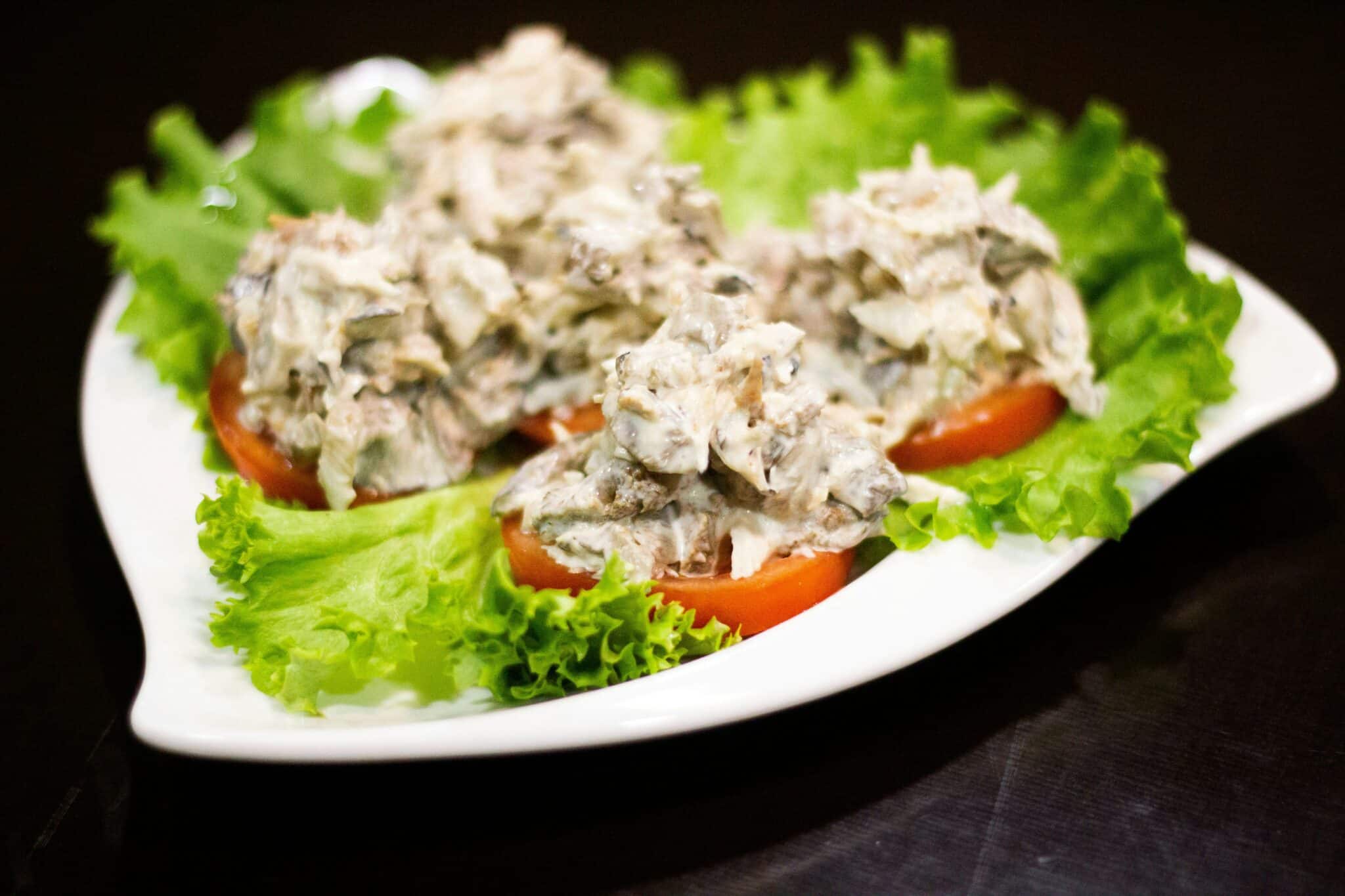

In mid‑July 2025, multiple grocery chains across seven U.S. states issued a voluntary recall of various tuna salad products produced by Reser’s Fine Foods. The recall was prompted by concerns over Listeria monocytogenes contamination in breadcrumbs used as an ingredient. The affected products were sold as ready‑to‑eat sandwiches, snack trays, and deli‑case salads at Jewel‑Osco, Albertsons, Randalls, and Tom Thumb stores.
Scope of the Recall
The recall was announced on July 21, 2025, covering items with sell‑thru dates from July 16 to July 19, 2025. Popular products included:
- Club sandwiches with tuna salad at Jewel-Osco
- Tuna salad snack trays, croissant sandwiches, and salads at Albertsons, Randalls, and Tom Thumb
The recall affected stores in:
| Store | States |
| Jewel‑Osco | Illinois, Indiana, Iowa |
| Albertsons/Randalls/Tom Thumb | Arkansas, Louisiana, Oklahoma, Texas |
Why Listeria Matters
Listeria monocytogenes is a concern because it can survive—and even thrive—in refrigerated environments. For most healthy individuals, it may cause mild symptoms such as fever, muscle aches, nausea, and diarrhea. But it can cause severe and sometimes fatal infections in high-risk groups, including:
- Pregnant women (risking miscarriage or stillbirth)
- Older adults
- Infants and young children
- People with weakened immune systems
Fortunately, no illnesses have been reported in connection with this recall so far, but because Listeria infections can take up to two weeks to develop, regulators are urging vigilance.
How the Contamination Happened
The root cause appears to be contaminated breadcrumbs used in producing the tuna salad. The breadcrumbs themselves may have been tainted with Listeria, which then contaminated the finished product. Once contaminated, tuna salad is particularly risky because it’s ready-to-eat, no additional cooking is involved before consumption.
What Consumers Should Do
If you’ve purchased any of the recalled tuna salad items:
- Do not consume them—even if they smell or look fine.
- Return the products to the store for a full refund or discard them safely.
- Clean and sanitize any containers, utensils, or refrigerators that touched the product—Listeria can survive at refrigeration temperatures
If you experience symptoms like fever, muscle aches, nausea, diarrhea, or stiff neck—especially if you belong to a high-risk group—seek medical attention immediately.
What Retailers Are Doing
Both Jewel‑Osco and Albertsons Companies have issued voluntary recalls and are working closely with the FDA to ensure all items are removed from shelves. Products can be returned to any of the affected stores. Customer service lines are available for questions or concerns: Albertsons Companies Customer Service: 1‑877‑723‑3929.
Broader Food Safety Lessons
This incident serves as a stark reminder of the hidden risks posed by processed and ready-to-eat foods. Key takeaways include:
- Cross-contamination in production: Ingredient sourcing is critical as contaminated components can infect entire batches.
- Listeria’s resilience: Its ability to survive in cold temperatures demands strict sanitation protocols in food production.
- Traceability and rapid response: Deeply tracking ingredients and sell‑through dates, July 16–19, helps retailers and consumers act fast.
Staying Safe at Home
To protect yourself and your family from Listeria and other foodborne pathogens:
- Avoid ready-to-eat foods with uncertain sourcing, especially during recall windows.
- Thoroughly wash hands and disinfect surfaces, especially after handling potentially contaminated products.
- Check recall alerts regularly, including FDA sites or trusted sources like EatingWell’s recall hub.
Final Note
While this tuna salad recall has not yet been linked to illness, it highlights how quickly Listeria monocytogenes can spread via processed foods. Vulnerable groups, such as pregnant women and the elderly, should be especially vigilant.
For now, returns, cleanups, and awareness are the best defenses. In the bigger picture, this event underscores the importance of modern food safety systems, from thorough ingredient checks to timely recalls, to keep consumers safe.
Stay informed, stay safe, and always treat refrigerated deli items with caution.
