

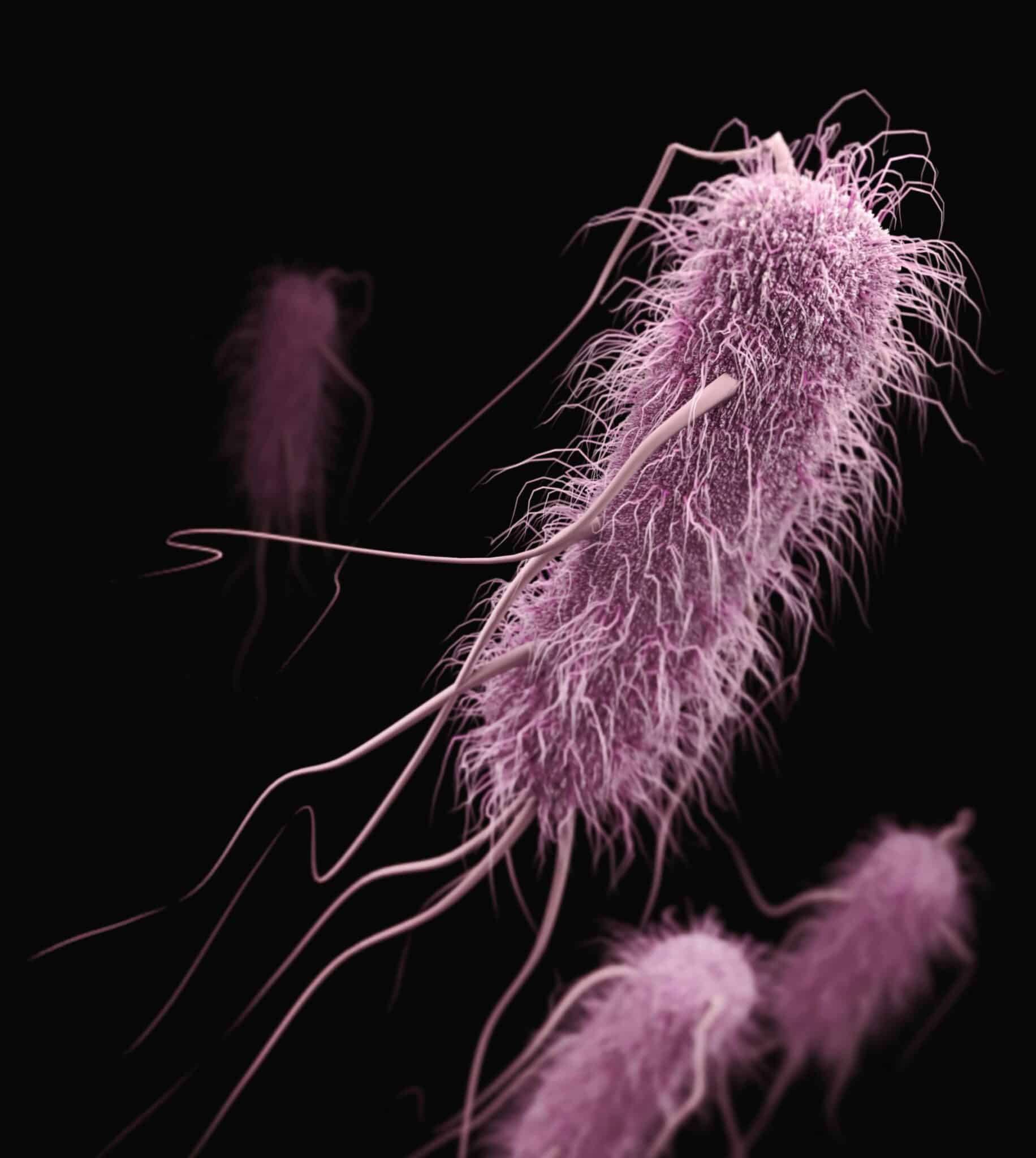

In the landscape of foodborne pathogens, Listeria monocytogenes stands apart for its formidable resilience and devastating potential. While most foodborne bacteria can be controlled through refrigeration and sanitation, certain Listeria strains demonstrate a remarkable ability to become permanent “residents” within food processing facilities, evading eradication efforts for years or even decades. This persistence poses a constant threat to food safety, transforming seemingly clean industrial environments into perpetual sources of contamination. Understanding how these pathogens establish long-term footholds in manufacturing facilities, the environmental niches they occupy, and the rigorous monitoring required to detect them represents a critical frontier in protecting the food supply.
The challenge lies in Listeria’s biological arsenal, a combination of traits that enable it to survive stressors that eliminate other pathogens. It can grow across a temperature spectrum from -0.4°C to 45°C, allowing it to thrive under refrigeration conditions that inhibit other bacteria. It tolerates salt concentrations up to 20%, survives across a broad pH range from 4.6 to 9.5, and persists at relatively low water activity (a𝔀 < 0.90). These characteristics make Listeria uniquely suited to endure the challenging conditions often present in food production facilities, including cold, acidic, and high-salt environments.
The Survival Mechanisms of a Persistent Pathogen
The ability of Listeria monocytogenes to establish long-term residency in food processing environments stems from both innate biological characteristics and adaptive survival mechanisms. Scientific research has revealed that persistent strains often possess specific genomic features that enhance their ability to withstand environmental stressors, though the complete understanding of these mechanisms across different strains remains limited. What distinguishes these persistent strains is their exceptional capability to adapt and respond to the very control measures designed to eliminate them.
Biofilm Formation
One of the most significant factors contributing to Listeria persistence is its ability to form biofilms, structured communities of bacterial cells encased in a protective polymeric matrix. These biofilms act as biological fortresses, shielding embedded cells from environmental stress conditions encountered in food-production facilities, particularly cleaning and disinfection protocols. The quality of Listeria biofilms varies considerably depending on the specific strain, growth medium, temperature, incubation time, and the nature of the surface to which they attach.
Strong biofilm-forming isolates can develop these complex structures within just 24 hours on surfaces commonly found in food-industry facilities, including stainless steel, ceramic tiles, high-density polyethylene plastics, polyvinyl chloride pipes, and glass. Research has demonstrated that flagella-mediated motility plays a crucial role in both the initial surface attachment and subsequent biofilm formation by Listeria, enabling the bacteria to establish a foothold before developing into more complex communities.
Defining Persistence in Food Environments
In scientific terms, persistent Listeria monocytogenes strains are defined as isolates (clones) that are repeatedly recovered from the same source or niche at intervals of six or more months. These isolates are molecularly indistinguishable when analyzed through genome-based methods such as Whole Genome Sequencing (WGS). This persistence is not random; certain sequence types, including ST9, ST2, ST3, ST4, ST6, ST155, ST8, ST619, ST299, and ST121, have been frequently isolated from various food products and food-production environments across multiple studies.
The recovery of these genetically identical persistent strains from food-production environments and facility equipment even after cleaning and disinfection underscores the ongoing risk. This is particularly problematic in sites difficult to access, where the bacteria can thrive and subsequently contaminate food products. Evidence suggests that persistent strains can transfer between various food-production facilities through contaminated environments at different points on the production chain or via contaminated equipment, spreading the problem beyond a single location.
Environmental Niches
Within food processing facilities, Listeria does not randomly distribute itself but instead colonizes specific environmental niches that provide suitable conditions for survival and growth. These niches often share common characteristics: they may be difficult to access for cleaning, retain moisture, or provide protective surfaces for biofilm formation. Identifying these high-risk areas is fundamental to effective environmental monitoring and control programs.
High-Risk Zones and Transfer Points
Drains represent one of the most frequently identified reservoirs for persistent Listeria in processing facilities. The constant presence of moisture, nutrient availability, and relative protection from routine cleaning makes drains ideal colonization sites. Similarly, equipment joints, cracked surfaces, and hollow framework in equipment provide sheltered areas where Listeria can establish protected communities away from direct sanitation efforts. Floors, particularly in areas where water is used, can also harbor persistent strains, especially when cracks or damage create difficult-to-clean microenvironments.
The cross-contamination risk from these niches cannot be overstated. A compelling case study (from Facilities A, B, and C), revealed in environmental monitoring research, demonstrated how Listeria contamination on a slicer led to the contamination of pastrami and salami used as salad toppings in Facility B. While unopened blocks of the ingredients tested negative for Listeria, the finished sliced products tested positive. Subsequent sampling revealed that contamination on the slicer was more extensive after use than before use, indicating how equipment can serve as a transmission point from the environment to food products.
The same study highlighted the risk of cross-zone contamination when Listeria serotype 4b was detected throughout dirty, semi-clean, and clean areas of Facility C. The strain was isolated from the wheels of a smoking cart that traveled across these zones, demonstrating how mobile equipment can serve as a vehicle for spreading persistent strains throughout a facility.
Table: Common Environmental Niches for Persistent Listeria in Food Processing Facilities
| Location Category | Specific Examples | Risk Factors |
| Equipment Surfaces | Slicers, conveyor belts, hollow equipment framework, equipment joints | Difficult to clean thoroughly, multiple surfaces, protective niches |
| Structural Elements | Drains, cracked floors, floor/wall junctions, ceramic tiles | Moisture retention, protection from sanitation, difficult to access |
| Mobile Equipment | Smoking carts, wheeled items, pallets | Movement between zones, spreading contamination |
| Utilities & Accessories | PVC pipes, glass surfaces, high-density polyethylene plastics | Surface properties conducive to biofilm formation |
Rigorous Environmental Monitoring
Given the stealthy nature of persistent Listeria and its propensity for hard-to-reach niches, food manufacturers implement comprehensive Environmental Monitoring Programs (EMPs) specifically designed to detect this pathogen before it contaminates food products. These programs represent a critical component of modern food safety systems, serving as early warning systems that identify potential contamination issues before they escalate into public health crises.
Strategic Sampling Approaches
Effective EMPs employ risk-based sampling plans that focus on areas where Listeria is most likely to exist and potentially contaminate products. According to industry guidelines from organizations like the American Frozen Food Institute (AFFI), these programs should be dynamic, incorporating static, rotating, and random sampling sites that account for various risk factors. These factors include whether areas are designated as raw material or post-lethality/high hygiene zones, the age and condition of the facility and equipment, historical contamination patterns, and product type.
The concept of hygienic zoning is fundamental to structured EMPs. Facilities are typically divided into zones based on risk:
- Zone 1: Direct food contact surfaces (e.g., processing equipment, conveyors)
- Zone 2: Non-food contact surfaces close to product (e.g., equipment frames, room partitions)
- Zone 3: Non-food contact surfaces further from product (e.g., floors, walls, drains)
- Zone 4: Areas remote from product (e.g., storage areas, locker rooms)
Each zone requires different monitoring frequencies, with Zone 1 areas receiving the most intensive scrutiny. For food contact surfaces, recommendations include collecting EMP samples at least weekly from various levels (eye level, below, and above), with some guidelines suggesting more than 55 swabs per 50,000 square feet per week, adjusted based on risk assessment.
Advanced Detection and Typing Methods
Modern detection of persistent Listeria strains has been revolutionized by molecular typing methods that provide unprecedented resolution for identifying and tracking specific strains. While traditional culture methods remain important for detecting the presence of Listeria, advanced genetic techniques now enable investigators to determine whether isolates collected over time represent the persistent strain.
Whole Genome Sequencing (WGS) has emerged as a particularly powerful tool in this regard. This method involves decoding the complete DNA fingerprint of Listeria bacteria isolated from both environmental samples and food products. By comparing these genetic sequences, investigators can establish precise links between persistent environmental contamination and specific strains, enabling more targeted control measures. WGS-based approaches have largely supplanted earlier typing methods such as pulsed-field gel electrophoresis and multi-locus sequence typing (MLST) due to their superior discriminatory power.
Core genome MLST (cgMLST) schemes, which analyze sequences from thousands of gene loci (typically 1,013 to 1,827 loci, with one common scheme using 1,748 gene loci), translate genetic variation into numerical profiles that are computationally efficient to analyze. These sophisticated typing methods have revealed that certain sequence types are more frequently associated with persistence in food processing environments, providing valuable insights for targeted intervention strategies.
Corrective Actions
When environmental monitoring detects Listeria in a processing facility, immediate and comprehensive corrective actions are essential to prevent further establishment and potential product contamination. Industry guidelines emphasize that positive findings should trigger immediate retesting to establish consecutive negative results (a minimum of three), followed by source identification through vectored sampling to locate the root cause of the contamination.
The experience from Facility A provides an instructive case study in effective response. When Listeria was detected in a clean area (although in Zone 3, non-food-contact surfaces), investigators examined cleaning practices and found that normal cleaning combined with disinfection using carbonated hypochlorite water with a chlorine concentration of 150 ppm proved effective. This demonstrates the importance of not only identifying the presence of Listeria but also validating the efficacy of elimination methods.
For equipment found to be contaminated, such as the slicer in Facility B, complete disassembly, thorough cleaning, and disinfection are necessary. The extensive contamination discovered after use highlighted how equipment can serve as amplification and distribution points for persistent strains, necessitating more intensive cleaning protocols and potentially redesigning equipment for better cleanability.
Analysis & Next Steps
The application of Whole Genome Sequencing has revolutionized our understanding of Listeria persistence, providing unambiguous genetic evidence that identical strains can colonize processing environments for years. Recent research has identified specific genetic lineages (particularly lineages I and II) and sequence types (including ST9, ST2, ST3, ST4, ST6, ST155, ST8, ST619, ST299, and ST121) that are frequently associated with persistence in food environments. Scientists are now uncovering the specific molecular mechanisms, including enhanced biofilm formation and stress adaptation, that enable certain strains to survive sanitation efforts.
Listeria persistence represents a direct threat to public health, with invasive listeriosis carrying a mortality rate of 20-30%, primarily affecting elderly, immunocompromised, and pregnant individuals. The presence of persistent strains in processing environments has been directly linked to outbreaks, as evidenced by the 2023 stone fruit outbreak that caused 11 illnesses, 10 hospitalizations, and one death.
“For food manufacturers, persistent Listeria strains can lead to costly recalls, damage to brand reputation, potential regulatory action, and legal consequences,” said Listeria lawyer Ron Simon, whose firm Ron Simon & Associates represented victims in the 2024 deadly Listeria outbreak linked to contaminated Boar’s Head sliced deli meats.
The recent public health alert for ready-to-eat meals containing pasta potentially contaminated with Listeria demonstrates how persistent contamination can disrupt the food supply chain.
Multiple stakeholders are impacted by the challenge of persistent Listeria. Food manufacturers across all sectors, particularly those producing ready-to-eat products, must invest significant resources in environmental monitoring and control programs. Regulatory agencies including the FDA, USDA-FSIS, and international counterparts continue to refine guidance and requirements for Listeria control. Most importantly, consumers, particularly vulnerable populations such as pregnant women, older adults, and immunocompromised individuals, face potential health risks when control measures fail.
Moving forward, a multi-faceted approach is essential. Food manufacturers should implement comprehensive Listeria Control Programs that address seven core areas: hygienic design, sanitation controls, environmental monitoring, process validation, hygienic zoning, freezer management, and good manufacturing practices. Research priorities should focus on further elucidating the genetic basis of persistence and developing more effective intervention strategies. Regulatory bodies must continue to refine evidence-based guidelines based on the latest scientific findings. Consumers, particularly those in high-risk groups, should follow food safety recommendations regarding proper handling and avoidance of high-risk foods when appropriate.
The battle against persistent Listeria in food processing environments continues to evolve. Through continued scientific research, technological innovation in detection methods, rigorous adherence to comprehensive environmental monitoring programs, and implementation of effective control strategies, the food industry can work to dislodge these persistent inhabitants and enhance the safety of the food supply. The factory contaminant may be tenacious, but systematic and science-based approaches provide the most promising path toward protection of public health.
