

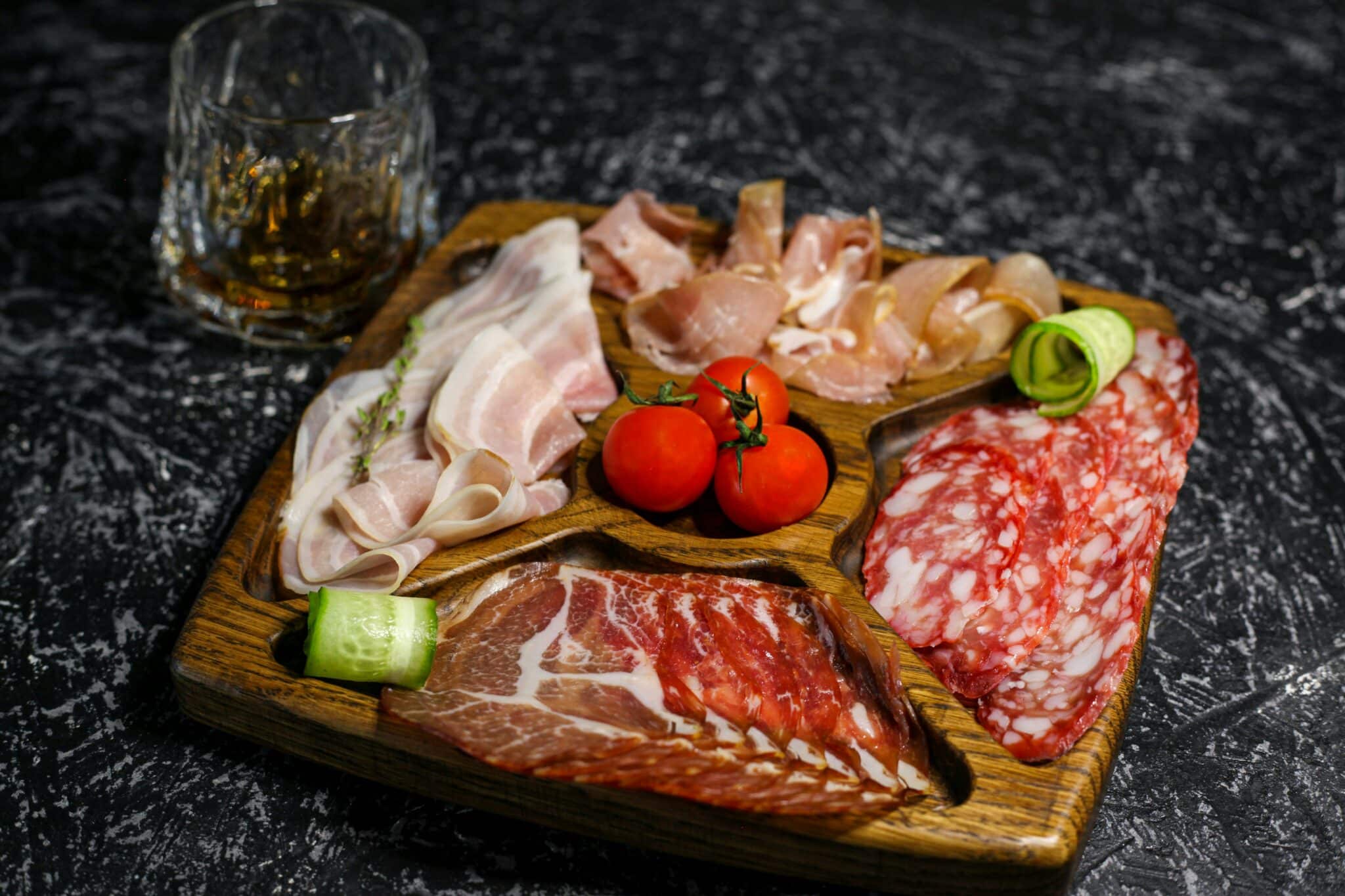

For many Americans, deli meats are a lunchbox staple—pre-sliced, ready-to-eat, and convenient. They show up in school sandwiches, office meals, road trip snacks, and hospital trays. But behind that easy slice of turkey or ham can lurk a dangerous bacterium: Listeria monocytogenes. Unlike many foodborne pathogens, Listeria thrives in cold environments, making refrigerated meats particularly vulnerable. And when contaminated deli meats enter the food supply, the consequences can be devastating.
Why Deli Meats Pose a Unique Risk
What sets Listeria apart from other pathogens like E. coli or Salmonella is its ability to survive—and even grow—in refrigerated temperatures. This means that contamination can persist in cold storage and spread across processing surfaces, equipment, and final products.
Deli meats, which often skip a final cook step and are eaten cold, give Listeria the perfect vehicle. Once sliced and packaged, even minimal contamination can make its way into consumer homes, hospitals, and nursing facilities—where vulnerable populations are most at risk.
Who’s Most at Risk?
Listeria is particularly dangerous for:
- Pregnant individuals (risking miscarriage, stillbirth, or newborn infection)
- Adults over 65
- People with weakened immune systems
- Individuals undergoing chemotherapy or with chronic illnesses
Symptoms of listeriosis may include fever, muscle aches, fatigue, and gastrointestinal distress. Invasive infections can lead to septicemia, meningitis, or fetal loss. The CDC estimates that Listeria causes about 1,600 illnesses and 260 deaths annually in the U.S.—and ready-to-eat meats are among the top culprits.
Case 1: 2020 Multistate Listeria Outbreak Linked to Deli Meats
In interviews conducted by public health officials, every one of the nine individuals queried reported eating Italian-style deli meats—such as salami, mortadella, or prosciutto—purchased either prepackaged or sliced at deli counters. Epidemiological data pointed to deli meat handling, especially Italian-style cured meats, as the most likely source .
Despite extensive traceback efforts, no single supplier or brand was identified—underscoring how widespread deli counter contamination and shared slicing equipment can spread Listeria across products and locations
Case 2: 2015 Blue Bell Ice Cream Listeria Outbreak
In 2015, Blue Bell Creameries became the center of a nationwide Listeria monocytogenes outbreak that sickened 10 people across four states and resulted in three deaths. The contamination was traced to ice cream produced at facilities in Texas and Oklahoma. Notably, several of the affected individuals were hospitalized patients who had consumed single-serve Blue Bell ice cream cups during their stay.
The outbreak prompted Blue Bell to issue a total recall of all its products and temporarily halt production. Investigations by the FDA revealed unsanitary conditions and persistent Listeria contamination on food-contact surfaces within the company’s plants. The case served as a wake-up call for the frozen food industry and highlighted how even refrigerated, seemingly low-risk foods can harbor deadly pathogens if proper sanitation procedures aren’t followed.
How Does Contamination Happen?
Listeria contamination in deli meats can happen at various stages:
- During production: If processing equipment isn’t properly cleaned and sanitized, Listeria can persist in slicers, conveyors, and packaging machines.
- Post-processing: Even fully cooked meats can become contaminated after cooking, especially during slicing or packaging.
- Retail handling: Delis and grocery stores often slice meats to order. Improper cleaning of slicing machines or cross-contamination from other items can easily spread bacteria.
Because Listeria can survive for weeks—even months—in refrigerated conditions, small lapses in hygiene can lead to widespread outbreaks over time.
What’s Being Done to Prevent It
Federal regulations now require meat processing plants to follow strict sanitation controls and environmental testing for Listeria. Many companies have implemented “high-pressure processing” (HPP), which uses cold water pressure to kill bacteria without cooking the meat.
Some brands also use antimicrobial packaging to reduce the risk of growth during shelf life. Still, outbreaks continue to occur—often due to human error or missed contamination points during production and handling.
In recent years, the USDA has pushed for more transparency and frequent testing. However, oversight at the deli counter level is harder to enforce, especially at smaller grocery stores or independently owned facilities.
What Consumers Can Do
To lower your risk when consuming deli meats:
- Buy vacuum-sealed packages instead of freshly sliced meat from the deli counter.
- Eat within 3–5 days of opening the package, even if it hasn’t expired.
- Avoid deli meats entirely during pregnancy, unless reheated to 165°F.
- Clean your fridge regularly, especially if storing open meats.
- Check recall alerts from the USDA or CDC regularly, especially if you frequently buy RTE meats.
If you’re serving deli meats in hospitals, elder care centers, or at large gatherings, proper storage and handling are even more critical.
Legal Accountability and Public Awareness
Outbreaks linked to deli meats have led to lawsuits against both meat producers and the institutions that served them. Legal action often reveals deeper issues, such as inadequate testing, ignored sanitation protocols, or failures in food traceability.
Firms like Ron Simon & Associates, who specialize in foodborne illness litigation, help victims hold companies accountable. Compensation can cover not just medical costs, but also lost income, long-term complications, and emotional distress.
Beyond compensation, these cases raise public awareness and often result in improved food safety measures—making the system safer for everyone.
Final Thoughts: A Familiar Food with Hidden Risks
Deli meats may be familiar, fast, and flavorful—but they’re not without risks. Listeria contamination remains a serious concern, especially when products are mishandled or consumed by vulnerable individuals.
The next time you order a turkey sandwich or pack a ham wrap in your child’s lunchbox, remember: the convenience of ready-to-eat doesn’t guarantee safety. Read labels, follow safe storage practices, and when in doubt—heat it up.
Because what seems like a simple slice can carry more than flavor. It can carry the weight of an outbreak.
