

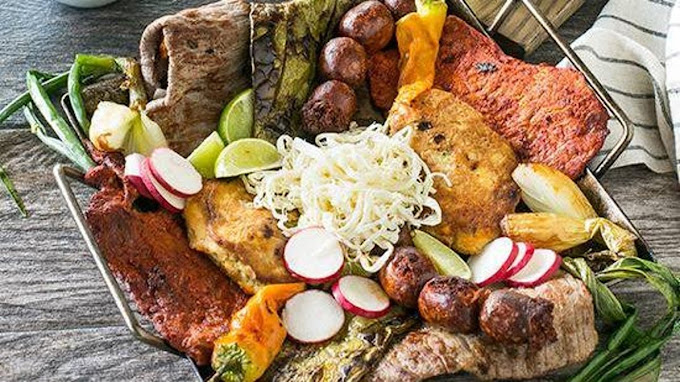

Summary of the Madre Oaxacan Restaurant Food Poisoning Outbreak
In September 2024, a Salmonella outbreak was traced to the Madre Oaxacan Restaurant & Mezcaleria in Valencia, California. This outbreak sickened at least 45 people, with reports of food poisoning beginning around September 13, 2024. Symptoms reported included gastrointestinal distress, such as diarrhea, abdominal pain, fever, nausea, and body aches. The Los Angeles County Department of Public Health became involved after receiving multiple reports of illness, and by September 17, they initiated an investigation into the restaurant.
The health department responded by temporarily closing the restaurant due to “imminent health hazard for disease transmission.” Initially, four people reported symptoms, but that number quickly grew to over 30 confirmed cases by late September and continued to rise. The affected customers had eaten a range of foods, but some items suspected to be involved included tamales, pico de gallo, and queso fresco, as they were found in storage conditions that did not meet health standards.
Health Violations and Investigation Findings
During the investigation, health inspectors discovered multiple violations at Madre Oaxacan. Some of the more severe infractions included improper food storage, mold inside an ice machine, and unsanitary food preparation surfaces. These conditions created an environment where cross-contamination was likely, contributing to the Salmonella outbreak. Specifically, inspectors found that some kitchen equipment, such as cutting boards and pots labeled as “clean,” had food residue and mold buildup. These major violations underscored the restaurant’s failure to maintain proper hygiene and food safety practices.
Furthermore, nine of the restaurant’s employees, including kitchen staff, tested positive for Salmonella, further compounding concerns about internal contamination and the potential spread of infection through food handling. As part of the investigation, the health department required stool tests for all employees to identify carriers and prevent further transmission.
Legal and Public Health Implications
The Salmonella outbreak prompted legal actions, including Madre Oaxacan Salmonella lawsuits from affected customers seeking compensation for medical expenses and other damages. Foodborne illness cases, particularly those involving large-scale outbreaks, often lead to litigation as customers suffer long-term health effects or significant financial burdens due to hospitalization and treatment.
The Los Angeles County Department of Public Health has continued its investigation, focusing on Madre Oaxacan’s food safety practices and employee health. While the restaurant has since reopened after addressing some of the immediate violations, the full scope of the outbreak and legal ramifications are still unfolding as more details about the investigation emerge.
Conclusion
The Madre Oaxacan Restaurant Salmonella outbreak serves as a critical reminder of the importance of stringent food safety measures. For consumers, it highlights the risks associated with foodborne illnesses, particularly in environments where hygiene standards are not rigorously enforced. The ongoing investigation and legal fallout will likely have long-term effects on the restaurant and food safety regulations in the area. As health authorities continue to monitor the situation, it underscores the need for both restaurants and consumers to remain vigilant in ensuring food safety.
