

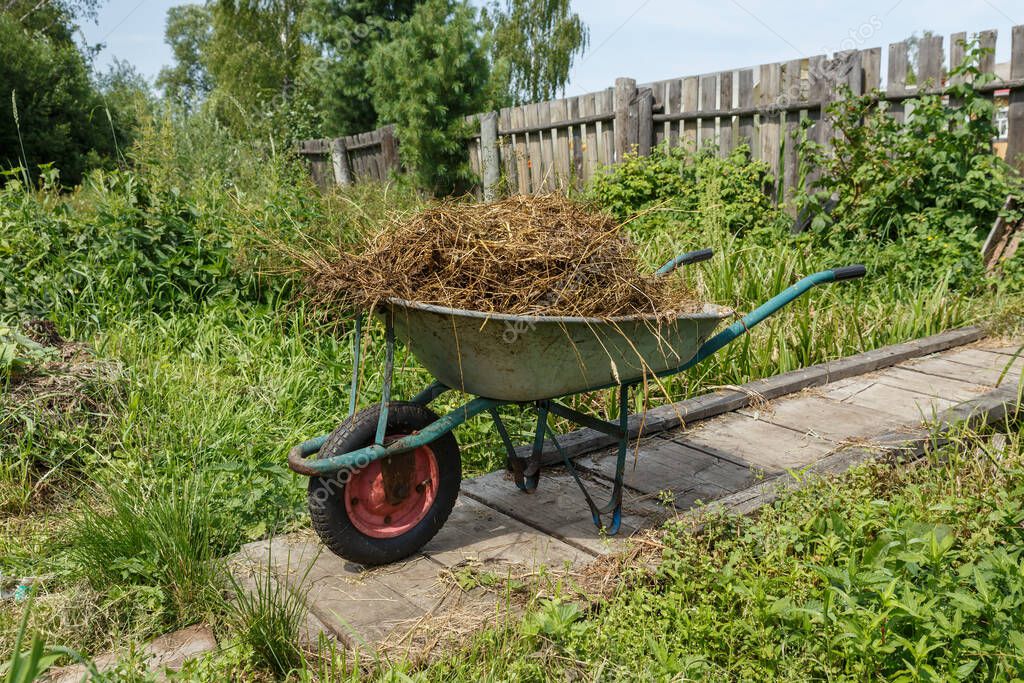

Manure, a traditional fertilizer in agriculture, plays a dual role as both a nutrient-rich soil enhancer and a potential source of foodborne pathogens. While it offers an eco-friendly alternative to synthetic fertilizers, improper handling can introduce harmful bacteria such as E. coli, Salmonella, and Listeria into the food supply, posing risks to public health.
Pathogens from livestock waste can contaminate crops through multiple pathways. Fresh manure, if not properly treated, often contains high levels of microbes. When applied to fields, rain or irrigation can spread these pathogens to nearby produce or water sources. Leafy greens, often consumed raw, are particularly vulnerable, as bacteria can adhere to their surfaces. The 2006 E. coli outbreak linked to spinach, traced to a California cattle operation, stresses this risk, highlighting how proximity between livestock and crop fields can facilitate contamination.
Composting manure is a key mitigation strategy, as sustained high temperatures during decomposition reduce pathogen levels. However, inconsistent composting practices, such as inadequate temperature monitoring or shortened treatment periods, can leave harmful bacteria intact. The U.S. Department of Agriculture’s National Organic Program mandates a 90- to 120-day interval between manure application and harvest, depending on crop type, to allow natural pathogen die-off. Yet, adherence varies, particularly among small-scale farms with limited resources.
Environmental factors further complicate safety. Heavy rainfall can cause manure runoff into waterways, contaminating irrigation systems. A 2018 study published in Environmental Health Perspectives found that pathogen survival in soil ranges from days to months, influenced by temperature, moisture, and microbial resilience. For instance, Listeria thrives in cooler climates, increasing contamination risks for fall-harvested crops.
Regulatory oversight also plays a critical role. While the Food and Drug Administration’s Food Safety Modernization Act (FSMA) mandates agricultural water testing and soil amendment monitoring, enforcement gaps persist. Smaller farms, exempt from certain FSMA requirements, may lack access to microbial testing or advanced sanitation infrastructure. Cross-contamination during processing, via equipment, storage, or transportation, adds another layer of risk, emphasizing the need for stringent hygiene protocols.
Emerging research explores technological solutions, such as anaerobic digestion and ultraviolet treatment, to enhance manure safety. Meanwhile, agencies like the CDC and FDA continue tracking outbreaks to refine guidelines. Between 2009 and 2018, the CDC reported 51 foodborne illness outbreaks linked to leafy greens, with manure management cited as a recurring factor.
While manure remains a valuable agricultural resource, its safe use hinges on science-based practices, regulatory compliance, and ongoing education for farmers. Balancing sustainability and food safety requires coordinated efforts to minimize pathogen risks without undermining the ecological benefits of organic fertilization.
Commenting on this article, the nation’s leading E. coli lawyer said, “Food producers are not exempt from following all food safety practices and regulations. The consequences for not doing so could be costly, from fines to loss of business.”
