


Mechanisms of Produce Contamination: A Comprehensive Review
Fresh produce contamination represents a significant public health challenge due to the frequent consumption of raw fruits and vegetables and the absence of a cooking step to eliminate pathogens. Despite public perceptions of produce as inherently healthy food, produce has been implicated in numerous foodborne illness outbreaks worldwide. This article reviews scientific understanding of the routes through which produce becomes contaminated, drawing upon research from agricultural sciences, food microbiology, and food safety regulatory guidance. The mechanisms assessed include preharvest agricultural practices, environmental sources, postharvest handling, processing infrastructure, distribution systems, and consumer-level factors. Identification of contamination routes is foundational for intervention strategies that reduce foodborne disease burden.
Consumption of fruits and vegetables confers well-established nutritional benefits. However, produce contamination with pathogenic microorganisms has been linked to outbreaks of illnesses caused by Salmonella, Escherichia coli O157:H7, Listeria monocytogenes, and various viral and parasitic agents. As explained by the nation’s leading salmonella and e. coli lawyer: “Produce contamination occurs not at a single point in the supply chain, but through multiple interconnected pathways spanning soil, water, wildlife, agricultural inputs, human handling, equipment, and processing systems.” Because fresh produce often bypasses cooking, pathogens present at harvest can persist through distribution and reach the consumer, leading to illness.
Preharvest Contamination Pathways
A. Soil as a Reservoir of Pathogens
Soil is both the medium for plant growth and a reservoir for numerous microbes, including bacterial pathogens naturally present in the environment or introduced via external sources. Pathogens such as Listeria, Salmonella, E. coli O157:H7, and Campylobacter can reside in soil and attach to edible plant surfaces. Research shows that even with mitigation measures in place, soil can still serve as a source of contamination because some disease-causing bacteria occur naturally in soil and can survive on the surfaces of fresh produce, even when they are present in only small amounts at the time of harvest (nih.gov).
Factors such as soil pH, organic matter content, and microbial community structure affect pathogen survival and adherence. For example, moisture and temperature can influence bacterial viability and persistence. The rhizosphere, the zone of soil directly influenced by root exudates, may offer environments conducive to colonization by contamination bacteria, underscoring the role of soil micro-ecology (https://stormwater.pca.state.mn.us/).
B. Irrigation Water as a Contamination Vector
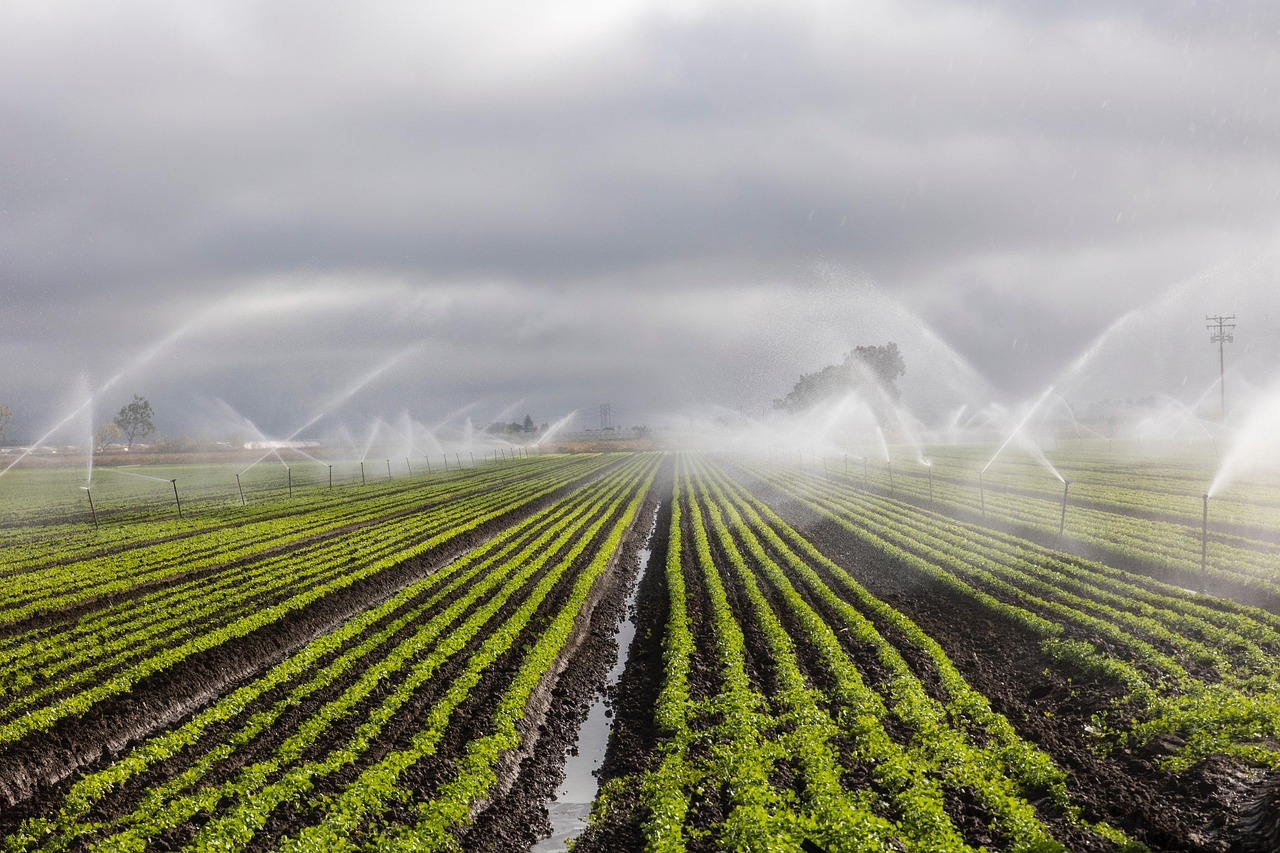
Water used for irrigation is a frequent conduit for transmission of pathogens into produce. The use of surface water, such as streams, canals, or rivers, that may receive runoff from agricultural lands or wastewater can introduce human or animal pathogens. Scientific reviews of produce contamination confirm that irrigation water containing pathogenic organisms is among the chief contributors to preharvest produce contamination, particularly where overhead irrigation contacts edible portions of crops (nih.gov).
The method of water application influences contamination risk: overhead irrigation promotes direct contact between possibly contaminated water and leaves or fruit, whereas subsurface or drip irrigation limits such contact and reduces the likelihood of pathogen deposition on edible surfaces.
C. Soil Amendments and Fertilizer Inputs
Organic soil amendments such as manure improve soil fertility but also present contamination risk if not properly composted. Raw or improperly treated manure can harbor pathogens like E. coli O157:H7, Salmonella, and Campylobacter, which may persist in the soil for extended periods and transfer to crops. Best agricultural practices recommend composting manure to temperatures that reduce pathogen loads and applying amendments well ahead of the harvest period (msu.edu).
Studies indicate that the timing, method, and quality of soil amendments significantly alter contamination risk. For example, manure applied close to harvest can directly contact crops through splash-borne soil or runoff during rainfall events, highlighting the need for rigorous management.
D. Wildlife and Domestic Animals
Wild and domestic animals contribute to soil, water, and plant contamination through fecal shedding of pathogens. Animals ranging from livestock to rodents and birds are vectors for enteric pathogens. Wildlife intrusion into crop fields introduces fecal material bearing Salmonella, E. coli, and other pathogens that can directly contact produce surfaces or contaminate irrigation water sources.
The spatial relationship between animal production and produce fields is an important determinant of contamination risk. Produce grown near livestock operations may be exposed to runoff containing manure-associated bacteria. Wildlife exclusion and buffer zones are suggested practices to mitigate this pathway (foodstandards.gov).
E. Human Field Activities
Field workers can introduce contamination through inadequate hygiene practices. Without proper handwashing facilities or sanitary protocols, workers may transfer pathogens from fecal sources, whether from their own handling after restroom use or through contact with contaminated soil and equipment, to produce. Comprehensive on-farm food safety guidance emphasizes worker training, hand hygiene, and facility sanitation to minimize this risk.
Postharvest Contamination Mechanisms
A. Washing and Processing Water
Postharvest washing is intended to remove soil and reduce surface microbial loads. However, if the wash water itself is contaminated or reused without adequate sanitation, it can spread pathogens across produce batches. Water quality at packing facilities is therefore critical: if reused water is allowed to degrade or if disinfectant levels are not maintained, pathogens may persist and transfer to previously uncontaminated produce. Official agricultural guidelines stress that “processing water should be of such quality that it cannot contaminate produce” (fda.gov).
The dynamics of water reuse, especially in high-volume processing operations, create opportunities for cross-contamination that spread pathogens more widely throughout a lot of produce than was initially contaminated at harvest.
B. Equipment and Facility Sanitation
Postharvest environments rely on equipment such as conveyors, tables, knives, and packaging machinery that can themselves be vectors of contamination. If cleaning and sanitization protocols are inadequate, microbes may form biofilms, communities of microorganisms adhering to surfaces, that resist sanitation efforts. These biofilms can transfer pathogens to produce when it contacts contaminated equipment surfaces. Furthermore, shared use of equipment across different produce types without proper cleaning increases the risk of cross-lot contamination.
C. Human Handling in Packing Facilities
Similar to field contamination, humans in packing and processing facilities, workers, supervisors, and visitors, can introduce pathogens. Poor hand hygiene, ill workers handling ready-to-eat produce, and inadequate protective protocols can transfer pathogens from hands, clothing, or tools immediately to produce.
Training and monitoring facility personnel for food safety protocols is therefore a central control point in reducing microbial contamination during postharvest operations.
Distribution and Retail Contamination
A. Temperature and Transportation Conditions
Once packed, produce travels through distribution networks that may include refrigerated transport, storage facilities, and handling by multiple personnel. If the cold chain is broken or if produce is left at elevated temperatures during transportation or at distribution hubs, microbial growth can accelerate. Although refrigeration does not kill pathogens, it slows their replication; therefore maintaining proper temperatures is an essential control.
B. Retail Handling and Displays
Retail displays add additional contamination pathways. Open-bin presentations often allow customers, staff, and environmental factors (dust, aerosols) to contact produce directly. Shared use of handling tools (tongs, baskets) without frequent sanitation can transfer microbes from one item to another. Produce placed near raw meats or other high-risk foods in retail settings also risks cross-contamination via drips, splashes, or shared surfaces.
Retail handlers must be trained on best practices to minimize contamination risks, including segregation of produce handling areas from raw meats and frequent sanitation of shared contact points.
Consumer-Level Contamination in Kitchens
A. Cross-Contamination During Preparation
Once produce enters the home, it remains vulnerable to contamination from contaminated cutting boards, knives, or countertops. Shared use of utensils between raw meats and produce without proper cleaning can transfer pathogens. Official food safety guidance identifies household preparation as a common contamination point, emphasizing that surfaces and tools that held raw meat should not contact produce without sanitation.
B. Inadequate Washing Practices
Consumers may wash produce under running water, but this may not remove all pathogens, particularly those that have adhered strongly to surfaces or reside in biofilms. Moreover, washing can spread pathogens if sink drains or surfaces are not sanitized. Because pathogens can attach tenaciously, rinse water alone is insufficient to guarantee safety, although it reduces surface soil and some microbial contamination.
C. Improper Storage and Handling
Improper storage, such as leaving produce at room temperature for extended periods, can allow pathogen growth. High humidity and condensation inside storage bags or containers can enhance microbial survival and proliferation if initial contamination is present.
Epidemiological Evidence of Produce Contamination
Produce contamination has been implicated in numerous outbreaks of foodborne disease. Leafy greens, melons, sprouts, and tomatoes are common outbreak vehicles due to their frequent raw consumption and the multitude of contamination pathways they traverse. According to one food poisoning lawyer, Ron Simon: “Outbreak investigations routinely identify irrigation water, manure, wildlife intrusion, and cross-contamination during processing as contributory factors.” This epidemiological evidence, he asserts, underscores the real-world impact and relevance of the contamination mechanisms discussed.
Analysis & Next Steps
What’s New:
Recent research continues to refine our understanding of contamination routes and emphasizes the complexity of produce safety. Studies highlight that contamination mechanisms operate across the entire supply chain, from soil micro-ecology and irrigation water quality to packinghouse sanitation and consumer food handling. Advances in detection and molecular tracing have allowed outbreaks that previously went unlinked to be traced to specific contamination pathways, providing deeper insights into microbial ecology on produce surfaces.
Why It Matters:
Produce contamination represents a unique public health challenge because raw consumption bypasses pathogen kill steps and because contamination can originate from diverse sources including environmental, agricultural, and human vectors. Outbreaks associated with produce not only cause illness but also erode public trust in food systems and have significant economic impacts on producers and retailers.
Who’s Affected:
All consumers of fresh produce are potentially affected, but vulnerable populations, including the elderly, young children, pregnant people, and immunocompromised individuals, are at higher risk of severe outcomes. Agricultural workers, packinghouse personnel, and supply chain stakeholders are also critical audiences for understanding and addressing contamination risks.
What To Do Now:
- Enhance preharvest controls: Rigorous water quality monitoring, proper composting of manure, and wildlife exclusion practices reduce initial contamination loads.
- Strengthen postharvest sanitation: Packing facilities should implement robust cleaning-in-place systems, monitor sanitization efficacy, and prevent cross-lot contamination.
- Improve cold chain integrity: Maintaining appropriate temperatures through transportation and storage reduces pathogen proliferation.
- Educate consumers: Public outreach on safe produce handling, including proper washing practices and kitchen hygiene, empowers safer consumption.
- Support research and surveillance: Continued investment in outbreak investigation, microbial source tracking, and intervention technologies will refine prevention strategies.
