

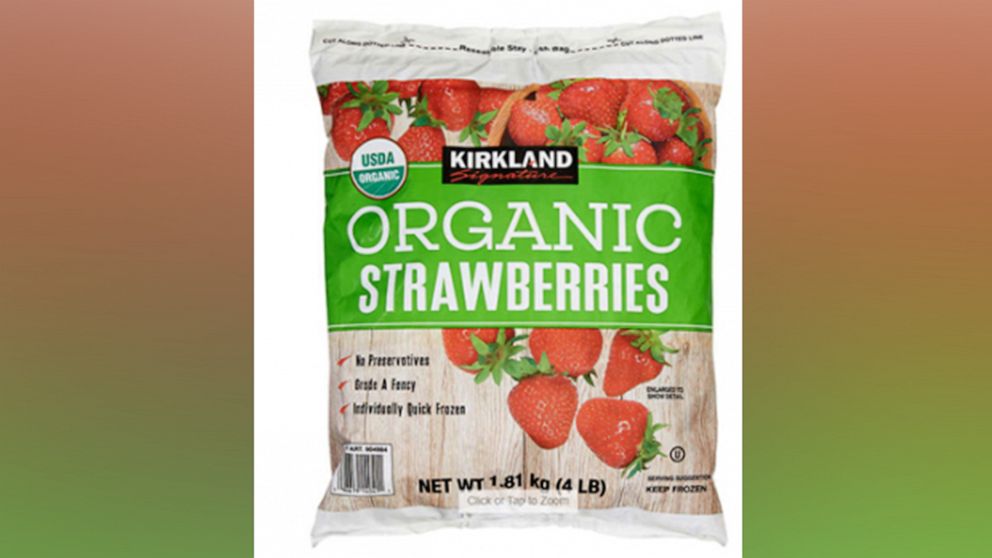

The CDC has reported an outbreak of hepatitis A in the state of Washington. This particular outbreak has been traced back to Kirkland’s Signature Frozen Organic Whole Strawberries, the latest in a string of hepatitis A outbreaks linked to frozen berries. The company issued a recall on frozen strawberries nationwide – Kirkland’s Signature is exclusive to Costco. As such, Costco shoppers should be wary of what strawberries they are buying, or have bought, and check their refrigerators.
According to abcnews, the evidence has not been sufficient to target a single lot or specific type of strawberries, and as such, “out of an abundance of caution” Costco has issued a recall on all of them.
According to the FDA, this strain of Hepatitis A is genetically identical to a hepatitis A strain found on organic strawberries in 2022. They were both found to be sourced from the same farm in Baja California, Mexico.
While it remains unclear how many patrons have become sick, five people have been confirmed as having acquired acute hepatitis after eating strawberries from Kirkland’s. Two of these people have been hospitalized.
Hepatitis is a very contagious virus, so even though most younger US citizens have been vaccinated, it is expected that there are many cases that have gone unreported. Manufacturers, consumers, and restaurants are strongly urged to get vaccinated against Hepatitis A, and customers are being told to throw away these bags of strawberries or return them for a full refund.
Cnn.com says that hepatitis can survive through freezing. It can also stay on hands and surfaces days after being contaminated. It can be transmitted through food and liquids. If anyone has recently consumed these strawberries and have not been vaccinated against hepatitis A, they should talk to a doctor.
According to cdc.gov, hepatitis A virus, also known as HAV, is a liver infection that can be prevented with a vaccine. It is very contagious. Symptoms can include nausea, stomach pain, fatigue, fever, bloody stool, and jaundice. Hepatitis is mainly found in the blood and stool of someone infected. Thee symptoms can for months after ingestion of the virus. HAV can be spread through close contact with anyone who has the virus, by eating food that contains the virus, and by drinking liquids that contain the virus. Ingesting HAV can be prevented by getting vaccinated against the virus. Dif exposed, a vaccine within two weeks is often effective.
As national food poisoning attorney, Ron Simon, says, regarding the hepatitis outbreak, “even though many people are vaccinated against this virus, many newborns and elders are still very susceptible to this infection. We strongly recommend that you get vaccinated and pay special attention to these sorts of recalls. Knowing when to return or discard foods can help keep our family safe!” Attorney Simon recommended interested persons visit foodpoisoningnews.com regularly.
