

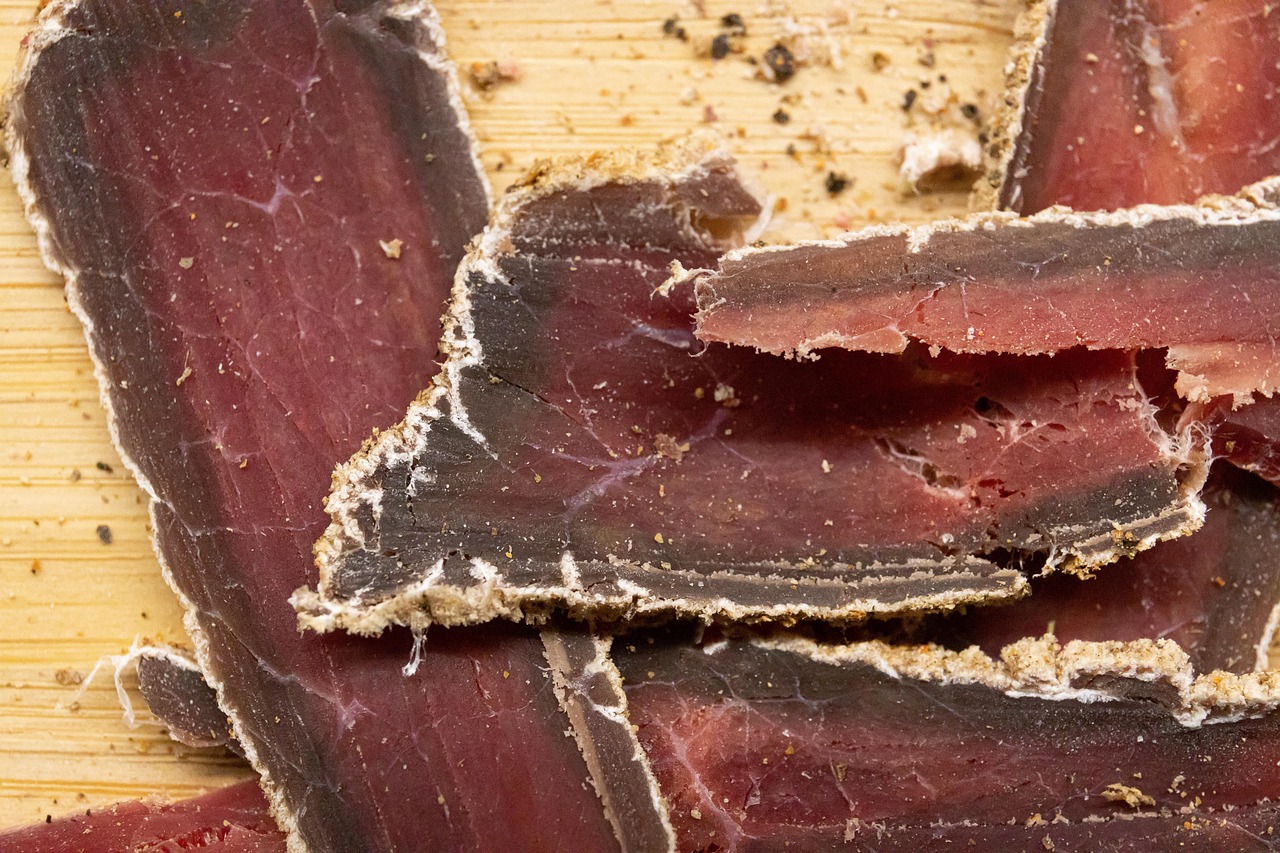

A massive nationwide recall has been announced after more than 2 million pounds of ready-to-eat pork jerky were found to be contaminated with small pieces of metal wire. The product, sold under the Golden Island brand name, was distributed through Costco and Sam’s Club stores across the United States, raising widespread concern about manufacturing oversight and food safety.
According to the U.S. Department of Agriculture’s Food Safety and Inspection Service (FSIS), the recall was initiated by LSI, Inc., a food producer based in Alpena, South Dakota. Investigators discovered that fragments of wiry metal likely originated from a conveyor-belt malfunction in the production facility, allowing slivers of metal to mix with the meat during processing. Although no confirmed injuries have yet been reported, the FSIS classified this recall as a “Class I high-risk event”, meaning the product presents a reasonable probability of causing serious injury if consumed.
What Products Are Affected
The recall involves:
- Golden Island Fire-Grilled Pork Jerky – Korean Barbecue Recipe
- Sold in 14.5-oz and 16-oz plastic pouches
- Bearing establishment number “M279A” inside the USDA inspection mark
- With “Best By” dates ranging from October 23, 2025 to September 23, 2026
These jerky bags were distributed to Costco and Sam’s Club stores in nearly every U.S. state. The company estimates that 2.2 million pounds of product may have reached consumers before the defect was detected.
How the Contamination Occurred
The issue was discovered after multiple consumers reported finding thin, metallic wires in the jerky. Preliminary investigation suggests that a damaged conveyor belt shed metal fibers into the meat mixture during the drying process. LSI, Inc. halted production and immediately notified FSIS, which then verified the contamination and issued the recall.
While mechanical contamination is less common than bacterial contamination, it poses serious risks — especially because the fragments may be small enough to escape detection by sight or touch.
Health Risks of Metal Fragments
Ingesting sharp or wiry pieces of metal can lead to:
- Oral and dental injuries such as chipped teeth or lacerations inside the mouth
- Internal injuries, including cuts to the throat, stomach, or intestines
- Choking hazards, particularly for children and older adults
Even a small wire can cause internal bleeding or perforation if swallowed. Doctors urge consumers who have eaten the affected jerky to monitor for abdominal pain, nausea, vomiting, or difficulty swallowing — and to seek medical attention immediately if any symptoms appear.
What Consumers Should Do
If you purchased Golden Island Fire-Grilled Pork Jerky (Korean Barbecue Recipe) from Costco or Sam’s Club, take the following steps:
- Check the package for the establishment number M279A and the listed best-by dates.
- Do not eat the product under any circumstances — even if it looks or smells normal.
- Return it to the store for a full refund, or safely dispose of it in a sealed bag.
- If symptoms develop, contact a healthcare professional and explain the potential for metal ingestion.
Consumers may also contact LSI, Inc. or the USDA Meat and Poultry Hotline (1-888-674-6854) for further recall information.
Legal and Safety Implications
Foreign-object contamination cases like this underscore the fragility of modern supply chains. When production runs reach millions of pounds and distribution extends nationwide, even a single mechanical failure can expose thousands of consumers to risk before the issue is caught.
Victims of foodborne illness or physical injury due to contaminated products often face high medical costs, missed work, and lasting trauma. Legal experts note that manufacturers and distributors bear strict liability when their negligence — such as improper maintenance, quality control failure, or delayed recall — directly harms consumers.
National food-safety law firms have handled numerous high-profile contamination cases, recovering millions in compensation for victims of both microbial and foreign-object hazards. The firm also advocates for stronger regulatory oversight and improved consumer protection standards to prevent such incidents in the future.
Why This Matters
This recall serves as a stark reminder that food safety is everyone’s responsibility — from manufacturers maintaining their equipment, to inspectors enforcing regulations, and consumers staying informed about recalls. While jerky is typically viewed as a shelf-stable, low-risk snack, this case illustrates that even processed products can harbor unexpected dangers.
By maintaining strict quality-control checks and ensuring open communication between producers, regulators, and consumers, similar crises can be avoided. Consumers are encouraged to stay updated on recall alerts and to prioritize safety over convenience when uncertainty arises.
