
Close Menu
  • Food Poisoning
    • Symptoms
    • Prevention
    • Treatment
    • Causes
  • Pathogens
    • Botulism
    • Campylobacter
    • E. coli
    • Cyclospora
    • Norovirus
    • Hepatitis A
    • Salmonella
    • Listeria
    • Shigella
  • Food Safety
    • How to wash your hands
    • Food Safty And The Holidays
  • Legal
    • Can I sue for Food Poisoning?
    • E. coli Lawyer
      • E. coli Lawsuit
    • Salmonella Lawyer
      • Salmonella Lawsuit
    • Botulism Lawyer
    • Cyclospora Lawyer
    • Shigella Lawyer
    • Hepatitis A Lawyer
  • Outbreaks and Recalls
  • Connect With A Lawyer
What's Hot

Neurolisteriosis: Why Listeria Monocytogenes Causes Meningitis and Encephalitis

January 19, 2026

Back-to-School Food Risks: How Lunch Packing, Cafeterias, and Shared Spaces Increase Food Poisoning

January 14, 2026

Campylobacter Infection: Where It Comes From and Why It’s One of the Most Common Foodborne Illnesses

January 14, 2026
Facebook X (Twitter) Instagram
Facebook X (Twitter) YouTube
  • About
  • Contact Us
Food Poisoning NewsFood Poisoning News
  • Home
  • Food Poisoning
    • What is Food Poisoning?
      • Symptoms
      • Causes
      • Prevention
      • Treatment
      • Statistics
    • Pathogens
      • Botulism
      • Campylobacter
      • E. coli
      • Hepatitis A
      • Shigella
      • Norovirus
      • Salmonella
      • Cyclospora
      • Listeria
  • Food Safety
    • How to wash your hands
    • Food Safty And The Holidays
  • Legal
    • Salmonella Lawyer
      • Salmonella Lawsuit
    • E. coli Lawyer
      • E. coli Lawsuit
    • Cyclospora Lawyer
    • Shigella Lawyer
    • Hepatitis A Lawyer
    • Botulism Lawyer
  • Outbreaks and Recalls
Food Poisoning NewsFood Poisoning News
Home»Helpful Articles»Navigating Botulism Risks in Home Fermentation: Kimchi and Kombucha Safety
Navigating Botulism Risks in Home Fermentation: Kimchi and Kombucha Safety
Helpful Articles

Navigating Botulism Risks in Home Fermentation: Kimchi and Kombucha Safety

Kit RedwineBy Kit RedwineJuly 7, 2025No Comments3 Mins Read
Share
Facebook Twitter LinkedIn Pinterest Email Reddit

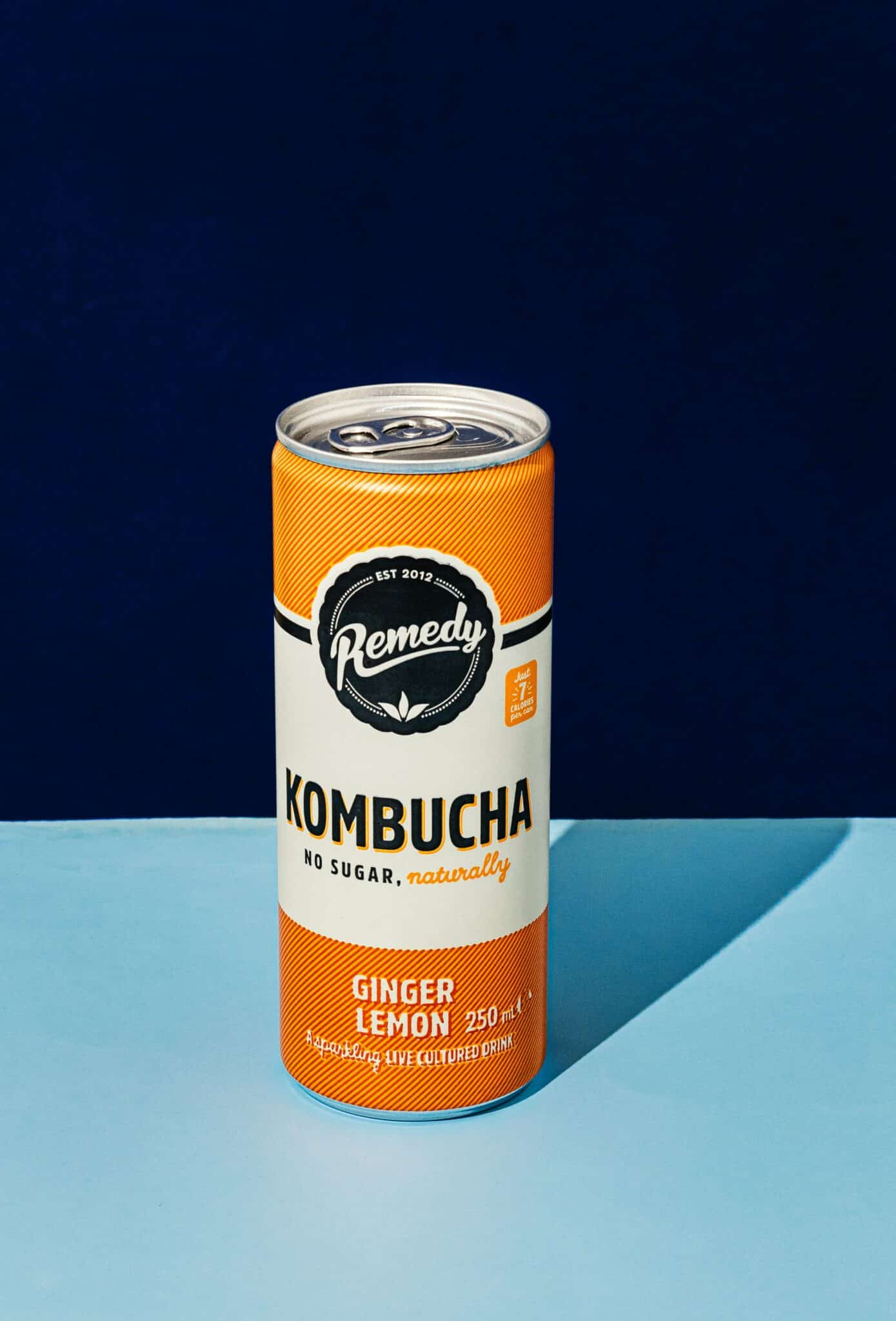
While botulism, a potentially fatal neurotoxin produced by Clostridium botulinum bacteria, is exceptionally rare in fermented foods, understanding its association with improper DIY fermentation practices is critical for home producers. Botulism spores thrive in low-oxygen, low-acid environments, but correctly prepared kimchi and kombucha create conditions that inhibit their growth.   

Why Fermentation Typically Prevents Botulism  

Lactic acid bacteria (LAB) dominate vegetable fermentation (e.g., kimchi), rapidly acidifying the environment. Within days, pH levels drop below 4.6, a threshold that prevents C. botulinum toxin production.  Similarly, kombucha’s symbiotic culture of bacteria and yeast (SCOBY) generates acetic acid, maintaining a pH typically between 2.5 – 3.5, which is hostile to botulism.  Salt further suppresses pathogens in kimchi brine, while kombucha’s tea and sugar substrates encourage probiotic dominance.   

Documented Risks and Failure Scenarios  

Most botulism cases linked to fermented foods involve critical deviations from standard methods:  

  • Fermentation without salt: In Thailand, improperly prepared bamboo shoots (omitting salt) led to botulism outbreaks. Salt regulates microbial competition and supports LAB growth.   
  • Inadequate acidification: Kombucha brewed with insufficient starter tea or shortened fermentation may fail to reach safe pH levels, enabling pathogen survival.   
  • Contaminated ingredients: C. botulinum spores on garlic or herbs can persist if acidification is delayed. In Alaska, fermented seafood caused botulism due to non-traditional containers (e.g., glass jars) preventing air circulation.   
  • Storage errors: Ferments stored warm (e.g., >37°F/3°C) before full acidification may allow toxin development.   

Table: Key Safety Benchmarks for Home Fermentation  

ParameterKimchiKombuchaBotulism Risk Threshold
pH Target<4.6 within 5 to 7 days2.5 to 3.5pH >4.6 enables toxin
Salt Concentration1.5 to 2.5% brineNot applicable<1% may weaken LAB
Critical ControlSubmerged vegetablesVigorous SCOBY activityOxygen exposure limits spores
High-Risk SignsMold, foul odor, slimeWeak SCOBY, off-flavorsCloudiness, gas in canned goods

Evidence-Based Safety Practices  

Health agencies emphasize:  

  • Salt purity: Use non-iodized salt (e.g., sea salt) at 1.5–2.5% weight/volume for kimchi to ensure LAB dominance.   
  • pH verification: Test kombucha with strips; discard batches above pH 4.6.   
  • Botulism destruction: Boiling ferments for 10 minutes before consumption deactivates toxins if safety is uncertain.   
  • Hygiene: Clean equipment and fresh produce reduce initial pathogen load.  

Leading nationwide botulism law firm Ron Simon & Associates, says that botulism has the potential to be extremely dangerous and extreme caution should be taken when fermenting at home. While no confirmed botulism cases exist for properly fermented kimchi or kombucha, adherence to tested methods mitigates risks.  Regulatory standards, like the FDA’s pH ≤4.6 rule for fermented vegetables, reinforce these protocols. 

Share. Facebook Twitter Pinterest LinkedIn Tumblr Email
Avatar photo
Kit Redwine

Related Posts

How Long Do Foodborne Bacteria Survive on Kitchen Surfaces—and Why Cleaning Isn’t Always Enough

January 14, 2026

Norovirus: What You Need to Know About the Highly Contagious “Stomach Bug”

January 8, 2026

A Rising Tide of Risk: Navigating the Hidden Dangers in Raw Seafood

December 30, 2025

The Hidden Journey Bacteria Through Modern Food Processing

December 28, 2025
Add A Comment
Leave A Reply Cancel Reply

Attorney Advertisement
Ron Simon

Subscribe to Updates

Get the latest food safety recall, outbreak, & investigation news.

Latest Posts

Neurolisteriosis: Why Listeria Monocytogenes Causes Meningitis and Encephalitis

January 19, 2026

Back-to-School Food Risks: How Lunch Packing, Cafeterias, and Shared Spaces Increase Food Poisoning

January 14, 2026

What Foods Are Most Likely to Carry Salmonella—and Why Contamination Happens So Easily

January 14, 2026

Food Poisoning News is a website devoted to providing you with the most current information on food safety, dangerous pathogens, food poisoning outbreaks and outbreak prevention, and food poisoning litigation.

We're social. Connect with us:

Facebook X (Twitter) YouTube
Latest Posts

Neurolisteriosis: Why Listeria Monocytogenes Causes Meningitis and Encephalitis

January 19, 2026

Back-to-School Food Risks: How Lunch Packing, Cafeterias, and Shared Spaces Increase Food Poisoning

January 14, 2026

What Foods Are Most Likely to Carry Salmonella—and Why Contamination Happens So Easily

January 14, 2026
Get Informed

Subscribe to Updates

Get the latest food safety recall, outbreak, & investigation news.

Facebook X (Twitter) YouTube
  • Home
© 2026 Food Poisoning News. Sponsored by Ron Simon & Associates a Houston, TX law firm. Powered by ArmaVita.
Our website and content are for informational purposes only. Food Poisoning News does not provide legal advice, medical advice, diagnosis, or treatment.

Type above and press Enter to search. Press Esc to cancel.