

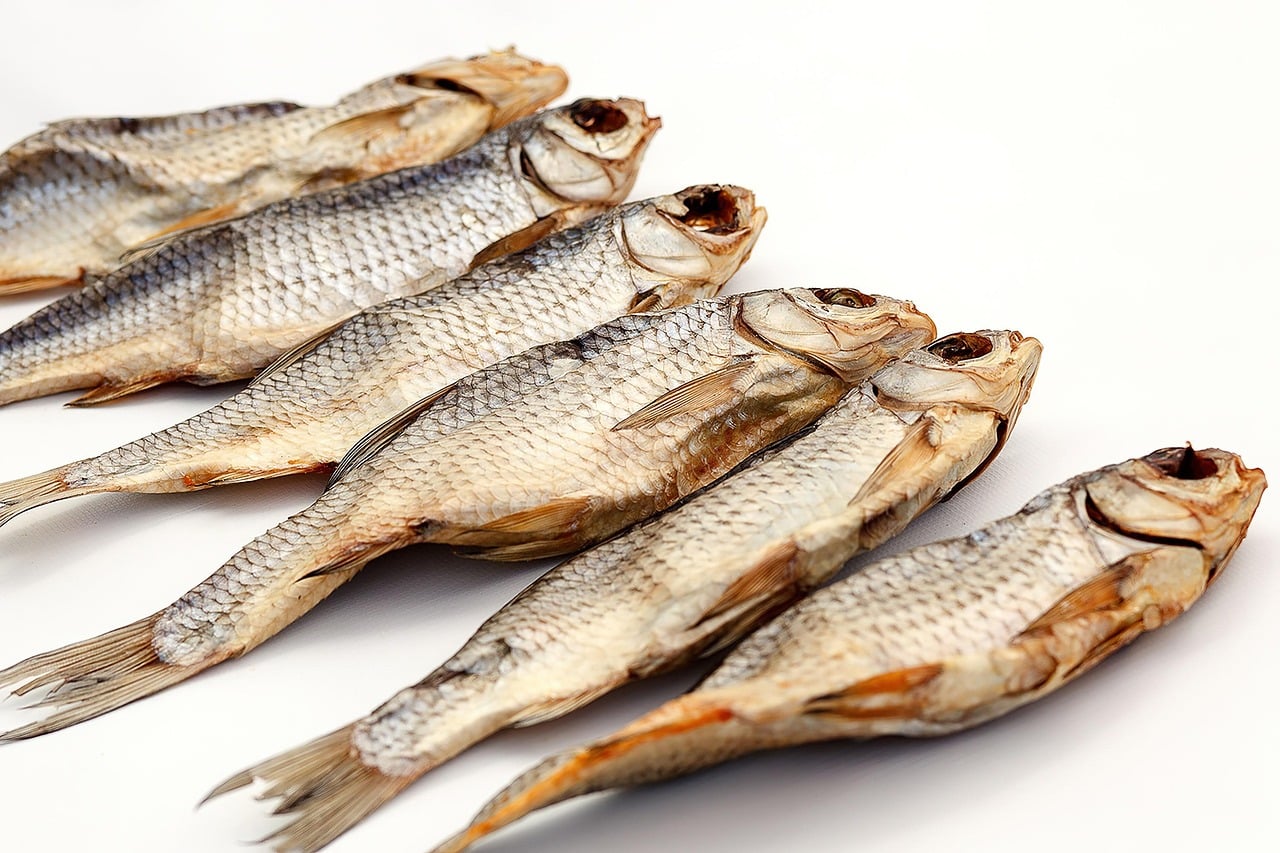

New Hoque & Sons Inc Issues Alert on Uneviscerated Dry Ghoinnya Fish: The Hidden Botulism Risk in Ungutted Dry Fish
On October 30, 2025, New Hoque & Sons Inc. of Maspeth, New York, issued an alert about a single lot of its product marketed as Dry Ghoinnya Fish (FDA.gov) after state testing showed the item had been sold uneviscerated. Federal and state food-safety authorities warn that uneviscerated, salt-cured, or dried fish have a well-documented association with foodborne botulism and can pose a life-threatening hazard to consumers. New Hoque & Sons’ alert asks retailers and consumers to check for a clear plastic package stamped with expiration date 5/19/25 and UPC 908172635412, and to stop distribution and consumption until the product is returned or destroyed.
Product Alert and Distribution Footprint
According to the FDA alert and corroborating industry reporting, the Dry Ghoinnya Fish product was packaged in 10–12 pound clear plastic units marked with the expiration date May 19, 2025, and bearing UPC 908172635412. The lot was identified during routine testing by the New York State Department of Agriculture and Markets, which determined the fish had not been eviscerated before sale. The firm moved quickly to issue an alert and instruct retailers to remove affected inventory from shelves and notify customers. News outlets report the product had been distributed nationally to retailers and ethnic markets. No illnesses have been reported to date in connection with this lot.
The speed of the alert reflects both the known risk profile and regulatory prohibitions: several states, including New York, prohibit the sale of uneviscerated fish that are salt-cured, dried, or smoked because Clostridium botulinum spores concentrate in viscera and can produce toxin during anaerobic, low-acid, salty conditions. The FDA’s compliance policy guide explicitly states uneviscerated fish processed in these ways “represent a potentially life-threatening health hazard” and are considered adulterated under the Food, Drug, and Cosmetic Act.
Why Uneviscerated Fish Are a Botulism Risk
According to the FDA Compliance Policy Guide (CPG): “FDA considers uneviscerated fish that are salt-cured, dried, or smoked to represent a potentially life-threatening health hazard.” The CPG sets the policy basis for enforcement and explains why such products are generally considered adulterated under the law .Botulism is caused by botulinum neurotoxin produced by Clostridium botulinum and related species. These organisms form heat-resistant spores that are widespread in soil and marine sediments and can be present in the intestines and viscera of fish. When fish are salt-cured, dried, smoked, or fermented without proper evisceration, the viscera create microenvironments that can be low in oxygen, moist, and nutrient-rich, ideal conditions for spores to germinate and for vegetative cells to produce toxin. Salt and drying slow some microbial growth but do not guarantee safety: depending on salt concentration, water activity, and pH, C. botulinum can produce toxin even in traditionally preserved fish products.
Historical investigations have repeatedly implicated uneviscerated, salt-cured fish products in type E botulism outbreaks. In New Jersey in 1992, an outbreak was traced to consumption of an uneviscerated, salt-cured fish product (CDC.gov), illustrating the classic pathway from viscera contamination to toxin formation in the finished product. The CDC’s MMWR review of that case highlights how even traditional curing methods can fail to prevent toxin formation if viscera remain.
Complicating matters is that botulinum toxin is tasteless, odorless and not detectable by visual inspection; tiny amounts can produce severe neurologic illness, and outbreaks can progress rapidly to respiratory paralysis if not treated promptly. Because of those properties, public-health agencies treat uneviscerated, salt-cured fish as a special hazard requiring immediate removal from commerce when discovered.
More recently, targeted recalls and alerts, like the New Hoque & Sons notice, occur because routine surveillance or routine enforcement testing detects egregious deviations from accepted practices (i.e., selling uneviscerated fish for salt curing/drying). Those detections are preventive: catching an unsafe product before illnesses occur is the best possible outcome for public health.
Regulatory Context and the FDA’s Position
Regulators have long recognized the hazard. The FDA’s Compliance Policy Guide (CPG Sec. 540.650) designates uneviscerated fish that are salt-cured, dried, or smoked as potentially life-threatening and outlines that such products are considered adulterated unless they fall within narrow exceptions (e.g., very small fish species that are consumed whole). The rationale is explicit: viscera concentrate spores more than other fish tissues, and processing methods that create anaerobic, shelf-stable conditions facilitate toxin production. When such products are found in commerce, the FDA and state partners generally require removal from sale and corrective actions by the firm.
State agencies also enforce local statutes. New York State agriculture law specifically prohibits the sale of uneviscerated fish subject to these processing methods, and the Department of Agriculture and Markets acts to remove offending stock and to warn processors and retailers. In the New Hoque & Sons case, the New York State Department of Agriculture identified the violation during routine inspection/testing and prompted the firm’s alert. The coordination between state action and FDA policy demonstrates the layered protections in the U.S. food-safety system.
Clinical Signs of Botulism and Why Rapid Response Matters
Foodborne botulism presents with a characteristic descending flaccid paralysis (WHO.int). Early symptoms typically include nausea, vomiting and abdominal discomfort followed by neurological signs: blurred or double vision, drooping eyelids, slurred speech, difficulty swallowing, dry mouth, and progressive muscular weakness that may culminate in respiratory failure. Because the toxin affects neuromuscular junctions, mechanical ventilation may be necessary for survival in severe cases. Unlike many bacterial infections, antitoxin is the primary medical therapy to neutralize circulating toxin; it cannot reverse established nerve damage but can prevent progression if administered early. Public-health alerts emphasize immediate medical evaluation for persons who develop compatible neurologic symptoms within days of consuming suspect fish.
The high case fatality in historical outbreaks before modern supportive care and antitoxin access explains the regulatory caution: preventing exposure is easier and safer than treating established botulism.
How Uneviscerated Fish End Up in the Supply Chain
Uneviscerated fish can reach retail for several reasons: small-scale processors may be unaware of regulatory prohibitions; language or cultural practice variations may lead some vendors to follow traditional methods that involve gutting after salt-curing; supply chain errors may result in mislabeling or improper handling; or intentional omission occurs to reduce processing costs. Regardless of motive, commercial sale of uneviscerated, salt-cured or dried fish creates public-health risk.
Inspection regimes and buyer vigilance are therefore critical. Retailers and importers should ensure suppliers provide documentation that fish destined for salt-curing or drying have been properly eviscerated and that processors maintain validated pathogen controls. Retail staff should refuse shipments lacking appropriate certification and should be alert for packaging that suggests whole, uneviscerated fish intended for non-consumptive processing.
Consumer Guidance: What To Do If You Purchased Dry Ghoinnya Fish
If you purchased a clear plastic package of Dry Ghoinnya Fish with UPC 908172635412 and an expiration date of 5/19/25, stop consumption immediately. Do not attempt to cook or taste the fish to check for safety; botulinum toxin is heat-labile only at the very high temperatures and pressure used in canning, and standard home cooking may not neutralize preformed toxin. Return the product to the place of purchase for a refund or contact the firm as directed in the FDA alert. Clean and sanitize surfaces that may have contacted the package, and wash hands thoroughly.
If you or anyone in your household has recently consumed the fish and develops blurred or double vision, difficulty speaking or swallowing, drooping eyelids, muscle weakness, or breathing difficulty, seek emergency medical care immediately and notify clinicians about potential exposure to suspect fish so antitoxin and public-health protocols can be initiated. Prompt reporting to local health departments aids rapid response and potential distribution of antitoxin.
Retailer and Distributor Responsibilities
Retailers must immediately remove any affected lot from shelves, segregate and document inventory, and cooperate with public-health authorities. Because uneviscerated fish may be present under different brand names or packaging configurations, retailers should review recent invoices and supplier documentation to identify any additional suspect lots. Stores should post notices for customers who purchased the product, communicate with staff about safe handling and return protocols, and coordinate with state inspectional authorities on disposition and potential sampling. Retailers that inadvertently sold the product should maintain records to help epidemiologists trace distribution and to quickly communicate with purchasers.
Distributors and importers should verify that suppliers eviscerate fish destined for salt-curing or drying and require documented validation of safe processes. Contracts and supplier audits should explicitly address evisceration practices and traceability.
Prevention: What Processors Must Do To Minimize Botulism Risk
Processors must follow validated, science-based controls. The key measures include:
- Mandatory evisceration of species that pose a hazard when salt-cured, dried or smoked.
- Environmental monitoring for C. botulinum niches in processing areas and verification of sanitation procedures that remove biofilms and residue.
- Water activity, salt concentration and pH monitoring to ensure final products fall within validated safety envelopes; documenting these parameters for each lot.
- Traceability and lot coding that allow rapid identification and removal of suspect lots.
- Worker training and standard operating procedures that prevent cross-contamination and ensure consistent evisceration and handling practices.
For small producers who use traditional methods, regulatory agencies often provide guidance to adapt practices for safety while preserving cultural foodways, such as advising on adequate salting, drying protocols, or alternative processing that reduces botulism risk.
Public Health Surveillance and Treatment Considerations
Because foodborne botulism is rare but severe, surveillance and clinical awareness are essential. Clinicians should ask about fish consumption when encountering patients with neurologic symptoms, especially in communities where salted, dried, or fermented fish are common. Local health departments coordinate antitoxin supply and advise hospitals on case management. The CDC maintains protocols for antitoxin release and laboratory confirmation; swift notification can save lives by ensuring antitoxin arrives in time to limit progression. Public-health laboratories aim to detect botulinum toxin in serum, stool or implicated food samples and to culture C. botulinum under specialized conditions.
Importantly, antitoxin neutralizes circulating toxin but cannot reverse established paralysis, timely clinical recognition is therefore lifesaving.
Cultural Practices, Education, and Working With Communities
Some traditional preservation methods used worldwide produce valued foods but carry botulism risk when viscera are left in place or when processing conditions vary. Public-health agencies try not to stigmatize cultural foods; rather, they seek to engage communities with respectful, evidence-based guidance that preserves heritage while reducing hazard. Outreach may include providing translated fact sheets, holding local training sessions for small processors, and working with community leaders to adjust traditional recipes or processing timelines to safer parameters.
Analysis & Next Steps
What’s New: New Hoque & Sons Inc. issued an alert after state testing identified uneviscerated Dry Ghoinnya Fish (UPC 908172635412, exp. 5/19/25) in commercial distribution. Authorities flagged the product because uneviscerated fish have historically been associated with type E foodborne botulism and are considered a potentially life-threatening hazard. No illnesses have been reported so far.
Why It Matters: Botulinum neurotoxin is among the most potent toxins known. When it contaminates food, it can cause rapid, severe neurologic illness and respiratory failure. The viscera of fish concentrate spores, creating favorable conditions for toxin production during salt curing, drying, smoking, or fermentation. Because uneviscerated, preserved fish have caused outbreaks in the past, even in spite of high salt concentrations, regulatory action at detection is essential to prevent potentially fatal outcomes.
Who’s Affected: Consumers who purchased the identified Dry Ghoinnya Fish lot are potentially exposed; households with infants, pregnant people, older adults, or immunocompromised members are at higher risk of severe outcomes and should be especially cautious. Retailers and distributors who sold the lot must act to remove inventory and notify customers. Small processors and community sellers who may use traditional methods are stakeholders because the detection underscores the need for compliance and education. Public-health systems must be prepared to triage and treat any suspected cases.
What To Do Now:
- Consumers: Stop using the product immediately; return it to the place of purchase or follow disposal instructions in official alerts. If you develop neurologic symptoms after consumption, seek emergency care and inform clinicians about the exposure. Clean and sanitize any surfaces that contacted the packaging.
- Retailers/Distributors: Quarantine and remove all affected lots, post customer notices, cooperate with state inspectors, and review supplier certifications to prevent recurrence. Maintain records to assist traceback.
- Processors: Re-evaluate evisceration and sanitation SOPs, validate final product parameters (salt, water activity, pH), and conduct environmental monitoring for C. botulinum niches. Train staff and maintain documentation for audits.
- Public-health agencies: Continue outreach to communities that consume preserved fish, ensure clinicians know how to access antitoxin, and maintain vigilance in surveillance systems for neurologic syndromes that could signal botulism. Prompt reporting and lab confirmation should be prioritized.
Final Note
The New Hoque & Sons alert is a textbook example of prevention in action: routine inspection and testing caught an unsafe product before reported human illness. The episode should remind consumers, retailers, regulators and processors that traditional culinary practices require precise controls to be safe when scaled to commercial distribution. Uneviscerated fish products used in salt-curing and drying are not mere culinary curiosities; they can be vehicles for a devastating neurotoxin. By removing suspect lots quickly, informing the public clearly, and working collaboratively with communities and small processors, authorities can prevent illness while respecting cultural foodways. The best outcome is simple and familiar to public-health professionals: identify the hazard early, remove it fast, and use the episode as an opportunity to strengthen prevention so the pattern is not repeated.
